
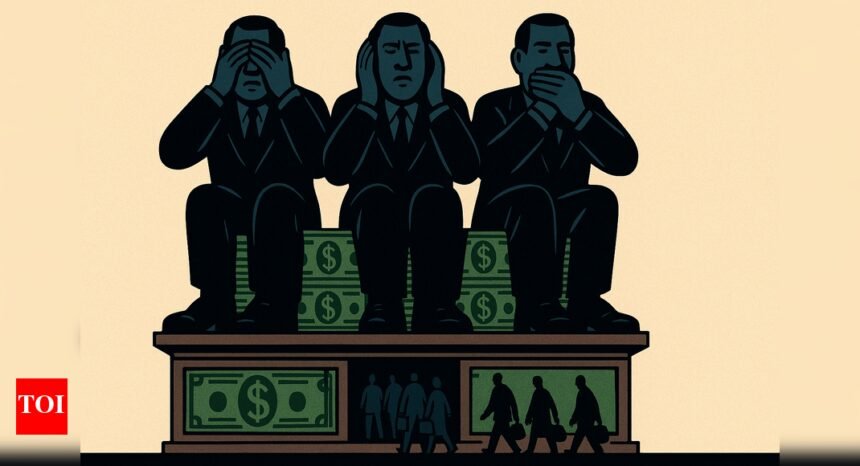
JPMorgan Chase, America’s biggest bank, kept Jeffrey Epstein as a prized client for more than a decade even after he was a convicted sex offender, processing over a billion dollars in transactions and repeatedly ignoring internal alarms about suspicious activity. Executives debated, compliance officers warned, yet the bank continued to provide him with loans, accounts for young women, and access to its global network. The arrangement ended only in 2013, long after multiple opportunities to cut him loose. A New York Times investigation, based on thousands of pages of bank records and depositions, now shows in painstaking detail how the quest for profit and connections outweighed red flags — and how little accountability followed.
JPMorgan’s global weight
JPMorgan is not just any bank. With nearly $4 trillion in assets and operations spanning more than 100 countries, it is consistently ranked as the world’s most systemically important financial institution. Regulators and investors alike see it as a bellwether for industry standards. This makes its failings more consequential than most: when the biggest US bank overlooks red flags, it risks signalling to peers that profit can trump compliance. As the New York Times investigation shows, that was precisely the dynamic at play with Epstein.
Epstein the “superclient”
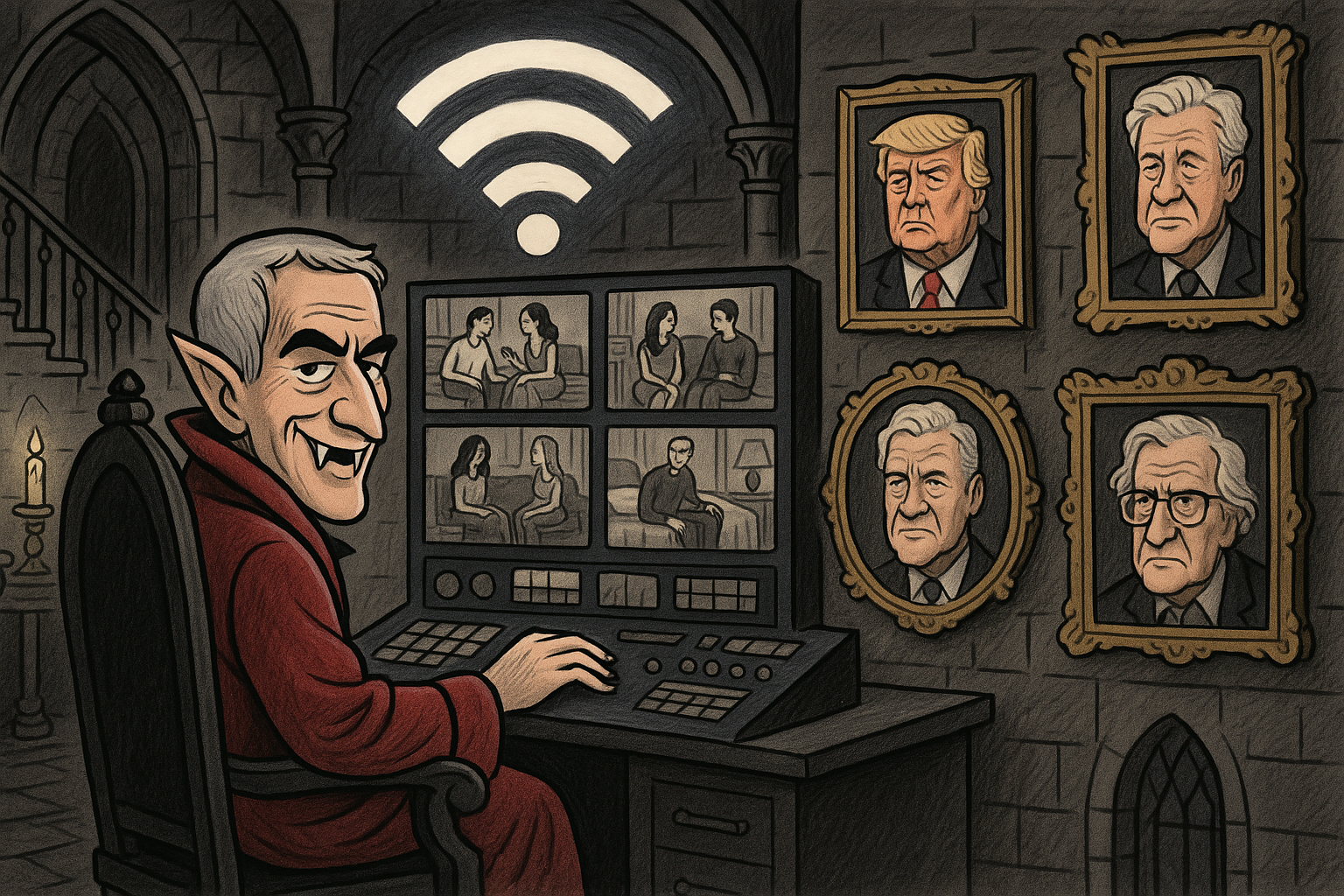
By the early 2000s, Epstein had become a “superclient” for JPMorgan. His accounts held more than $200 million, he was generating millions in annual fees, and he was delivering prized introductions. Most famously, he brokered the bank’s 2004 acquisition of Highbridge Capital Management, a $1.3 billion hedge fund purchase that remains a landmark deal in JPMorgan’s history. Epstein collected a $15 million fee for arranging it. The bank opened at least 134 accounts linked to Epstein, his companies and his associates, including Ghislaine Maxwell. Over the years, more than $1 billion flowed through those accounts.But alongside the profits came unmistakable red flags. Epstein regularly withdrew tens of thousands of dollars in cash each month, transferred large sums to young women, and asked for accounts to be set up with minimal verification. Compliance officers noted that these transactions matched classic patterns associated with human trafficking and exploitation. Yet, time and again, their warnings were dismissed.
Profits over principles
The fiercest defender of Epstein inside JPMorgan was Jes Staley, head of the bank’s private banking division and a close friend of Epstein. Staley not only vouched for Epstein personally but also kept up a steady backchannel of contact, at times leaking confidential bank information while receiving introductions to new wealthy clients in return. He once emailed colleagues that he would trust Epstein “with my life,” even “with my daughters.”On the other side were compliance chiefs like William Langford and general counsel Stephen Cutler, who argued Epstein should be exited. In 2011, Cutler wrote bluntly, “This is not an honorable person in any way. He should not be a client.” But when these disputes reached senior leadership, Epstein’s revenue potential won out. Between 2008 and 2013, at least four separate attempts to sever ties were overridden.
What did Dimon know?
A lingering question is how much JPMorgan’s chief executive Jamie Dimon knew. Dimon has testified under oath that he did not recall knowing Epstein was a client until 2019. Yet internal communications from 2008 referenced decisions pending “JD review,” raising doubts. As lawyer David Boies put it, either Dimon knew and misled, or his deputies kept him in the dark — “neither is good.”
Finally cutting ties
By 2013, JPMorgan was under regulatory pressure to tighten anti-money laundering controls. Epstein’s cash-heavy, high-risk transactions became too glaring to ignore. The bank finally closed his accounts, forcing him to transfer $176 million to Deutsche Bank. Even so, Epstein remained in occasional contact with JPMorgan bankers through mutual clients like Leon Black.When Epstein was arrested in 2019 and later died in jail, scrutiny turned to his financial enablers. In 2023, JPMorgan paid $290 million to Epstein’s victims and $75 million to the US Virgin Islands. For a bank that posted over $50 billion in annual profits that year, these were rounding errors. No executives lost their jobs.
What banks are expected to do
Banks are not passive vaults; under US law they are frontline defenders against money laundering and trafficking. Regulations like the Bank Secrecy Act require institutions to file suspicious activity reports whenever client behaviour suggests illicit activity. FinCEN, the Treasury’s financial crimes watchdog, has repeatedly told banks to treat human trafficking as a priority, flagging red indicators such as frequent cash withdrawals, payments to multiple young women, or international wires inconsistent with a client’s profile.JPMorgan’s staff recognised precisely these patterns in Epstein’s accounts. That their concerns were ignored highlights a deeper structural issue: compliance officers lacked the authority to overrule profit-driven executives.
Deutsche Bank’s turn
After JPMorgan cut him off, Deutsche Bank took Epstein on as a high-risk client in 2013. For five years, it too processed payments to young women and co-conspirators while overlooking hundreds of suspicious transactions. In 2020, New York regulators fined Deutsche Bank $150 million for “significant compliance failures” related to Epstein. By then, the reputational damage was done.Barclays, meanwhile, suffered collateral fallout through Jes Staley. His failure to be candid about his Epstein ties forced his resignation as CEO in 2021. Other financiers, like Apollo’s Leon Black, also paid hefty settlements to distance themselves from Epstein’s legacy.
A culture of impunity
The 2000s and early 2010s provided the backdrop that allowed Epstein’s banking relationships to persist. In 2008, Epstein secured a secret plea deal that let him serve just 13 months in a county jail, much of it on work release. Many elites treated this as a forgivable blemish. Epstein continued to move in high society, hosting dinners attended by princes, presidents, and professors.At the time, public scrutiny of sex trafficking and systemic abuse of power was limited. The #MeToo movement was still nearly a decade away. Without loud public pressure, institutions like JPMorgan could rationalise that they were simply handling a wealthy client’s money, not enabling his crimes. Only later, when survivors’ voices became central and investigative journalism reignited outrage, did the full extent of complicity come into focus.
Governance and accountability gaps
The broader lesson is about governance. JPMorgan’s case illustrates how reputational risk can be treated as secondary to financial gain. Compliance officers raised red flags, but without strong backing from the top, their warnings were toothless. Critics argue that boards must treat reputational risk with the same seriousness as credit or market risk, and that CEOs must set a clear “tone at the top” that some clients are simply not worth the money.Shareholders have also taken note. In 2023, 38% of JPMorgan investors voted to split the roles of chairman and CEO — both held by Dimon — to strengthen oversight. The vote did not pass, but it signalled growing impatience with unchecked executive power.
Why this matters now
The Epstein-JPMorgan affair is not just history. Human trafficking remains a $150 billion global industry. Banks are uniquely positioned to disrupt it — or to enable it. If compliance warnings can be overruled whenever profits beckon, traffickers will always find financial havens.Settlements have forced JPMorgan and Deutsche Bank to fund anti-trafficking initiatives, but the larger deterrent will be cultural change within finance: empowering compliance, holding executives personally accountable, and recognising that reputational damage can dwarf any client’s fees.Strip away the mystique, and this case is depressingly ordinary: a powerful bank seduced by a powerful client, ignoring exactly the warning signs it was trained to catch. The legal chapter may be closed, but the compliance lesson remains urgent. The question now is whether other banks are truly listening — or whether the profits will prove, once again, too tempting to resist.

