They are everywhere.
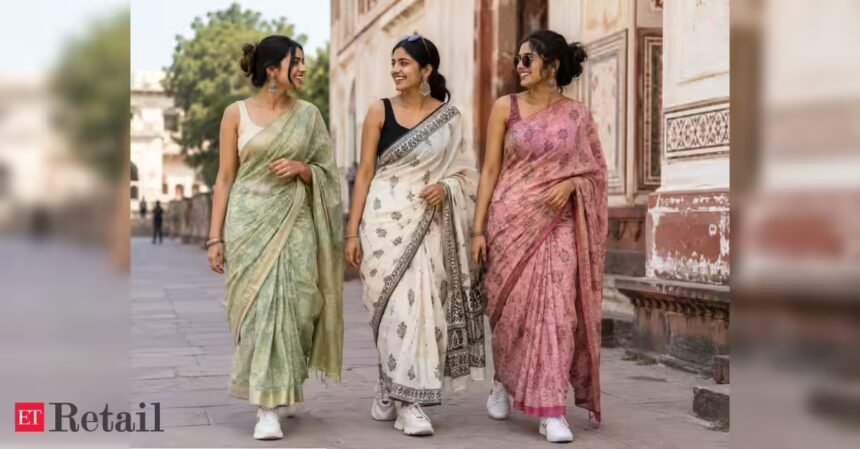
At work. In airports. Paired with sarees. Worn with formals.
“Sneakers stopped being utilitarian. Today, they’re fashion,” says Comet’s co-founder Utkarsh Gupta.
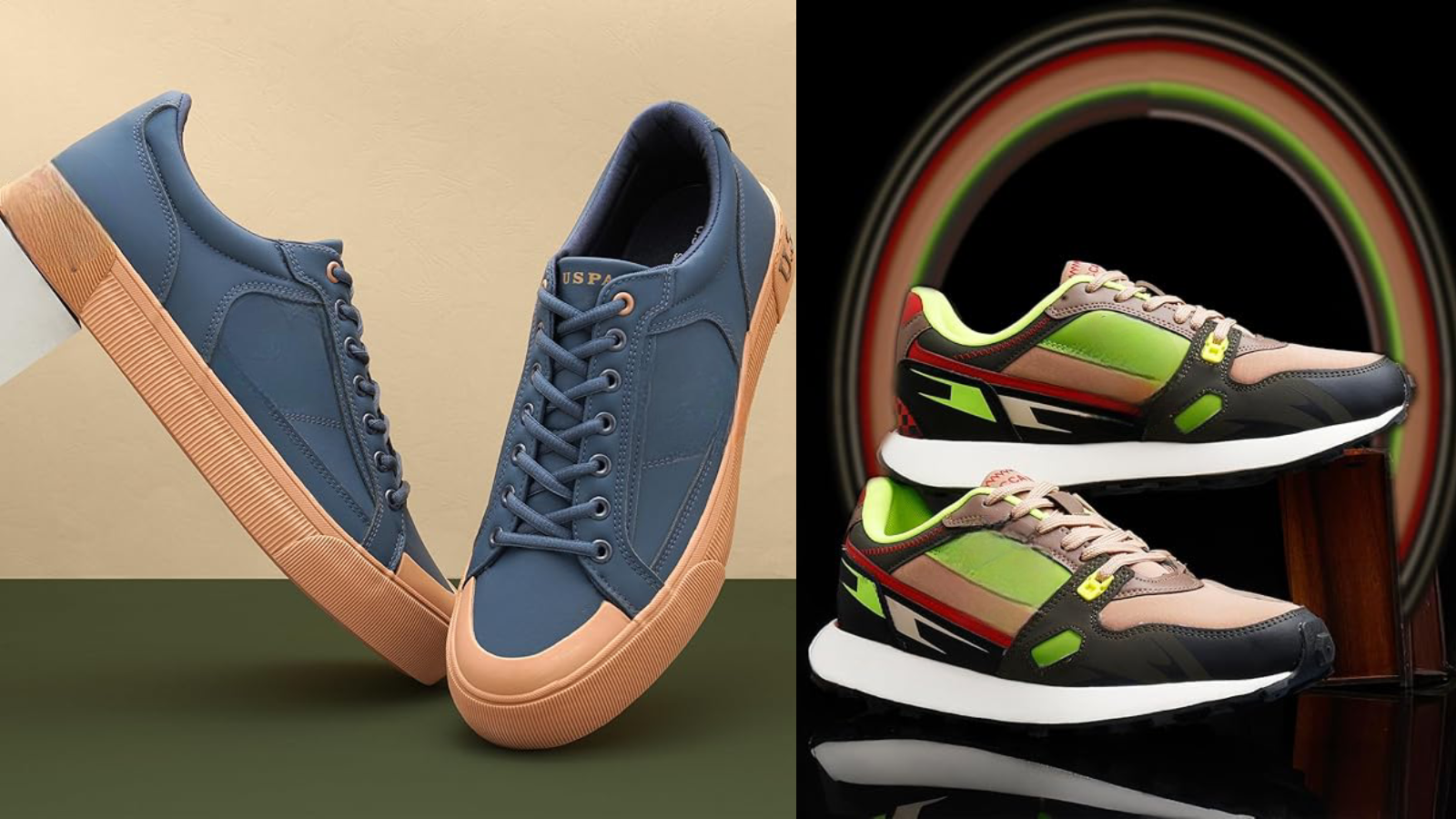
A footwear originally built for athletics, the sneaker has evolved into the shoe of choice, led by comfort, identity and lifestyle. Indian brands are vying for your feet, and wallet share. Their claim: better products at a competitive price point, of cultural relevance, and with a ‘Made in India’ tag.
A decade ago, sneakers from global brands were making their way into India at eye-watering prices through third-party resellers. Early homegrown innovators were quick to carve out their niche. The attraction for athleisure following the Covid-19 reset only sped up its growth. The result: from Comet to Gully Labs, One8, and TenXYou, at least half a dozen names are disrupting the space now, powered by direct-to-consumer sales. In metros, it is not uncommon today to spot a pair.
“After the pandemic, the black formal shoe died a death,” says Gully Labs’ cofounder Arjun Singh. Offices no longer look like they did 20 years ago.
Brands have identified an unclaimed space in this category – the sweet spot of mass premium, or ‘masstige’. “At ₹2,500, sneakers are commoditised. At ₹7,000-plus, the market is too small. There are enough players occupying both spaces,” says Gupta.
A fragmented footwear market in India is being reshaped by a move away from cheap and basic to stylish, highervalue products. Sneakers selling at ₹5,000 sit at the centre of this change.
“After Covid-19, there was a shift towards sneakers. It shows higher growth compared to the mass category,” says Vincent K A, senior research analyst, Geojit Investments, who tracks listed footwear companies. Mass-market recovery has remained sluggish. “There is a clear premiumisation trend with the ₹3,000 –7,000 band gaining traction. Tier-2 cities are contributing meaningfully to premium sneaker growth,” he says.
The e-commerce marketplace Myntra has been witnessing this. “Our sneaker category is seeing strong growth in demand in the first quarter of 2026, led by Gen Z and millennial audiences,” says Ritesh Mishra, head of revenue and category, Myntra. Mass premium is among the fastest growing segments when it comes to sneakers, he says.
Consumers may be ready to shell out ₹4,000–5,000 for a pair of sneakers, but cracking this segment’s code for scale is a different ball game. While trust is a given for global names, homegrown brands must earn it.
“Trust today is shaped by how consistently a brand delivers. The benchmarks of quality, comfort, durability, and aftersales experience are universal. Consumers evaluate every brand through the same lens,” says Nikhil Aggarwal, CEO, Campus Activewear, a listed footwear company.
Indigenous brands say consumers expect ₹15,000-level trust signals at a ₹5,000price a ₹5,000price a ₹5,000price point. “The onus on a homegrown brand is 5 –10x higher than on global names,” says Gupta.
Nike India and Puma India declined to respond ds a a nd to Brand Equity ’s queries.
Parthive Manojkumar Nair (23), an MBA student and a sneaker enthusiast, says while global labels still dominate mindshare, local players are gaining traction on value. However, trust remains a hurdle. “They don’t need to make big changes to their design. They just need to gain the trust of their target audience.” Good old celebrity marketing will do the trick, he adds.
There is a structural reason for the difficulty in gaining trust in this segment. Making sneakers requi res tech nique a nd technology. India, traditionally a leather-shoe exporter, lacks the manufacturing know-how. The country has factories for making shoes under ₹2,000; captive factories of global brands producing sneakers for export; and export-grade leather shoe factories with limited sneaker lines. Many upcoming brands are tapping into the last category. Gully Labs, for instance, has set up a factory in Noida to produce 300 pairs of sneakers a day. But it also leases lines with captive units to boost production. “They do the time-consuming parts of shoemaking for us, and we finish up in our factories,” says Singh.
New, local brands have disrupted the sneaker market, but Harminder Sahni, founder of Wazir Advisors, offers a guarded view: “It is too early to tell whether any of them will hit ₹1,000 crore in annual revenue. a “I t o ₹a Most build brands of ₹100– 300 crore, sell them off, make some money and get out.”
Rohit Anand, founder of Craft & Glory, a premium leather footwear brand that has diversified into sneakers, says most mid-priced, design-led labels are being built around speed – they boast of quick design cycles, trend adaptation, and price competitiveness. “They respond well to the market, but they’re not building long-term product value.”
India’s sneaker revolution is underway, but we face a paradox. While people are willing to buy and brands ready to compete, the trust bridge is still under construction.