
Luxury house Prada SpA may be enjoying the buzz around The Devil Wears Prada 2, but it has walked into fresh controversy in India. The brand’s missteps show how foreign firms need to tread carefully when dealing with questions of identity and cultural appropriation in one of the world’s largest retail markets.
No one likes their heritage repackaged without acknowledgement. But neither Prada nor India’s outraged digital army is confronting the real problem: Why the country’s traditional products remain so poorly protected, while a disproportionate share of the profits flows elsewhere. Fixing that will require more than rage.
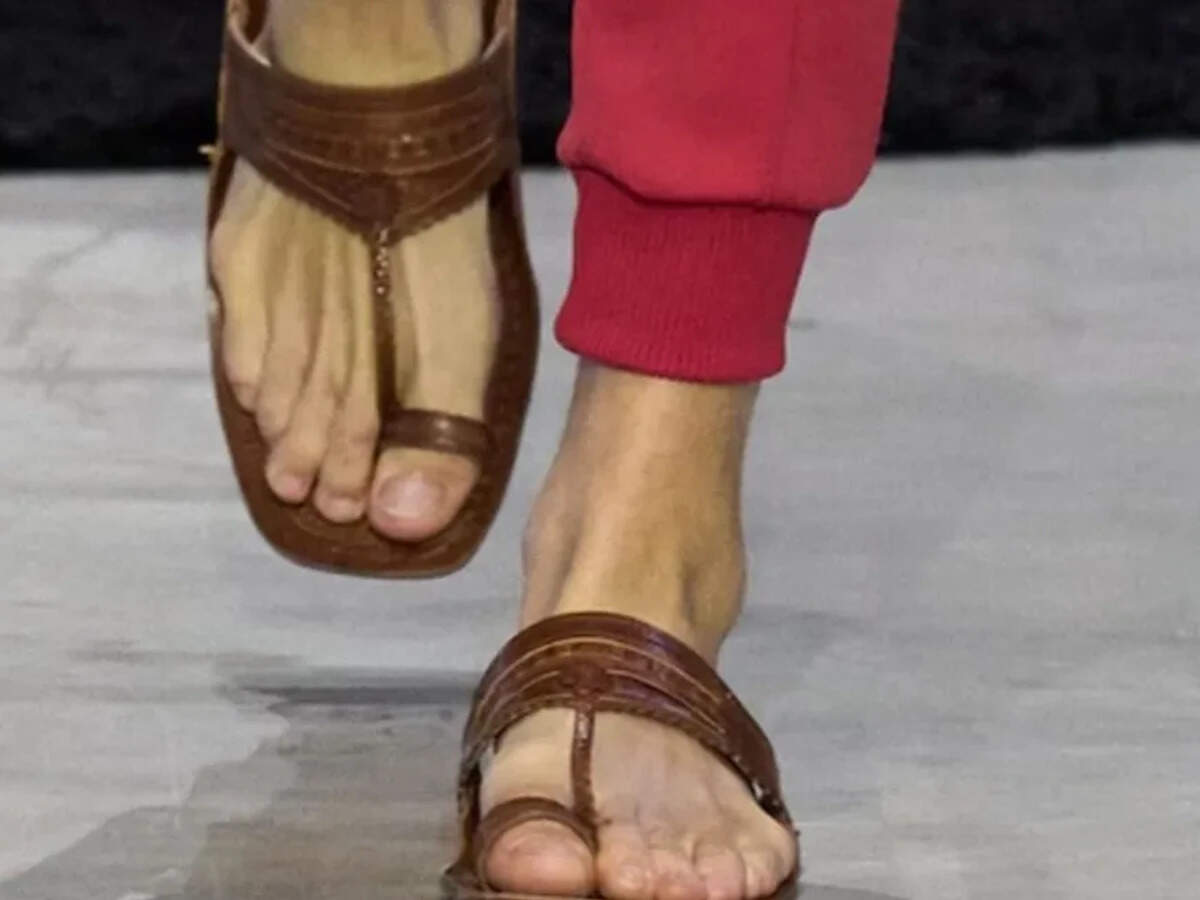
At the heart of the issue is the humble Kolhapuri chappal, a type of leather footwear handcrafted by artisans for centuries and a staple in Indian wardrobes (your columnist owns several). Last year, Prada triggered widespread backlash when near-identical sandals appeared on a Milan runway without an explicit nod to their origin. The indignation was justified, as I argued at the time, because appropriation without credit is not inspiration — it’s copying.
A year on, Prada has learned a few lessons. This time, its limited-edition collection is made in India and “inspired” by the Kolhapuris. The sandals are developed in collaboration with state-backed industry bodies and paired with a three-year training program aimed at upgrading artisans’ technical and design skills. Still, the Italian label’s footwear reportedly comes with a hefty price tag — around $900 a pair — compared with traditional Kolhapuris that retail for as little as $10 to $30.
A better move may have been to scrap the idea altogether. This was meant to be an apology tour. Instead, the carefully curated marketing campaign looks less like remorse and more like damage control, aimed at the wallets of the well-heeled rather than the concerns of those it seeks to placate. Online, the reaction has been scathing. “This isn’t inspired by the Kolhapuri. This is the Kolhapuri,” wrote one user. Another dismissed it as “Colonial BS.”
India’s heritage products still struggle to secure the kind of legal protection routinely afforded to Western goods. The country has granted Kolhapuri chappals Geographical Indication status in 2019, a certification linking a product to its region of origin, much like Champagne in France or Parmigiano-Reggiano in Italy. (Misuse of a protected name like Champagne, for instance, can trigger legal action in many jurisdictions.)
Yet global rules often offer stronger protection to international products like wines and spirits because of the special categories they fall into. This makes them far easier to defend legally than traditional handicrafts like Indian leather sandals that don’t have similar safeguards.
Enforcement by powerful industry bodies helps. Champagne’s global protection is backed by The Comité Champagne. India’s GI mechanism, by contrast, lacks the same level of coordination or clout. While the country has bestowed more than 400 GI tags on local products — from Darjeeling tea to Kanchipuram silk — many still struggle to translate that recognition into economic value.
In many ways, Indians have allowed this to happen, notes fashion journalist and author Sujata Assomull. “There was a time when we were simply excited to see the West take inspiration from India,” she told me. “But India is more aware of its value now and consumers are asking questions. That’s why these moments feel more charged now.”
So when turmeric “golden milk” lattes appear in Starbucks, or ornate, jhumka-inspired earrings show up in global fashion collections, the reaction is swift. But the danger is in letting cultural pride tip into performative outrage. If Prada is short on new ideas, the backlash is also beginning to feel recycled. Lost in the debate over colonialism and appropriation are the artisans and the crafts themselves, and how they should be compensated or protected.
Rather than another round of digital fury, the focus should shift to building stronger systems of enforcement. That means funding legal efforts at home and abroad, strengthening industry bodies, and ensuring that collaborations with global brands include binding terms on attribution and revenue-sharing — not just well-intentioned but ultimately limited training programs.
As the saying goes, fashion changes, but style endures. These days, outrage seems to endure just as well. Until the underlying economics shift, both will keep coming back in season.
Views expressed here are the author’s own, and not EconomicTimes.com’s