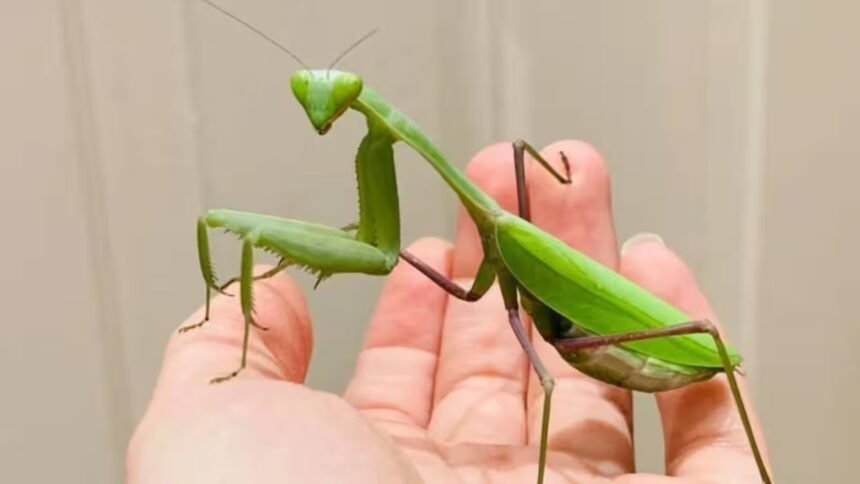
Two giant Asian praying mantis species are rapidly spreading across Europe, leading scientists to officially classify them as invasive threats to native wildlife.These fast-breeding predators are steadily moving north, helped by rising global temperatures and the warm conditions created by cities. Researchers warn that the insects are aggressively hunting important native pollinators like honeybees, protected small animals such as lizards and tree frogs, and even Europe’s own native mantis species through deadly mating encounters.The official classification of the two species, Hierodula tenuidentata and Hierodula patellifera, as Invasive Alien Species comes from a new study published in the open-access Journal of Orthoptera Research. Led by Roberto Battiston of the “G. Zannato” Museum of Archaeology and Natural Sciences, the study reveals a highly successful ecological invasion that had received little scientific attention until now.
Climate change drives northward spread
Although these insects have been present in Europe for about a decade, their numbers have increased sharply in recent years across both mainland Europe and the Mediterranean region. Warmer city environments and overall climate change are allowing them to spread into areas that were once too cold for them to survive.“They are pushing increasingly further north, thanks to climate change,” Battiston said, adding that people are now regularly spotting established populations in parks and gardens. Because these mantises are large, colourful and eye-catching, many people see them as an interesting garden insect instead of a possible environmental threat.“This study was born to give people those answers and to develop strategies to contain them,” Battiston added.
Fast breeding gives them an advantage
The success of these Asian mantises comes from their ability to adapt and their extremely high breeding rate. Both species spend most of their lives hidden in trees and bushes, where they are highly effective hunters.A single egg case laid by an invasive female produces about 200 young. This is almost twice as many as the native European mantis, Mantis religiosa. The young invasive mantises are also much less likely to eat each other than native species, allowing far more of them to survive to adulthood.This rapid population growth is becoming a serious threat to local wildlife. Large invasive females release pheromones that attract native male European mantises. When the native males try to mate with them, they are often caught and eaten, reducing the breeding population of the native species.The invasive mantises also hunt many other animals. They feed on important pollinators such as honeybees and pose a serious risk to protected small animals like tree frogs and lizards. Researchers said this is especially worrying for Mediterranean islands, which are home to many unique plant and animal species found nowhere else in the world.
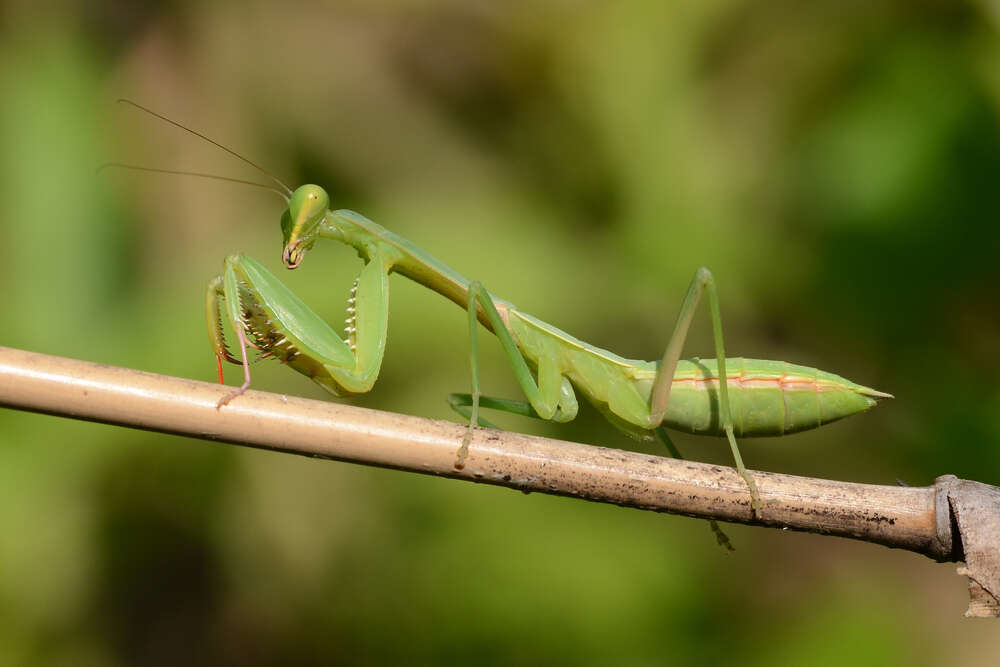
Two Asian praying mantises are spreading across Europe, and scientists warn they may now threaten native wildlife
How cities and domestic cats are involved
Human-built cities have accidentally created ideal conditions for these invasive insects. Urban areas produce extra warmth, known as the urban heat island effect, allowing the mantises to stay active and hunt much later into autumn and winter than they normally would.In addition, insect hotels built to support native insects are now being used by Hierodula mantises as excellent hunting spots.The study also found an unexpected link with domestic cats. Data showed that free-roaming cats are the main vertebrate predators of these invasive mantises, making up 45 per cent of all recorded successful attacks on them.However, cats do not solve the problem. They cannot tell the difference between invasive Asian mantises and native European mantises. As a result, they also kill native mantises, which are already under pressure from growing competition in suburban areas.
Looking for egg cases during winter
To monitor and slow the spread of these insects, the researchers asked the public to help through a large citizen science project.“My colleagues William di Pietro and Antonio Fasano (GRIO) have managed to set up a huge citizen science project and collect over 2,300 reports from enthusiasts and citizens,” Battiston said. “Citizen science is a fundamental tool not only for monitoring but also for raising awareness and informing people in an active and participatory way about these issues.”Environmental groups say people can help during winter, when trees and shrubs lose their leaves. Without the leaves, the mantis egg cases, called oothecae, become much easier to spot on bare branches. These brown, sponge-like egg cases usually measure about 2 to 3 centimetres.Although these egg cases can be safely removed to prevent new mantises from hatching in spring, Battiston warned that people should first ask an expert to identify the species. This helps ensure they do not accidentally destroy the eggs of Europe’s already struggling native mantis species.