New Delhi: India is currently exporting textile products from 550 districts, and the government’s export diversification strategy has helped the sector remain resilient despite global uncertainty, Union Textiles Minister Giriraj Singh said on Tuesday.
Inaugurating India’s largest global textile event, Bharat Tex 2026, the minister said India’s strategy to target 40 key nations for export diversification helped its textiles sector register sustained export growth despite global uncertainty.
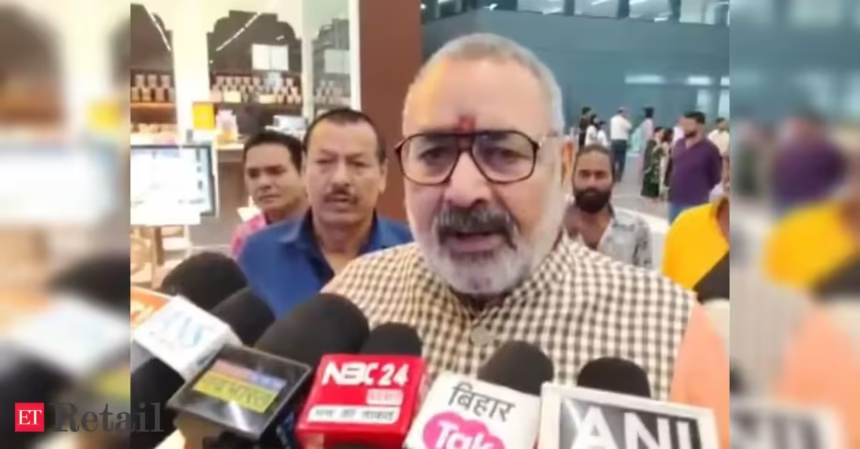
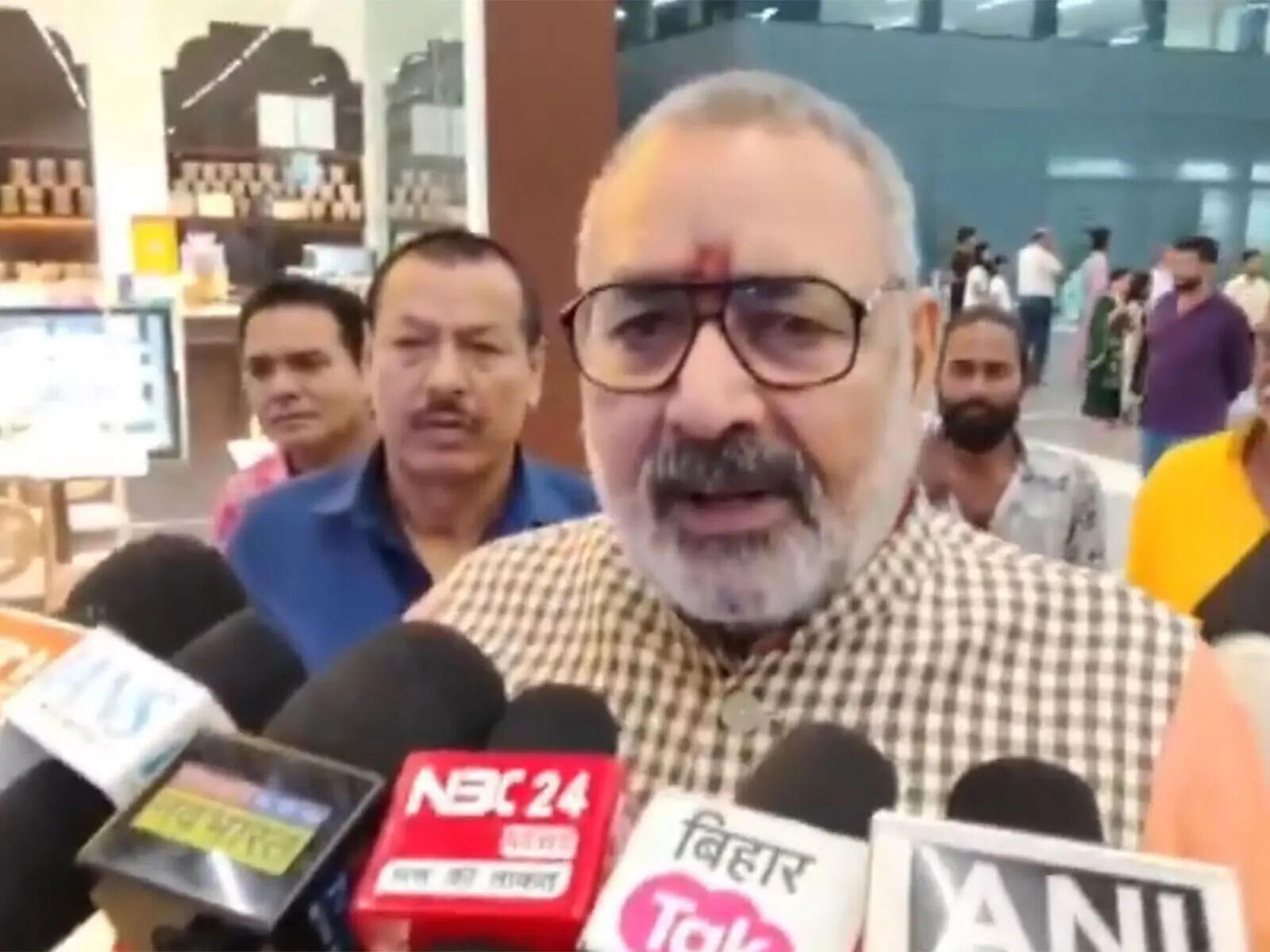
“Buyers from 130 countries have come. We are in the process of negotiating FTAs with various nations; some are underway while others have been signed. This shows we are ready to compete globally,” Singh told reporters on the sidelines of the event.
As many as 130 countries are participating in the third edition of Bharat Tex 2026, including the US, UK, Japan, Russia, South Africa, UAE and Bangladesh, among others.
The wide participation in Bharat Tex 2026 underscores India’s growing global presence in the textiles sector amid the government’s push for free trade agreements (FTAs), export diversification and ease of doing business reforms, Singh said.
“Led by Prime Minister Narendra Modi, we have identified 40 nations for export diversification which we are working on; therefore, India’s textiles exports did not suffer much despite global uncertainty,” he said.
According to Singh, over 90 per cent of the exhibitors at Bharat Tex 2026 are micro, small and medium enterprises (MSMEs), reflecting the sector’s broad-based participation.
He said global textile imports are estimated at around USD 900 billion and noted that the Narendra Modi-led government has signed FTAs with major textile-importing nations while negotiations for similar pacts with several other countries are underway.
The minister said the event is drawing investor interest in addition to overseas buyers.
Asked what message he will convey to global textile buyers looking to diversify beyond China, Singh said, “I have a meeting with them. This time not only buyers are coming here but also investors”.
The minister highlighted that several textile manufacturing clusters such as Tiruppur, Surat, Ichalkaranji, Panipat and Ludhiana are gaining prominence, aided by improvements in the ease of doing business. He also noted that the government has waived the import duty on cotton till October.
Highlighting the sector’s growth ambitions, the minister said India aims to build a USD 350 billion textile market by 2030, comprising USD 100 billion in exports and a USD 250 billion domestic market.
He said the domestic textile market has expanded from USD 138 billion when the present government assumed office to around USD 190 billion currently.