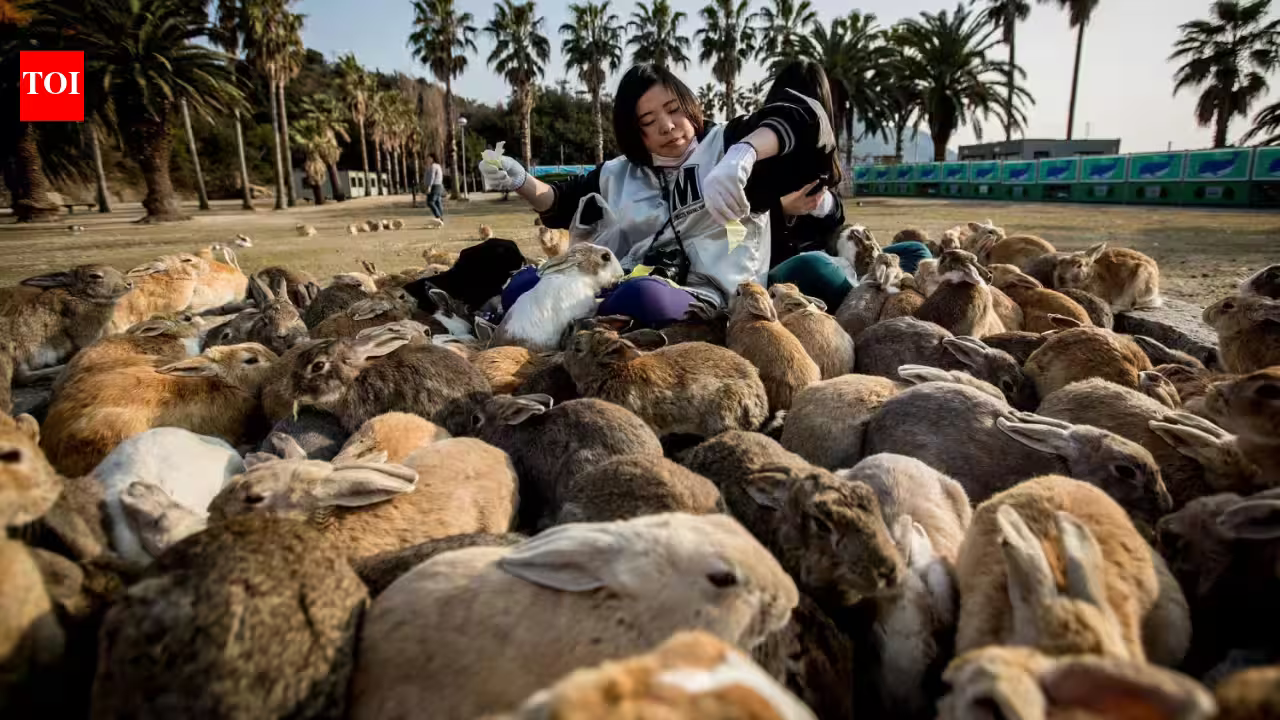
Unregulated tourist feeding has pushed Japan’s famous “Rabbit Island” past its natural ecological limits, stripping local plant life bare and causing wild boars to hunt live rabbits.On Okunoshima, an island in Hiroshima Prefecture, heavy feeding by visitors has driven rabbit numbers far beyond what the local environment can naturally support. According to a study published in the Journal of Ecotourism on July 29, 2026, this constant stream of food is reshaping local animal behaviour and causing widespread environmental damage.The study was written by Shingo Kaneko, a professor in the Faculty of Symbiotic Systems Science and Engineering at Fukushima University, alongside co-author Asami Ogura, an associate professor at the National Institute of Technology (KOSEN), Kure College, in collaboration with researchers from Kobe College. The project began after creators of the children’s picture book Usagi no Shima (Rabbit Island) asked the team to investigate the origins of the animals and check on local wildlife health.
Wild boars adapt to hunt live prey
The extra food brought by tourists has altered how different animal species interact across the small island. Researchers observed wild boars eating leftover rabbit food, scavenging dead rabbits, and trying to catch live ones.“When we first heard that a wild boar had preyed on a live rabbit, we were surprised,” Kaneko said. “Wild boars are known to scavenge animal carcasses, but they are not generally regarded as animals that actively hunt live prey.”Fieldwork revealed that wild boars, rabbits, and humans were constantly crossing paths.“At the same time, during our fieldwork, we were struck by how closely wild boars, rabbits and humans were interacting on the island. Within this isolated environment, events unlike those we usually observe elsewhere appeared to be occurring throughout the island,” Kaneko explained.Researchers suggest several things are happening at once. Leftover food draws boars directly into areas packed with rabbits. Having so many rabbits in one spot leads to more dead rabbits and constant face-to-face encounters between the two species, driving unusual hunting habits.
Plants stripped to the ground
The rabbits on Okunoshima are not native Japanese hares. They are European domestic rabbits that were brought to the island, established a population, and multiplied.Their numbers rely heavily on human handouts. Before the COVID-19 pandemic, rabbit numbers surged due to heavy tourism, but dropped quickly when travel fell during lockdowns.This artificially high population has damaged the island’s plants. Overeating has created a clear “rabbit line” across the landscape, where low-growing bushes and lower tree branches have been completely eaten away.
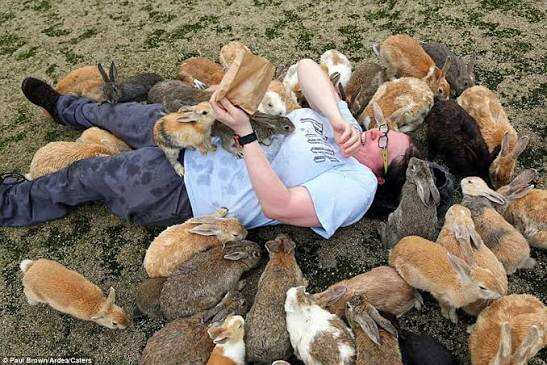
Ōkunoshima, otherwise known as the “rabbit island” in Japan, attracts visitors worldwide who wish to get real friendly with the local bunnies that roam the island.
Food scraps draw scavengers
The ecological damage goes beyond rabbits and boars. Scavenger birds like crows and black kites have also gathered around feeding spots to eat leftover scraps and animal remains, changing the wider local ecosystem.The researchers pointed out that their findings do not mean wildlife tourism should be banned. Instead, they argue that feeding needs clear rules and active monitoring to stop further damage.The authors recommend setting up a long-term plan for Okunoshima. Key steps include controlling feeding practices and food sales, tracking rabbit numbers, helping plants recover, and studying how other animals are affected.The researchers suggest that local communities, tourism businesses, scientists, and government agencies must work together to protect both local wildlife and the island’s environment.
History and the legacy of poison gas
Long before it became famous for its friendly rabbits, Okunoshima carried a much darker name: “Poison Gas Island.” During the Second World War, the Japanese imperial military erased the island from official maps to build a secret factory that produced over six thousand tonnes of mustard gas and tear gas.After the war, Allied forces destroyed the chemical plants and buried or dumped the remaining chemical weapons. The island was later turned into a national park, and the Okunoshima Poison Gas Museum opened in 1988 to educate visitors about the site’s wartime history.
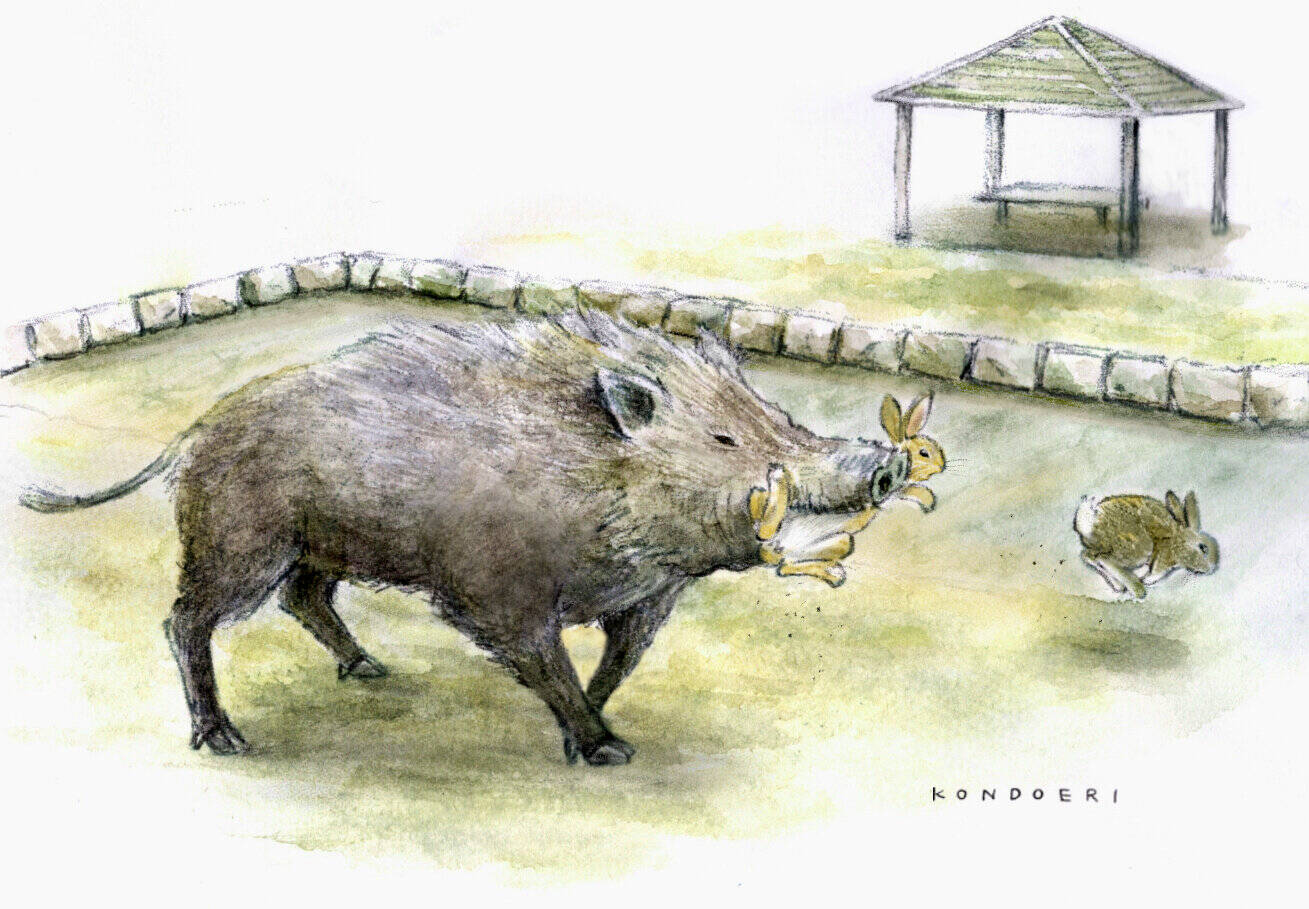
The hidden consequences of unregulated feeding of rabbits on Okunoshima island
How domestic rabbits took over
The origin of the current rabbit population remains a point of local debate. One popular belief suggests that eight rabbits were released by local school children in 1971. Another theory holds that the current animals are descendants of test rabbits used in the wartime poison gas laboratories, though genetic studies indicate they are domestic European rabbits introduced much later.Because the entire island is designated as a protected park zone, predators such as dogs and cats are strictly banned. Without natural hunters or traffic hazards, the introduced rabbits multiplied rapidly, growing from a small group into a population that numbered over one thousand animals at its peak before recent travel drops.