Asian Footwears is targeting at least 25 per cent revenue growth in FY27 after reporting a topline of around Rs 700 crore in FY26, as the 30-year-old footwear brand invests around Rs 100 crore in a new manufacturing facility and accelerates its exclusive retail expansion to 150 stores.
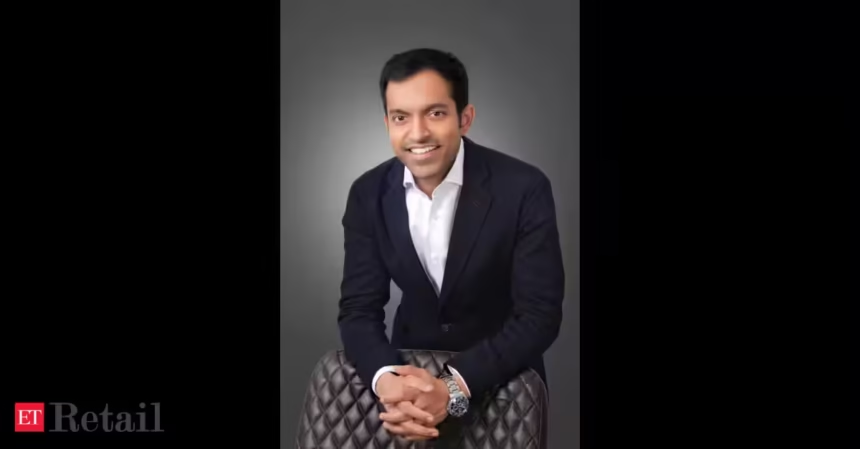
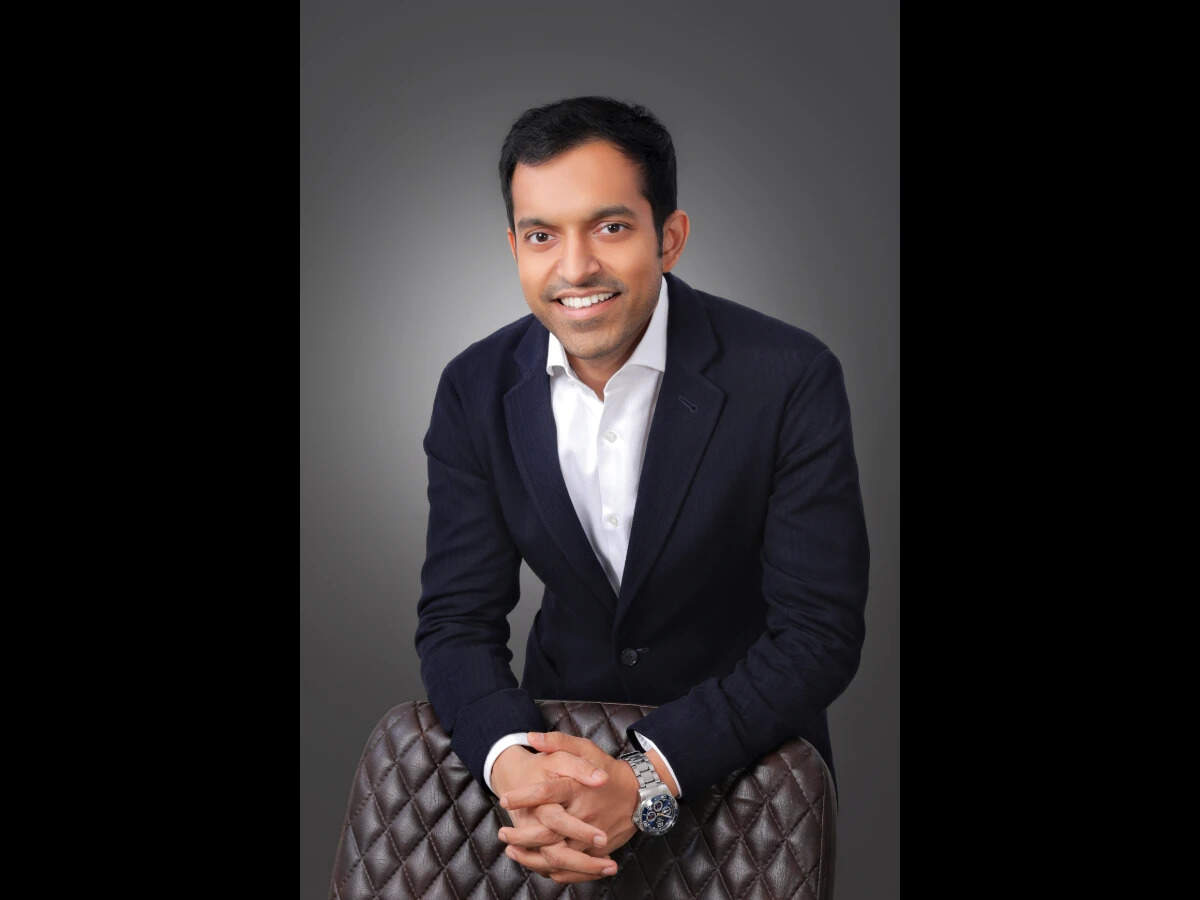
“We are looking at growing at least 25 per cent this year. The following year, we are aiming for around 25-30 per cent year-on-year growth,” said Aayush Jindal, CEO, Asian Footwears, in an interaction with ETRetail.
The company, which manufactures around 15 lakh pairs of footwear per month across 12 manufacturing units, is setting up a mega facility at the Bahadurgarh Footwear Park in Haryana. Expected to become operational by January 2027, the plant will add capacity of approximately 14 lakh pairs per month.
The project involves an investment of around Rs 70-80 crore, excluding machinery, taking the overall outlay to approximately Rs 100 crore. Asian Footwears is also developing smaller shoe-upper manufacturing facilities at the same park, involving another Rs 15-20 crore investment and adding capacity of around 2 lakh pairs per month.
The expansion of manufacturing unit is aimed at supporting the company’s growth over the next two to two-and-a-half years. The new facility is being developed as a modern, export-oriented manufacturing setup, while the shoe-upper units will incorporate automation across material cutting, marking and stitching.
On the retail front, Asian Footwears has crossed 100 exclusive brand outlets (EBOs), of which around 70 are company-owned and operated and 30 are franchise-run. It is targeting 150 stores by the end of FY27 and plans to add approximately 100 stores in FY28.
“We have recently crossed the 100-store milestone, which is a new milestone for us. We are looking at expanding across the country,” Jindal said.
The company is looking beyond its established North Indian markets, with Maharashtra and Gujarat among its focus markets, while also building its presence in South India. Its typical EBO spans 800-1,000 sq. ft., with an estimated capex of around Rs 15 lakh, apart from Rs 15-20 lakh required for inventory.
Currently, Asian Footwears operates in the sports and casual footwear segments for men and women, with a children’s range also in development. The brand has MS Dhoni as its ambassador, while Motilal Oswal Private Equity is an investor.
The company maintains a healthy double-digit EBITDA profile, according to Jindal, and is funding its manufacturing expansion through a combination of private-equity capital, working-capital facilities and long-term borrowings. It raised private equity in 2022 primarily to support capacity expansion and is working towards an IPO around 2029, subject to business performance.
Asian Footwears has a 50:50 online-offline sales mix and is present across more than 30,000 multi-brand outlets nationally. It is also scaling Asian Flash, its in-house quick-commerce initiative, which enables customers within a 5-7 km radius of its showrooms to receive footwear in around 30-60 minutes.
The service currently accounts for approximately 10 per cent of orders, according to Jindal, and could eventually contribute 20-25 per cent of EBO business. To address one of the biggest challenges in online footwear sales, delivery executives can carry an additional size so customers can try both options at home.
“Comfort, durability and the right fit are central to our approach. We want to educate consumers about choosing the right footwear for the right purpose,” Jindal said.
Running and sports footwear remain key categories for the company, with its Hypercushion range, featuring ETPU technology and priced at around Rs 2,500, among its fastest-moving product lines.
The company is also using technology to improve inventory planning across its distribution network. Its recently launched AsianGPT tool, trained on 10-12 years of e-commerce order data, analyses SKU, design and colour preferences across cities and pin codes to help retailers and distributors make more informed stocking decisions.
According to Jindal, retailers using the tool have reported a reduction of around 15-20 per cent in average inventory holding days, alongside improved throughput from existing stock. The company is looking to use AI and automation to strengthen both manufacturing efficiency and retail execution as it scales.