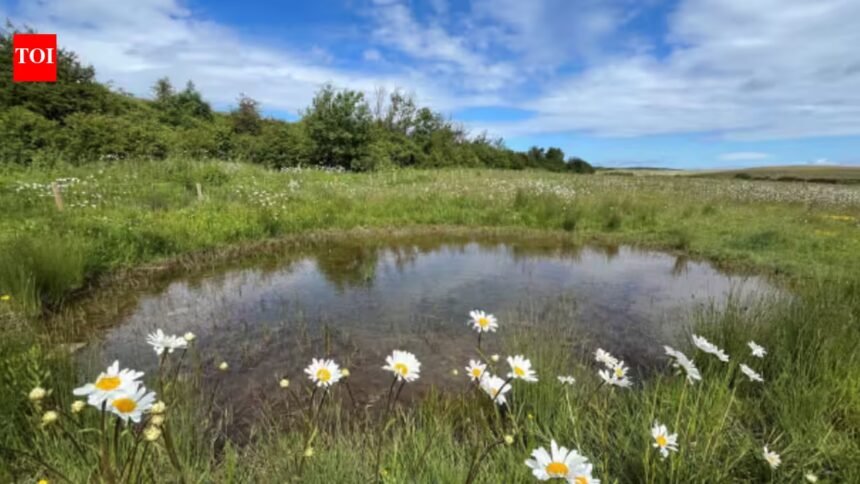
A £25 million conservation programme has helped restore thousands of hectares of habitat across England, plant more than 127,500 trees and bring tens of thousands of people into nature-focused activities. According to a final independent evaluation published by The National Lottery Heritage Fund on October 5, 2026, the Species Survival Fund exceeded its original habitat target by almost 30%, highlighting the potential of targeted investment to support wildlife and strengthen local conservation efforts. The programme was launched in 2023 and delivered by The National Lottery Heritage Fund on behalf of the Department for Environment, Food and Rural Affairs (Defra). It supported 20 projects across England, with initiatives ranging from woodland creation and wetland restoration to the recovery of rivers and coastal landscapes. Together, the projects delivered habitat improvements across 4,800 hectares, an area comparable to the size of Bath or approximately 6,700 football pitches. The evaluation also recorded 3,596 habitat and species surveys, providing additional information to help conservation organisations understand local ecosystems and plan future restoration work.
How the projects supported wildlife
The programme’s impact extended beyond the number of trees planted or hectares improved. Several projects focused on reconnecting fragmented habitats, helping wildlife move between areas and creating better conditions for species to feed, breed and establish populations.In County Durham, the Durham Heritage Coast Partnership created Tina’s Haven, a 34-hectare nature reserve that combines habitat restoration with a community-focused approach to wellbeing. The former agricultural land has been transformed through woodland, grassland and wetland creation, including the planting of approximately 21,000 trees.The reserve also strengthens a wider coastal habitat corridor between Seaham and Horden. Developed in memory of Tina Robson, who died following struggles with trauma-based addiction, the site provides a place for women affected by addiction, trauma and social isolation to connect with nature.Elsewhere, the Royal Society for the Protection of Birds worked across 10 reserves and partner sites to restore coastal and wetland habitats. Its work included improving grazing marshes, reconnecting landscapes and creating conditions that support breeding birds. Early signs of wildlife returning to restored areas included lapwings and terns using newly created islands and improved wetlands. While these observations offer encouraging evidence, longer-term monitoring will be needed to establish how populations respond over time.In Hertfordshire, the Hertfordshire and Middlesex Wildlife Trust also restored chalk rivers at five sites. Measures included reshaping riverbanks, adding woody habitat, creating a nesting bank for kingfishers and removing barriers to fish movement. The project reported brown trout spawning on newly created gravel beds and water voles returning to locations where they had been absent for almost two decades.
Local communities played a central role
The evaluation found that the programme also helped people develop stronger connections with their local environment. More than 51,000 people participated in events and activities, while over 13,000 volunteers contributed to the projects. Nearly 3,900 of those volunteers were taking part in volunteering for the first time. At Bucklebury Common in the North Wessex Downs National Landscape, conservation grazing offered an example of how community involvement can support habitat management. Local residents volunteered as cattle watchers, keeping an eye on a herd of 10 Belted Galloway heifers introduced to help restore rare heathland and wood pasture.The arrangement allowed residents to share observations with the ranger while supporting a conservation technique designed to manage vegetation and maintain valuable habitats. Such initiatives demonstrate how nature recovery can involve more than specialist organisations. Local knowledge, volunteering and public participation can help conservation projects remain connected to the communities surrounding them.
Investment in skills and future conservation
The Species Survival Fund also supported employment and training within the environmental sector. The evaluation recorded 197 roles created or retained, including 19 traineeships and eight apprenticeships. More than 3,000 staff and volunteers received training, and over 600 qualifications were achieved. The findings could help shape future nature-recovery funding by identifying which restoration approaches deliver the strongest results and how partnerships can continue beyond the end of individual grants.The programme’s achievements offer encouraging evidence of what coordinated investment can accomplish in two years. However, restoring habitats is only one step towards reversing wildlife decline. Maintaining these landscapes, monitoring species populations and ensuring newly connected habitats remain healthy will be essential to securing lasting gains. For England’s conservation organisations and the communities involved, the next challenge is to turn the progress recorded by the Species Survival Fund into long-term improvements for nature.