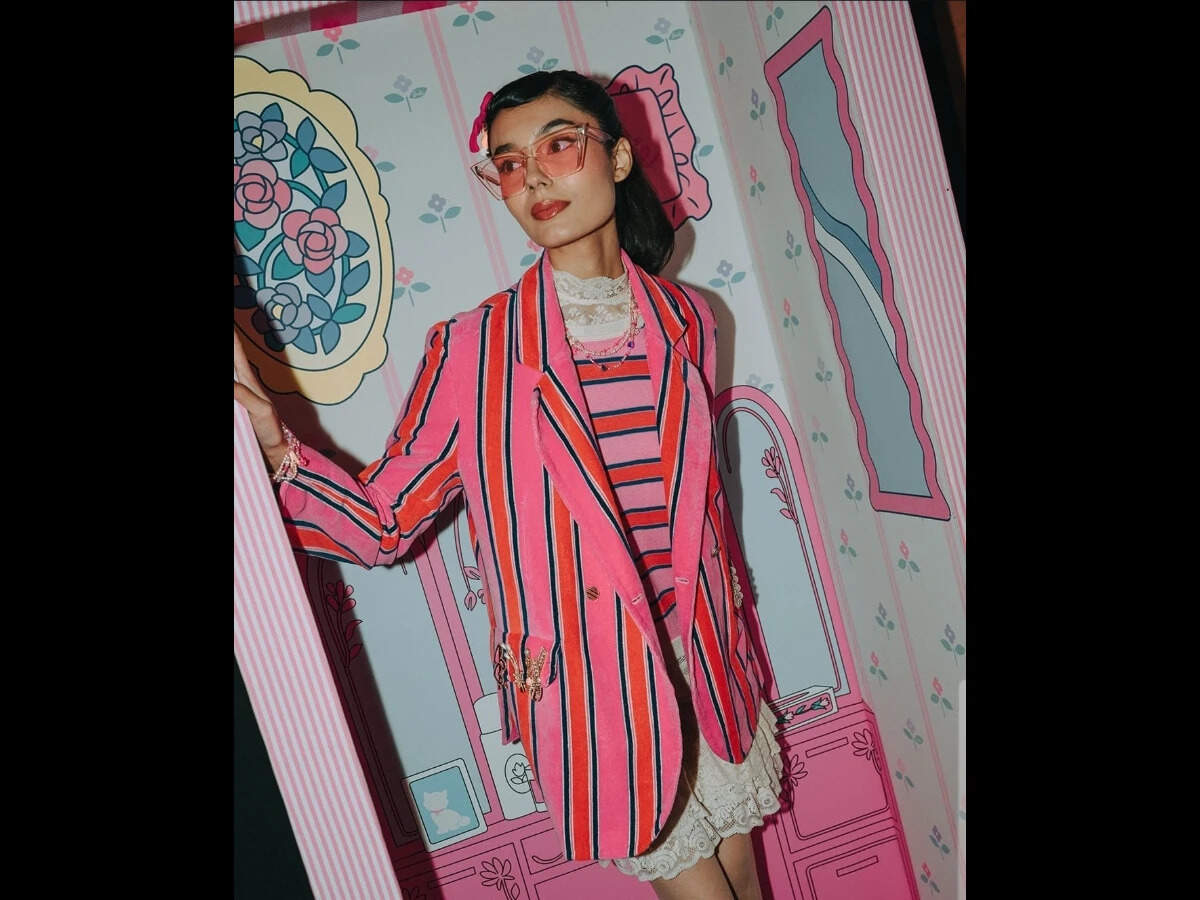
Designer label péro is targeting 25-30 per cent season-on-season growth with its Spring/Summer 2027 collection, with 35-40 per cent of the range featuring Barbie as the brand deepens its global intellectual property (IP) collaborations to drive consumer demand and premiumisation.
The collection comprises around 280-300 stock-keeping units (SKUs) and is scheduled to launch in February-March 2027 across approximately 25 countries, including Europe and the US. In India, it will be available through péro’s Perodise platform and retail partners across metros.
“We are looking at a strong 25-30 per cent of growth season-on-season with this collection,” said Aneeth Arora, founder and creative director of péro.
The partnership follows péro’s Hello Kitty collaboration in 2025 and brings together the designer’s craft-led aesthetic with a globally recognised entertainment IP. While the company has not disclosed collection-level sales targets or investment figures, Arora said the collaboration would allow it to charge a slight premium, with the additional pricing helping offset licensing royalties and maintain margins at par with regular collections.
“The customer is aware that these pieces are keepsakes and will be available for a limited period. This premium offsets the royalties being paid for the collaboration, which in turn results in at-par margins on these collections as well,” she said.
For Dream Theatre, which facilitates licensing and brand collaborations, the partnership reflects a shift in India’s licensing market from mass-market merchandise towards design-led products that can create stronger brand engagement and incremental consumer demand.
“Creative collaborations account for around 10 per cent of our business today, and we expect that vertical to grow at roughly 25 per cent year on year,” said Jiggy George, founder and CEO of Dream Theatre.
The company estimates India’s wider licensing market at around $2 billion, while licensed products and services globally generated approximately $370 billion in retail sales in 2024. Fashion and lifestyle are emerging as promising categories, spanning apparel, footwear, accessories, beauty, home, food and experiences.
Dream Theatre works with a pool of more than 75 licensees across the brands it represents. It developed around half a dozen fashion and lifestyle associations in the current financial year and expects that number to double in the next fiscal.
“The number of conversations we are having around fashion and lifestyle has grown meaningfully over the past two years,” George said, adding that the opportunity was expanding beyond apparel into categories such as streetwear, footwear, beauty and home.
Talking about the deal, George said, “The commercial model typically involves a fee for the right to use the IP, royalties on products sold, and investments by the partner in product development, retail, content and marketing.”
For péro, the Barbie collection will be developed and marketed as part of its SS27 season, with the runway presentation at fashion week adding to promotional spending. Arora said the investment in collection development, marketing and consumer touchpoints would remain in line with the brand’s other seasons.
Both companies see the opportunity extending beyond a single launch, but said future collaborations would depend on the fit between the IP and the design partner.
“We pick our partners carefully,” Arora said. “It will all depend on getting the right partner, having synergies, and a symbiotic approach to get the right consumer on board.”
George said the next phase of licensing would be about quality rather than simply increasing the number of partnerships. “The opportunity is not simply to do more collaborations. It is to do better ones that feel right for both brands and give people a reason to care.”