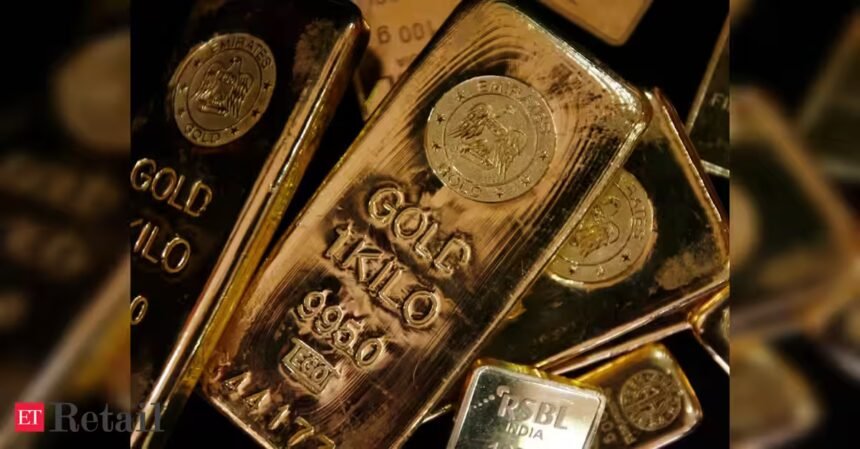
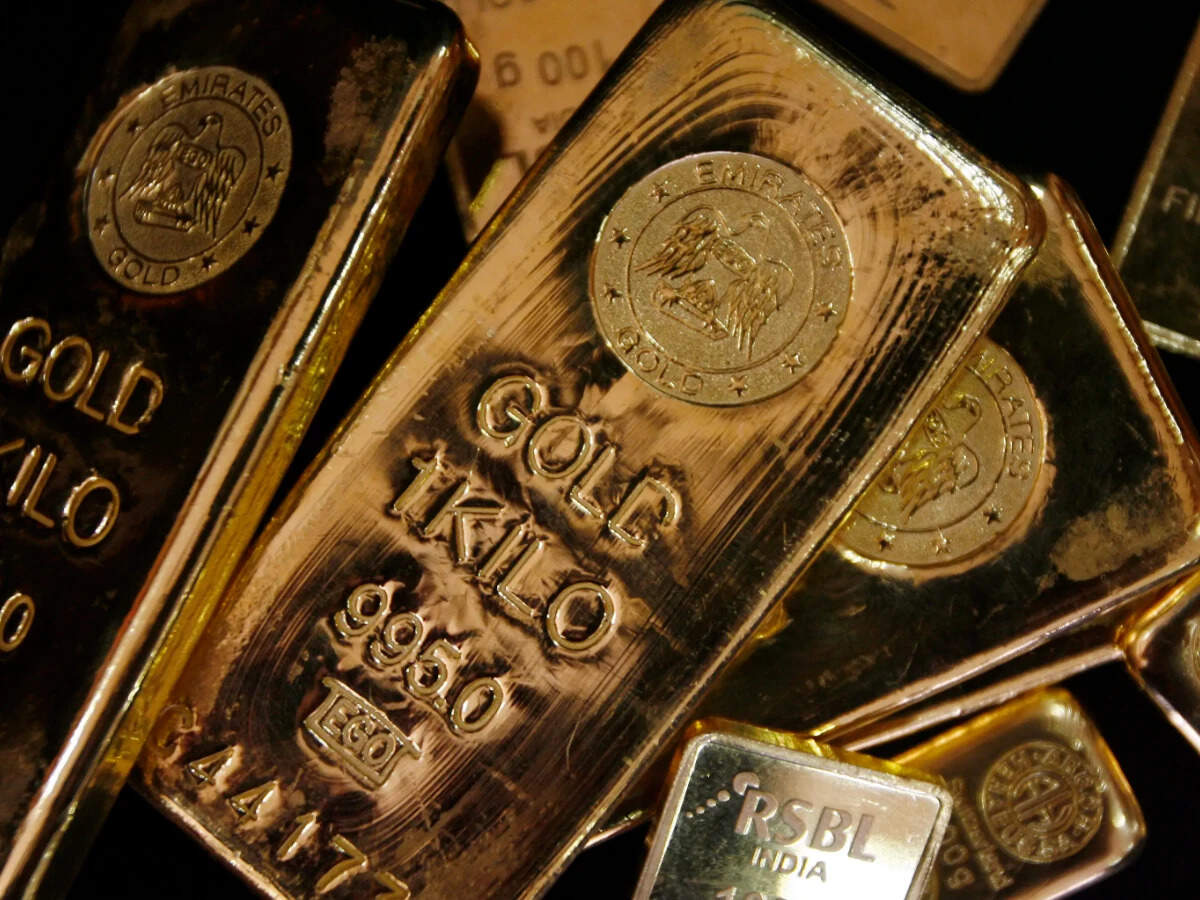
Bars and coins remained India’s largest gold investment channel in the September quarter, with demand rising 9% sequentially to 55 tonnes, although it fell 40% year-on-year, according to the World Gold Council’s (WGC) latest India Focus report released on Tuesday. The decline partly reflected a high base in the year-ago period and a moderation in investor buying as price momentum eased.The nine-percentage-point increase in gold import duty in May also weighed on demand. The WGC said its econometric models showed that bar and coin demand was relatively more sensitive to changes in import duties and income. Higher duties and restrictions tend to dampen demand, it said.Despite the annual decline, India remained the world’s second-largest market for bars and coins after China, accounting for around 21% of global demand in the September quarter, the report said.Investment demandOverall gold investment demand rose 12% quarter-on-quarter to around 60 tonnes in the September quarter, although it moderated from the strong levels recorded in the second half of 2025 and the first quarter of 2026 as earlier price momentum faded, the WGC said.The sharp tilt towards investment seen in the March quarter, when investment demand overtook jewellery demand, also eased. Investment accounted for around 42% of India’s net gold demand in the September quarter, down from 69% in the March quarter.Investment demand has nevertheless remained relatively resilient. In the first nine months of 2026, it declined just 4% year-on-year, compared with an 18% fall in jewellery demand. This suggests investment buying has been less affected by elevated gold prices, the report said.Gold ETFsGold exchange-traded funds (ETFs) continued to attract investor interest. Demand rose to 5.3 tonnes in the September quarter from 3.6 tonnes in the June quarter, taking total holdings to around 124 tonnes, according to the WGC.In mid-October, mutual fund houses temporarily suspended fresh subscriptions to gold fund of funds (FoFs), while allowing existing systematic investment plans (SIPs) and direct investments in gold ETFs to continue.The WGC said the development would need to be monitored, as FoF assets under management are equivalent to around one-third of gold ETF assets. However, it expects the impact on overall ETF flows to remain contained, given that existing FoF SIPs and direct ETF investments can continue.Digital gold gains groundInvestment in gold is also expanding beyond traditional avenues. Gross digital gold purchases stood at an estimated 4.9 tonnes in the September quarter, broadly unchanged from the previous quarter but higher than 3.4 tonnes a year earlier.In the first nine months of 2026, digital gold demand rose 76% to 16.3 tonnes from 9.2 tonnes in the corresponding period last year. The WGC attributed the growth to the accessibility and convenience of digital gold, along with its low minimum investment requirements.