The euro breached past the $1.2 level for the first time since 2021 and was at $1.2015, a tad weaker on the day, while sterling was also near its highest level since 2021 at $1.3823 in early Asian hours.
The dollar index, which measures the U.S. currency against six major rivals, was at 95.964 after dropping over 1% in the previous session when it hit a four-year low of 95.566.
Trump said on Tuesday the value of the dollar was “great”, when asked whether he thought it had declined too much. Traders took his comments as a signal to sell the greenback aggressively.
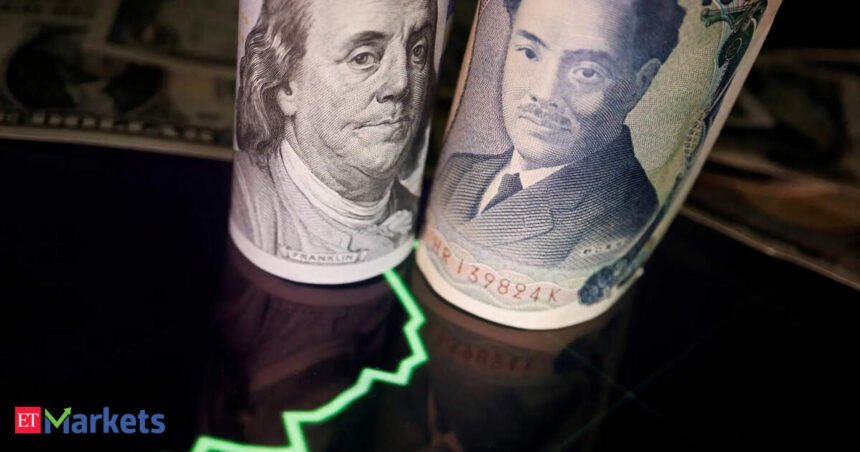
Trump’s comments were not exactly new, but they came at a time when the dollar has been under pressure as traders braced for a possible coordinated currency intervention by U.S. and Japanese authorities to stabilize the yen.

“It shows there’s a crisis of confidence in the U.S. dollar and it would appear that while the Trump administration sticks with its erratic trade, foreign and economic policy, this weakness could persist,” said Kyle Rodda, a senior market analyst at Capital.com.
The dollar tumbled over 9% in 2025 and has started the year on the back foot, already down about 2.3% in January as Trump’s erratic approach to trade and international diplomacy, fears over the Federal Reserve‘s independence and huge increases in public spending rattled investors. “The weak dollar flies in the face of otherwise strong fundamentals. The U.S. economy remains exceptional and the dollar should be reflecting that,” said Rodda. “But because of Trump’s behaviour, it’s not.”
Investors’ focus will be on the Federal Reserve’s policy decision later in the day, where the central bank is expected to stand pat in a pause that investors see lasting beyond U.S. central bank chief Jerome Powell’s final meetings in March and April.
YEN’S REPRIEVE
The frail Japanese yen got a further boost from the dollar selling and was at 152.60 per U.S. dollar after surging over 1% in the previous session. It was hovering near a three-month high on talk of the U.S. and Japan conducting rate checks – often seen as a precursor to official intervention.
Japanese authorities said on Monday they have been in close coordination with the U.S. on foreign exchange, without providing further details.
Investors remain unconvinced about the impact of an actual intervention, especially because Prime Minister Sanae Takaichi is basing her snap election campaign on expanded stimulus measures. Japan’s election is set for February 8.
“I think they’ve done what they’ve done now. It will stay in this range. They’ve postponed the 160 by three months at least which is an achievement in itself,” said Vaibhav Loomba, head of FX and rates at financial services firm Klay Group.
The Australian dollar rose to $0.70225, its highest level since February 2023 amid the broad dollar weakness and after data showed consumer price inflation rose at a faster annual pace in the December quarter, stoking expectations of a near-term rate hike from the Reserve Bank of Australia.