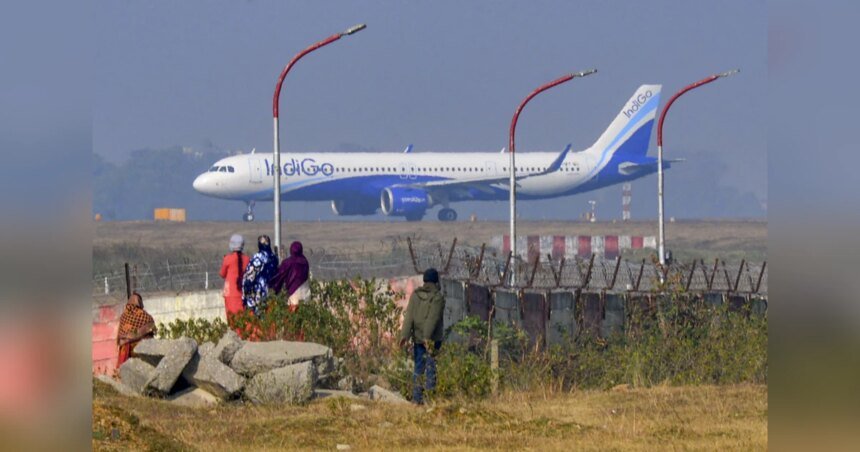
An industry body comprising India’s three largest carriers has raised objections over the civil aviation regulator’s proposed rules on cabin crew rest, saying the draft framework is more restrictive than international standards and leaves little room for operational flexibility, according to a report by PTI.
In its letter, the FIA also called for “globally harmonised, evidence-based and operationally practical provisions” in the final norms. A central demand from the grouping is that flight duty period, rather than flight time, should be the main measure used in managing day-to-day cabin crew fatigue.
“Duty and rest limits may focus on Flight Duty Period and minimum rest periods, avoiding cumulative caps or direct linkage to the number of landings,” the FIA said in the letter, as quoted by PTI.
A flight duty period typically begins when a crew member is required to report for or commence duty and ends once they are released from all responsibilities. Flight time, by contrast, refers to the actual duration of the flight itself.
On accommodation, the FIA said rest facilities should prioritise sleep quality, and that twin-sharing rooms could be allowed under guidelines set by operators. It further noted that global approaches recognise that recovery from fatigue depends on sufficient rest opportunity and alignment with local night hours, rather than the specific location where rest takes place.
Earlier on Wednesday, IndiGo, the country’s largest airline, also informed the DGCA that it is ready to fully implement FDTL norms following the expiration of a one-time temporary exemption it got from the regulator in the wake of widespread flight disruptions in December. The exemption, which ended on February 10, was granted after the airline cancelled over 4,000 flights in the first 10 days of December due to a lack of enough pilots that would allow it to follow the revised FDTL norms.