

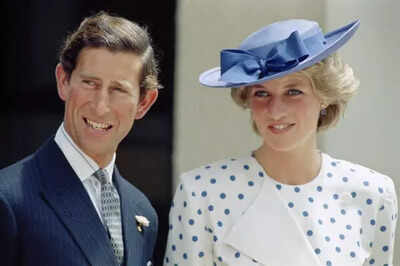
On the occasion of King Charles’s birthday, the divorce that ended his marriage to Diana, Princess of Wales remains one of the most resonant events in modern royal history. More than a personal rupture, the breakdown of the marriage exposed the monarchy to intense public scrutiny, altered how the institution manages scandal, and shaped the public identities of the royal children. These effects are still felt in Britain’s constitutional family today.
A brief timeline of King Charles and Princess Diana’s divorce
The relationship between King Charles and Princess Diana began as a global fairytale when they married in 1981, but strains emerged early in their marriage. By the mid 1980s, both had turned to extramarital relationships as emotional distance grew between them. The pressures of royal life, coupled with Diana’s struggles with isolation and mental health, made the breakdown increasingly visible during public engagements in the late 1980s. Their unhappiness, once only rumoured, soon became impossible to conceal.The public turning point came in 1992 with the publication of “Diana: Her True Story,” a book based on covert recordings Diana provided to journalist Andrew Morton. It revealed deeply personal details about her life, including her loneliness, bulimia and suicidal thoughts. That same year, Prime Minister John Major announced their formal separation. In the following years, two major phone call scandals — “Squidgygate” and “Camillagate” — exposed private conversations, confirming the depth of the couple’s marital problems and further undermining the royal image.The final rupture occurred after two highly influential interviews: Charles’s 1994 admission of adultery in a TV documentary and Diana’s 1995 BBC Panorama interview, in which she declared “there were three of us in this marriage.” The Queen intervened soon after, requesting a formal divorce. On 28 August 1996, the divorce was legally finalised. Diana lost the style “Her Royal Highness” but remained Diana, Princess of Wales and received a significant financial settlement. A year later, her tragic death in Paris would turn the world’s attention back to the painful trauma of the preceding decade.
Why that divorce mattered beyond two people
At the time, the separation and divorce were far more than the private collapse of a royal marriage. They unfolded during a period of changing media culture, when tabloids were becoming more aggressive and royal mystique was giving way to relentless scrutiny. The revelations surrounding Charles and Diana — ranging from emotional interviews to leaked conversations — exposed the monarchy’s inner workings in a way Britain had never seen. The royal family appeared vulnerable, divided and deeply human, challenging centuries of carefully maintained distance.Diana’s Panorama interview in particular transformed public expectations. Her candour about infidelity, mental health, and institutional neglect struck a chord with millions. Commentators described the interview as “the moment the palace walls cracked.” Newspapers around the world treated it as a cultural reckoning, while historians noted that the monarchy could no longer assume that silence or tradition would shield it from public judgment. The Queen’s decision to intervene and instruct the couple to divorce was seen as a sign that even the Crown could not ignore the pressure of modern media and public opinion.The consequences of the divorce extended far beyond Charles and Diana. It reshaped public attitudes toward the monarchy, influenced how William and Harry viewed the press and royal duty, and forced Buckingham Palace to rethink its entire communication strategy. The institution adopted more structured public relations, responded more promptly to crises and sought to present itself as emotionally aware and publicly accountable. In many ways, the turmoil of the 1990s became the crucible in which the modern monarchy was formed, making this divorce one of the most consequential events in recent royal history.
The media, the interview and the palace response
Diana’s Panorama interview on 20 November 1995 reached a global audience and contained remarks that many found shocking because they came from a senior royal speaking with unusual emotional frankness. The interview’s immediate effects were seismic. Within weeks the Queen and senior advisers pressed for an early divorce and the palace moved to manage the political fallout.Subsequent investigations into how the interview was secured, including the Dyson inquiry into journalistic malpractice, have further complicated the legacy and revealed the degree to which media methods shaped the narrative that changed the monarchy.
Constitutional and institutional implications
Divorce itself did not remove either party from the line of succession, but the event forced the institution to clarify how titles, public roles and finances are handled when a marriage of the heir dissolves. The Queen’s intervention, which was reported at the time as urging an early divorce in the interests of the country, underlined the uncomfortable fact that the private lives of senior royals can have public consequences.The settlement terms and the decision to curtail Diana’s royal style were administered quickly, signalling to the public that the monarchy would prioritise institutional stability even while managing intense public sentiment.
The human and emotional aftershocks
Beyond constitutional housekeeping, the divorce reshaped public sympathy and the cultural memory of the royal family. Diana’s campaigning, her warmth with the public and the image of her as the “people’s princess” deepened in the period following the separation.Her tragic death in August 1997 crystallised that emotional legacy and intensified scrutiny of the palace’s relationship with the public and the press. For many, the drama of the divorce and its aftermath turned private sorrow into a shared national narrative about compassion, responsibility and transparency.
How it continues to shape the present
The echoes of the divorce are visible in multiple ways. These include the public profiles of William and Harry, the palace’s media strategy and the evolving balance between private life and public duty. Debates about transparency, the role of courtiers and the royal family’s response to members’ missteps are all framed against the lessons learned from the 1990s.Programmes such as The Crown, high-profile documentaries and periodic journalistic inquiries into archival events have kept those lessons and controversies alive in public memory long after the legal marriage ended.On King Charles’s birthday, reflection on his divorce with Diana cannot be viewed as simply historical. It is a continuing chapter in a living institution. The split was a deeply personal rupture whose consequences radiated into constitutional procedure, public expectations and the global reputation of the British monarchy. Even decades later, it remains a defining episode because it marked a permanent change in the relationship between the monarchy, the media and the public.

