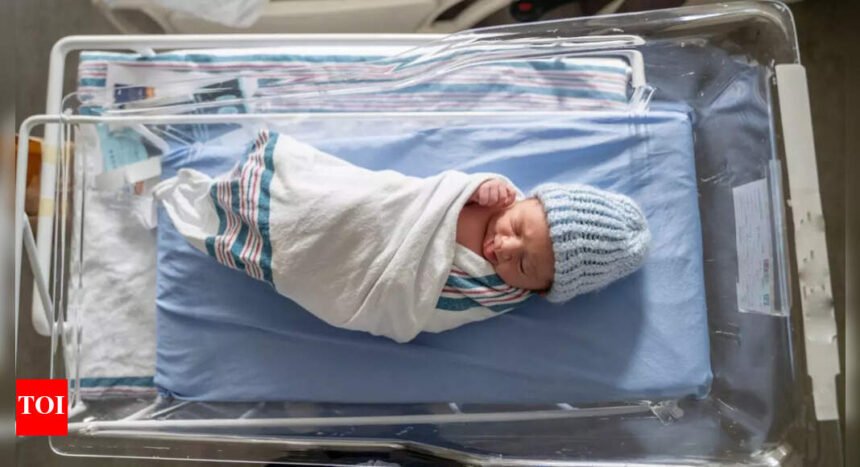

A newborn baby cannot walk, feed itself or even lift its head. Compared with most animals, human babies are remarkably helpless. Yet this dependence is not a weakness; it is an evolutionary advantage. According to a peer-reviewed study published in the Proceedings of the National Academy of Sciences (PNAS), humans give birth earlier than other primates because the energy demands of pregnancy reach a biological limit. This early birth means that human babies continue developing outside the womb, allowing their brains to grow rapidly after birth. Scientists believe this unique adaptation explains both our helplessness and our exceptional intelligence.
Why are human babies born helpless, according to evolution
Human babies are born at a stage when their brains and bodies are still developing. The PNAS study found that childbirth occurs when a mother’s energy use reaches a biological limit. Beyond this point, it becomes more efficient for brain growth to happen after birth.This means human infants are born earlier in their developmental process compared with other mammals. Their brains are still forming trillions of connections, giving them an extraordinary capacity to learn from the world around them. This early helplessness is the price humans pay for having the largest and most adaptable brains on the planet.
How helplessness in human babies helped evolution
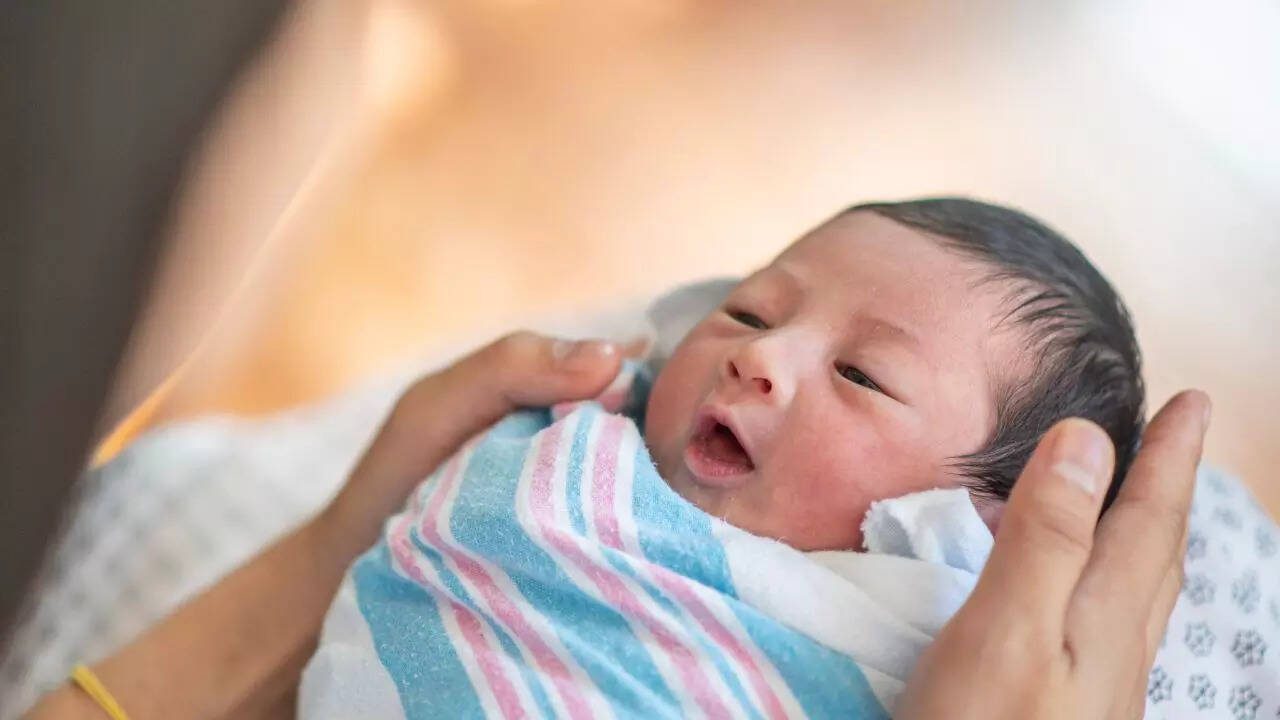
For most animals, independence begins almost immediately after birth. A zebra must stand and run within minutes, or it will not survive. Human babies, by contrast, depend on caregivers for years. This long period of dependence might seem inefficient, but it allowed our species to evolve socially and intellectually.Early humans lived in cooperative groups, where parents and other members shared childcare. This safety net gave babies time to grow slowly, allowing more energy to be devoted to brain development rather than survival instincts. Over generations, this dependence produced bigger brains, stronger emotional bonds and more complex communication, all key ingredients in human evolution.
Why a long childhood helps human intelligence
Human childhood is much longer than that of any other species. Yet this extended time is vital for developing intelligence. During the first years of life, a child’s brain builds connections that shape language, memory and reasoning.A long period of learning allows humans to adapt to different cultures, climates and technologies. Animals that grow up quickly have limited flexibility, but human babies can learn new skills for decades. Scientists suggest this slow development is directly linked to creativity and problem-solving, the abilities that define our intelligence.
How human helplessness shaped parenting and society

Because human babies need constant care, human societies evolved around cooperation and shared responsibility. Anthropologists refer to this as cooperative breeding, where multiple caregivers contribute to raising children. This system strengthened social bonds, empathy and trust, laying the foundation for modern communities.In caring for helpless infants, humans also developed emotional intelligence. The need to respond to a baby’s cries, expressions and cues helped shape our capacity for compassion and connection. In this way, helplessness played a central role in both family life and civilisation.
Why modern parents should embrace slow baby development
Many parents worry that their baby is late to crawl, talk or walk. However, researchers say these timelines are part of natural human development. Human babies are designed to take their time, and their brains continue growing and learning throughout early childhood.Rather than rushing milestones, parents should focus on nurturing relationships. Talking, playing, and responding to a baby’s needs help stimulate the very brain growth that makes humans intelligent. Dependence is not a setback; it is how we learn to think, empathise, and connect.
How helplessness gives human babies hidden strength
Helplessness might look like vulnerability, but in humans, it is a sign of strength. It allows infants to rely on adults, forming emotional bonds that teach trust and cooperation. These early interactions shape how we build relationships for the rest of our lives.By depending on others, human babies learn that survival is social, not solitary. This understanding became a defining feature of our species and one of the reasons we have thrived as communities.Human babies are helpless because evolution chose brain growth over quick independence. Our species traded physical readiness for mental and social potential. Every cry, every need for comfort and every moment of care helps shape the intelligence that defines us.Being born helpless gave humans time to learn, create and connect. Far from being a flaw, it is the secret to our success as a species.Also read| NASA explores mealworms and crickets as the next astronaut food source