Indian consumers in 2026 are shopping with a sharper eye, a longer memory, and a much clearer brief. They want footwear that justifies shelf space, spend, and wear: on a Monday morning commute and a Sunday afternoon stroll alike. Here is what that shift looks like, category by category.
Comfort Over Style: Why Indian Retail Buyers Are Stocking More Function-First Footwear
Let us start with the obvious, because it bears repeating: comfort is no longer a compromise in Indian footwear retail. It is the primary pitch.
What changed? Two shifts happened at once:
– The athleisure wave normalised “dressed-down” as a valid aesthetic, not a lazy one.
– A growing segment of aspirational buyers discovered that premium comfort could look expensive, and decided that was entirely acceptable.
The result: function-first footwear is not a niche anymore. It is a volume category, and retail buyers across India’s organised segment are ordering accordingly.
1. The Rise of Heritage Silhouettes: Why Timeless Designs Are Moving Faster Than Seasonal Style
Heritage silhouettes, meaning shapes that have existed for decades and carry recognisable design DNA, are outperforming trend-led seasonal drops in reorder rates. Retail buyers, burned by the risks of volatile micro-trends, are gravitating towards styles with proven staying power.
What defines a heritage silhouette today? Timeless design, quality materials, and relevance across generations. This is where classic footwear finds its strongest argument: not nostalgia or retro revival, but design philosophy that was correct the first time and remains so. The two-strap sandal, the moulded cork footbed, and the cross-strap slide are not throwbacks. They are references that have earned permanence.
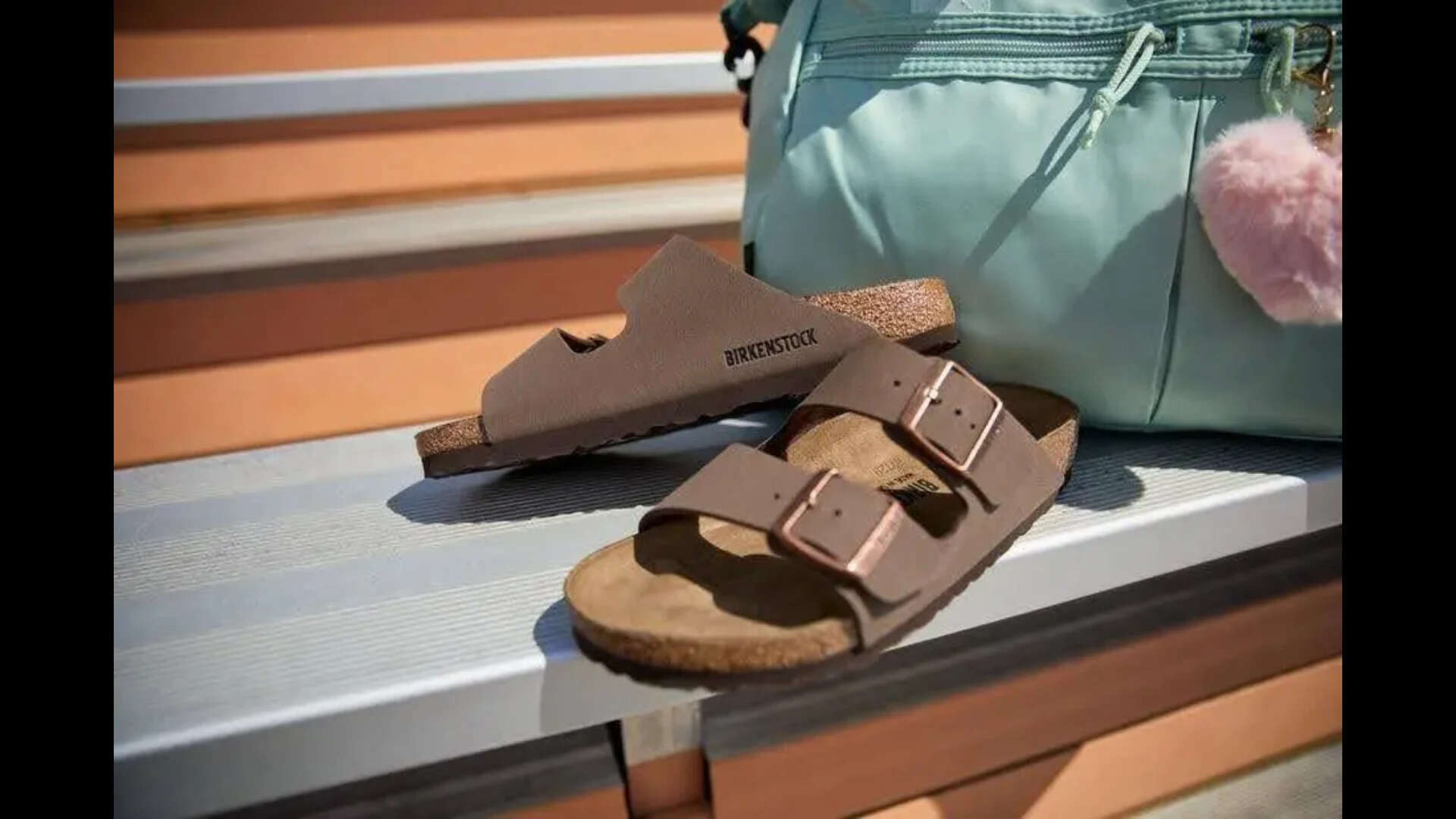
BIRKENSTOCK, whose design language traces back to 18th-century German cobblery, sits naturally in this space. Its silhouettes were never designed for a moment. They were designed for a lifetime of wear, and that philosophy resonates strongly with a buyer market exhausted by trend fatigue.
2. Comfort-Driven Footwear Trends in Everyday Fashion
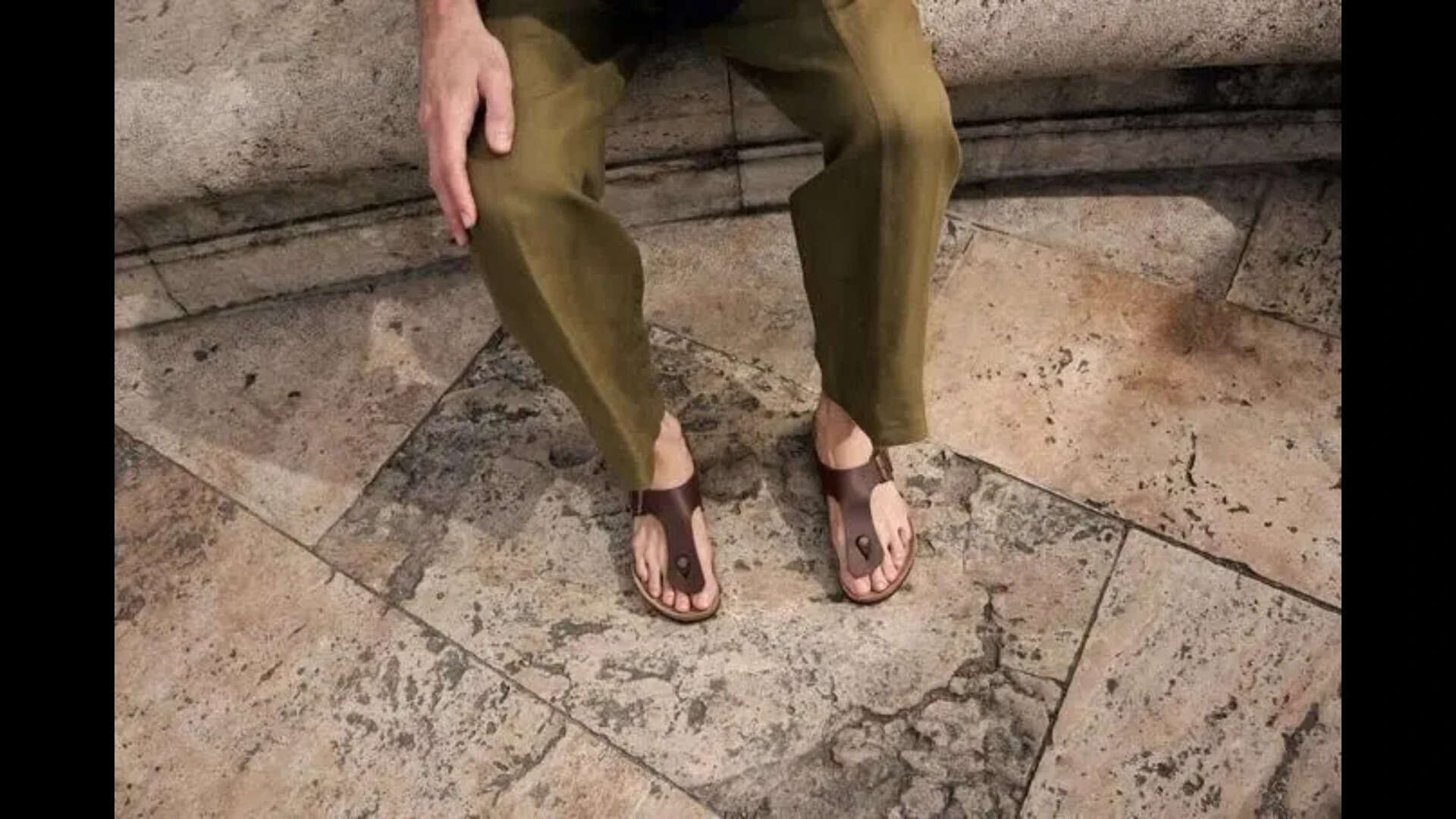
Workwear has softened, and smart casuals are now the default dress code across India’s service-sector cities. Footwear that moves from a morning meeting to an evening restaurant does not just earn a sale. It earns loyalty.
The sweet spot retail buyers are chasing: sandals for men that look considered, carry comfort credentials, and hold up across multiple settings. Brands that crack this brief enjoy disproportionate reorder rates.
The classic footwear argument here is structural, not sentimental. Heritage comfort sandals with anatomically shaped footbeds, durable straps, and materials that age well are exactly the kind of stock that does not return unsold. BIRKENSTOCK’s footbed technology, developed around the contours of a healthy human foot, speaks directly to what Indian consumers are increasingly articulate about: footwear that feels structurally sound after six hours on it.
3. Functional Footwear Trends Shaping Modern Retail Demand
Functionality in footwear used to mean sports shoes. In 2026, the definition covers far more: fatigue management across long wear durations, performance on varied urban surfaces, climate-appropriate materials, and minimal break-in time. Premium open footwear (sandals, slides, and contoured clogs) now meets this brief squarely, moving well beyond wellness and resort associations into genuine daily utility.
What does a functional footwear buyer actually look for?
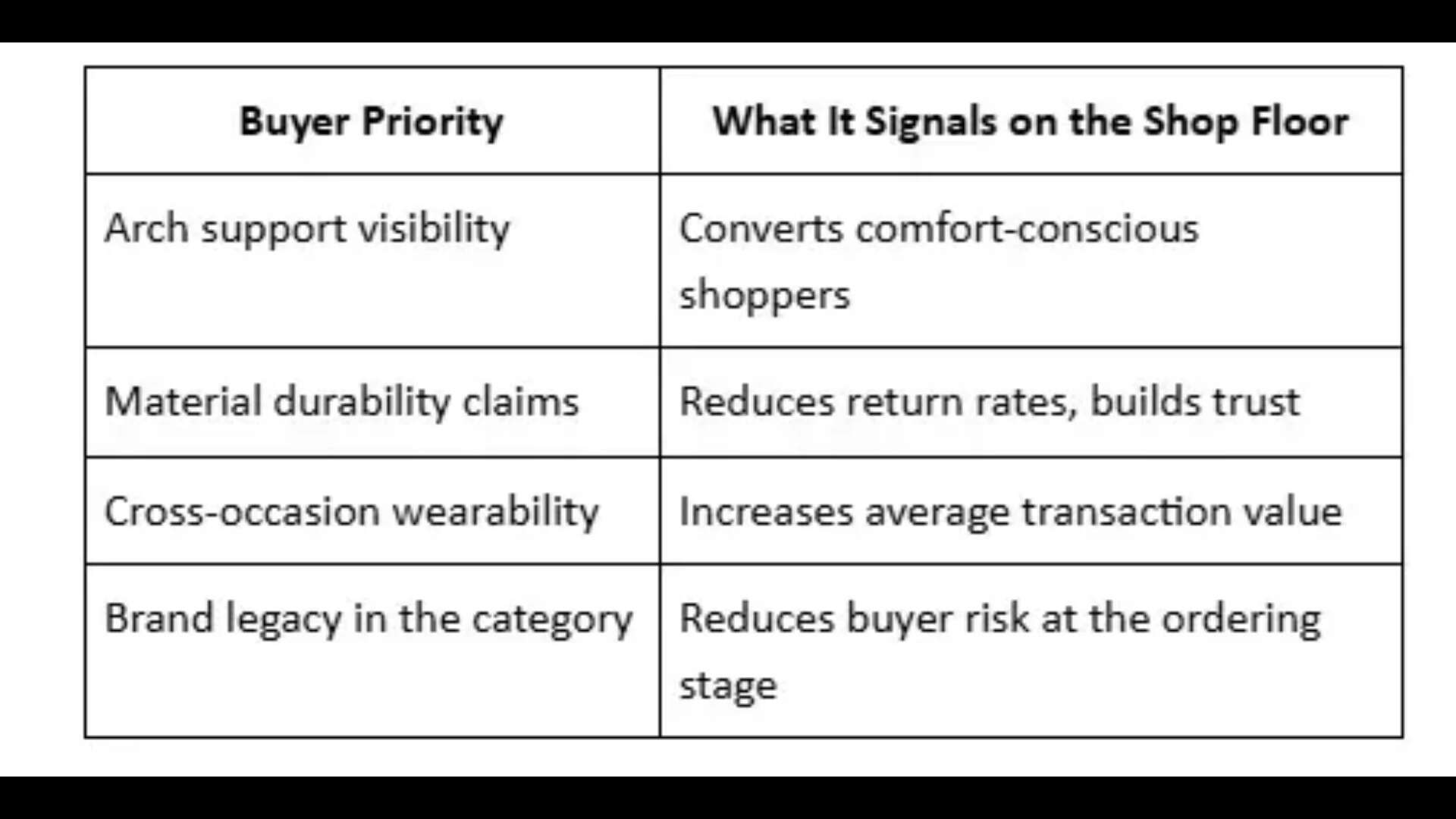
BIRKENSTOCK addresses several of these simultaneously. Its footbed’s clinical acknowledgement for supporting natural foot mechanics is a point many Indian consumers already know before entering a store, making it a brand that effectively pre-sells itself. For buyers, that is a meaningful commercial advantage.
4. The Influence of BIRKENSTOCK on Contemporary Minimalist Fashion
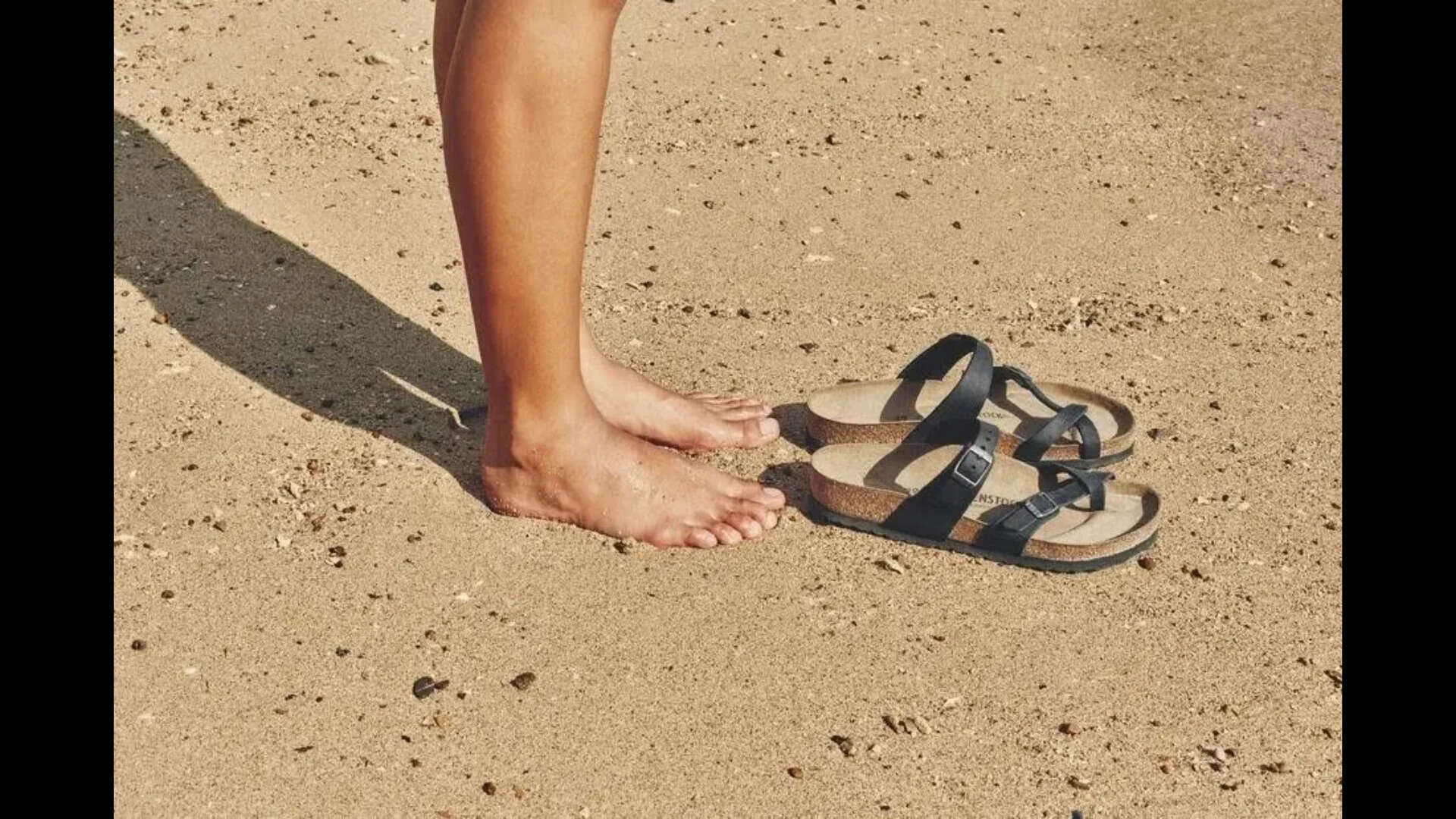
Minimalism in footwear has a simple brief: every element serves a purpose, nothing exists purely for decoration. BIRKENSTOCK’s product philosophy maps neatly onto this, and two current catalogue entries illustrate it well.
The Madrid Black Sandal is as close to a universal proposition as the premium sandal category currently offers. A single-strap silhouette firmly in classic footwear territory, it pairs with tailored trousers as readily as relaxed linen. For Indian consumers dressing across formal, smart casual, and weekend registers, that versatility is the purchase justification.
The Gizeh Sandal in Brown works the same logic through a different silhouette. The toe-post design, already familiar in Indian footwear culture, is rendered here in a premium context with BIRKENSTOCK’s contoured footbed.
5. Multi-Occasion Footwear Becoming More Relevant in Everyday Dressing
One of the clearest signals in Indian retail right now is the declining tolerance for single-use footwear. Consumers are rationalising their wardrobes, not downgrading them, but editing with more intention. The question being asked at the point of purchase is increasingly: where else will I wear this?
This shift has created a significant opportunity for multi-occasion footwear categories. And within those categories, clogs have had what can only be described as a substantial cultural rehabilitation.
Once associated almost exclusively with healthcare workers and kitchen environments, clogs have re-entered everyday fashion with an interesting set of credentials:
– Ease of wear: slip-on construction suits the pace of urban Indian life.
– Enclosed toe: offers a more formal silhouette than open sandals while retaining the comfort profile.
– Year-round relevance: unlike sandals, clogs read appropriately across seasons and air-conditioned indoor environments.
The BIRKENSTOCK Boston clog has developed a following across gender lines and style brackets in Indian urban markets, appearing in the wardrobes of design professionals, students, and weekend dressers who want a classic footwear statement without the discomfort of traditional formal shoes.
Key Takeaways from Emerging Footwear Trends
Comfort is now an expectation, not a differentiator. What actually separates brands is the ability to prove it through visible design, quality materials, and a credible history in the category. Heritage silhouettes are a safer, steadier bet than trend-led styles, with lower markdown risk and more reliable reorder cycles. Clogs have earned their place as a proper retail category, not a seasonal afterthought. And classic footwear continues to hold its ground for one straightforward reason: the considered Indian buyer in 2026 is not buying heritage out of sentiment. They are buying it because it performs.
Final Perspective: What These Footwear Trends Mean for 2026 Retail Fashion
The 2026 Indian footwear buyer is more deliberate than ever. The trends converging right now (comfort primacy, heritage silhouettes, multi-occasion demand, the rise of sandals for men and clogs) are not a passing moment. They are a direction. The brands and buyers who read it correctly will find 2026 a rewarding year on the sell-through sheet. Indian footwear retail in 2026 is not about who made the loudest entrance. It is about who built something worth coming back to.