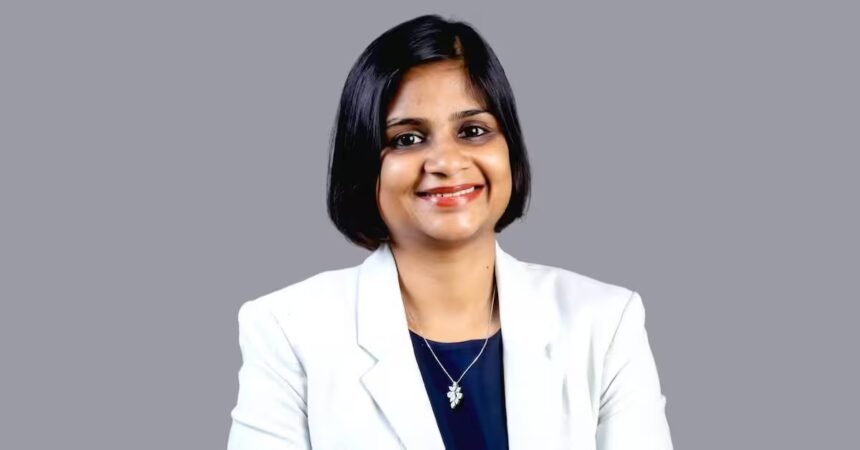
“The more entrenched the user is on your platform, and the more you are able to extract from the user. You are able to build for a long term existence without it having to depend too much on cash burn or discounting,” Singhal said, underscoring the need for the company to look deeper into what consumers want from the platform.
The pivot to hotels, stays, holiday packages and using artificial intelligence (AI) comes at a time when India’s travel industry is growing and gaining interest from institutional investors. However, it is also seeing major disruptions from geopolitical events.
The changes are getting reflected in the revenue mix. Air or bookings for air travel made up 90-95 per cent of the business as recently as early last year. But non-air side of the business, meaning accomodation, now contributes about 27 per cent, up from 10 per cent roughly 18 months ago. Singhal expects it to exceed 40 per cent by the end of next year, led by hotels and ground transport. The newly launched holidays business could add another 4-5 percentage points, taking non-air to nearly half of revenue.
This is not because air is slowing, she clarified. Cleartrip is growing 8-10 times the industry rate in air, despite the disruptions this year. The mix matters because margins vary. “Air ticketing has lower margin, hotels and bus businesses have much higher margin,” Singhal said.
The executive added that the company had spent last year and half in improving the unit economics. Cleartrip is “very close” to being contribution-margin neutral, she said, with earnings before interest, taxes, depreciation, and amortisation (Ebitda) neutrality to follow.
Hotels are central to this. Cleartrip began scaling the business about a year and a half ago, choosing to contract inventory directly. It now holds the second-largest directly contracted domestic hotel supply, with about 600,000 hotels across more than 2,000 cities. Singhal said Cleartrip is currently the third or fourth largest player in business-to-consumer hotels and aims to become the second largest online travel agency within a year.
To drive adoption, it has launched ‘Book at Zero’, which lets customers reserve a room and pay three days before check-in. A “last minute deal” product, live since Monday, offers hotelier-funded discounts on same-week stays.
Hostels and villas can already be booked, though mostly through partner inventory. Singhal called alternative accommodation more fragmented than hotels. Direct contracting has begun, and she expects Cleartrip to be in “much better shape” in six months. Trains and buses are the other lever.
“We are looking at exiting next year at roughly upwards of 40 per cent share of non-air business contributed by all three.Hotel and ground transport which is your train and bus put together would be 40 per cent of the overall business,” she added.
The company is also pushing premium upgrades, insurance and a low-cost date-change loyalty programme, Elite, which lets customers reschedule for ₹9.
On funding, Singhal said that as a Walmart-owned entity, Cleartrip is not looking at external equity. “Maybe, except for a couple of years more, we will need as much. We should be self-sustaining,” she said.
According to data from Tracxn, Cleartrip reported increasing revenue from ₹96 crore in financial year 2023 (FY23) to ₹235 crore in FY25. However, loss had mounted between FY22 (₹359 crore) and FY24 (₹810 crore). In FY25, the company managed to narrow this to ₹651 crore.