Last Updated:
Shah did not signal that a tie-up between the BJP and the Shiromani Akali Dal (SAD) and its splinter factions is imminent, but ground workers are, of course, working overtime




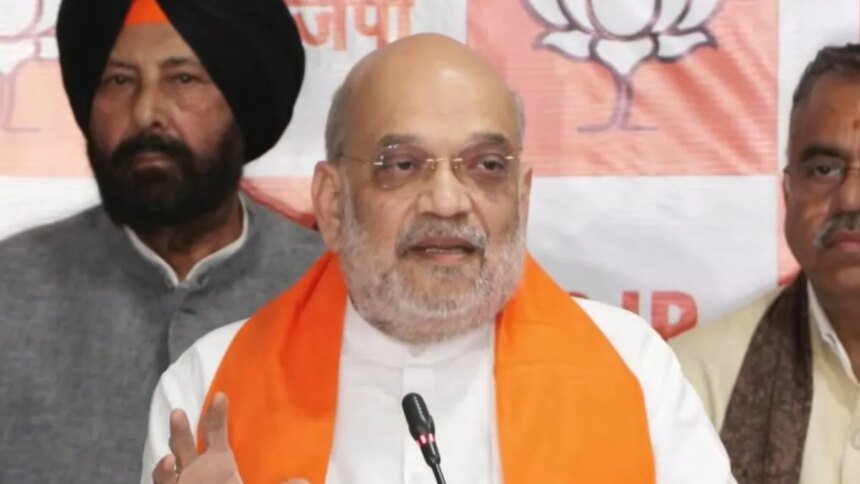
Union Home Minister Amit Shah in Ludhiana, Punjab. (File pic: BJP)
Historically, Punjab has rallied behind individuals of strong character: leaders with proven credentials who can shatter the status quo and deliver when times get tough. Home Minister Amit Shah’s recent visit to the state set the tone for a new narrative: that he is the one who can deliver against all odds.
“ਇਹ ਬੰਦਾ ਪੰਜਾਬ ਨੂੰ ਨਸ਼ਿਆਂ ਵਿੱਚੋਂ ਬਾਹਰ ਕੱਢ ਸਕਦਾ ਹੈ!”
“This man can get Punjab out of drugs” is the general feeling.
Shah is the same leader who, on August 5, 2019, effectively revoked the special status of Jammu and Kashmir through a calculated and legally rigorous constitutional strategy.
He put the BJP in the spotlight by claiming that, if the NDA comes to power, it can finish off the drug problem within two years. The claim was neither lofty nor superficial. It was pragmatic, given the severity of the drug menace in the border state.
Shah Opens the Door to an NDA Front
Shah set the ball rolling on a possible alliance with his firm remark that the NDA will form the government in Punjab. The Akali Dal has not been in the best of times for many years, but with elections around the corner, it is time to connect the dots.
At A Glance
Home Minister Amit Shah claimed that the NDA can finish off the drug problem in Punjab within two years if it comes to power.
The BJP and the Shiromani Akali Dal previously formed the government in Punjab during the periods of 1997-2002, 2007-12, and 2012-17.
In July, Prime Minister Narendra Modi inaugurated projects worth Rs 5,470 crore in Jalandhar.
Punjab BJP chief Kewal Singh Dhillon stated in August that the state unit was preparing to contest all 117 seats.
The BJP and the Akalis severed their previous alliance in 2020 over farm laws that were later repealed.
Shah did not signal that a tie-up between the BJP and the Shiromani Akali Dal (SAD) and its splinter factions is imminent, but ground workers are, of course, working overtime. The SAD chief met the Prime Minister in the Parliament Annexe some time ago, while the breakaway Akali Dal (Punar Surjit) faction is in talks with the BJP.
Why a BJP-Akali Reunion Would Change the Maths
Punjab has awaited this story for a long time. A BJP-Akali alliance could upend all opinion polls and rewrite the political script. Political pundits in the state say that once the alliance takes shape, the balance of power will leap forward.
The BJP and the Akalis together bring urban and rural voters, and Hindus and Sikhs, onto the same page. It is the formula on which they ruled the state in tough times, but those were days when the Akalis were powerful and the BJP was limited to a few urban pockets. Since severing ties with the Akalis, the BJP has worked hard to spread its footprint across Punjab, with Sikh leaders in leadership roles and Hindu faces pushed to the second rung.
From ‘Going Alone’ to a Bigger Pie
The shift is striking. In March, Shah told a rally in Moga that the BJP would contest 2027 to form its own government, recalling that it had always come as the “younger brother”. Five months later, Sukhbir Badal met PM Modi on August 7, reportedly after meeting Haryana CM Nayab Saini, the BJP’s man in Punjab.
Sources claim that seat-sharing talks are at an advanced stage, with the BJP likely to take the “big brother” role. BJP supporters call this pragmatism from a position of strength. The party’s independent run since 2020 is said to have expanded its base among Punjab’s urban voters, which lets it negotiate as the senior partner rather than return as a junior one.
From Farm Laws to ‘Punjab First’
The BJP and the Akalis broke their alliance in 2020 over the farm laws, which were later repealed. Talk of a renewed alliance lets both sides reset the conversation toward governance.
Shah’s charge sheet against AAP includes mounting debt, drugs, conversions, corruption and gangster terror, and his pitch is a “double-engine” government that would put Punjab back on track. In July, PM Modi inaugurated projects worth Rs 5,470 crore in Jalandhar while attacking the AAP government on corruption, debt and law and order.
For the alliance, development becomes the headline and the farm-law grievance recedes. The pitch to voters is that Punjab needs a government that works with the Centre on debt, investment, border security and the drug menace. The AAP government, by contrast, has hardly had a working relationship with the Centre.
Reviving the Hindu-Sikh Sanjh
The late Parkash Singh Badal was among the tallest Sikh leaders of the last thirty to forty years. He stood for Hindu-Sikh brotherhood when Punjab faced its toughest times in the late 1980s. His camaraderie with former Prime Minister Atal Bihari Vajpayee and LK Advani is still talked about. Now that both Vajpayee and Badal are gone, their legacies matter more than ever.
The SAD-BJP combine formed the government three times, in 1997-2002, 2007-12 and 2012-17, on the arithmetic of a rural Sikh base and urban Hindu voters. Proponents argue that a reunion would restore that social coalition in a border state, where communal harmony is as much a security question as a political one.
BJP leaders also stress their Sikh outreach record, which Shah has previously listed as the Kartarpur Corridor, Veer Bal Diwas and the removal of 312 names from the blacklist.
Not a Done Deal Yet
Nothing is final. In August, Punjab BJP chief Kewal Singh Dhillon said the state unit was preparing for all 117 seats and saw no possibility of a tie-up.
BJP national president Nitin Nabin said only that the decision would come at the right time. That time is around the corner.
Arvind Kejriwal has mocked the Modi-Badal meeting, and AAP retained its base in the recent municipal polls. Sukhbir faces competing Sikh political voices and the task of reviving a weakened organisation. The Waris Punjab De factor could also play into the BJP’s calculations.
The real test is not Shah’s confidence but the final seat-sharing formula, and whether Punjab’s farm-belt voters, who walked away in 2020, will accept the reunion.
Quick Answers
 Ask News18
Union Home Minister Amit Shah claimed that if the NDA comes to power, it can completely eliminate the drug menace in Punjab within a span of two years, characterizing the target as pragmatic given the state’s severe border crisis.
Ask News18October 24, 2026, 22:36 IST
Read More