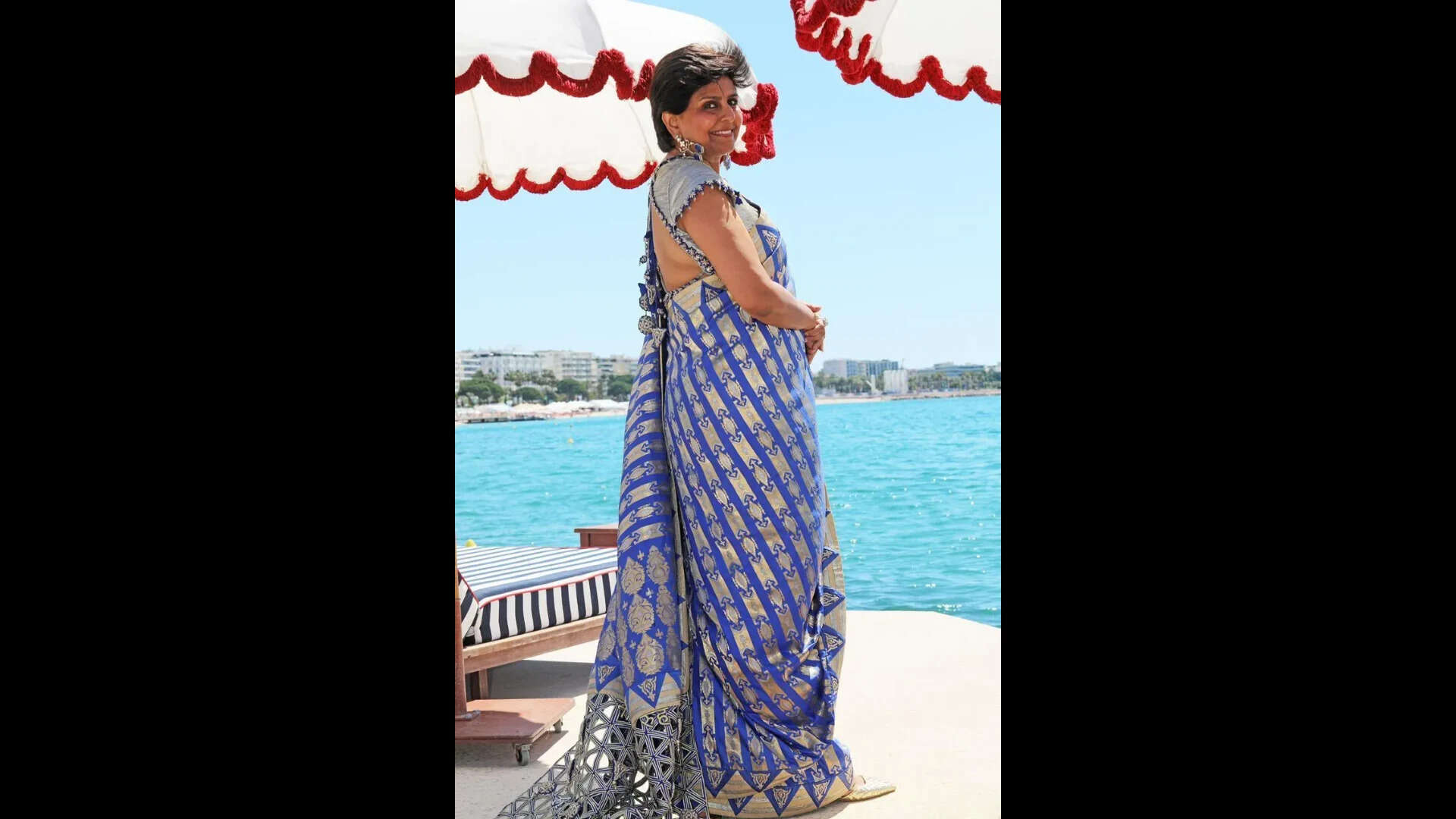
Bengaluru: Fresh off her showcase at the Cannes Film Festival, luxury couture designer Nitika Gujral says India’s premium and occasionwear industry is navigating a challenging business environment marked by rising input costs, labour shortages and increasingly cautious consumer spending.
“The money market is tight. People don’t want to spend because everybody is scared. Nobody knows what the global situation will be like, so consumers are becoming far more price-conscious,” Gujral told ETRetail.
The impact is particularly visible among overseas Indian customers, a crucial segment for India’s luxury bridalwear market.
According to Gujral, the brand has witnessed nearly a 60 per cent decline in NRI visits during the current wedding season, affecting demand for high-ticket couture purchases. Summertime traditionally sees a large influx of overseas Indians travelling to India for wedding shopping, but that trend has weakened considerably this year.
At Cannes, Gujral said she was encouraged by the strong appreciation for Indian embroidery, fabrics and craftsmanship, with international audiences showing increasing interest in contemporary interpretations of traditional Indian couture. The experience has prompted the brand to accelerate plans around occasionwear and fusion collections designed for a global consumer while remaining rooted in Indian heritage.
“We are focused on growing internationally, but very intentionally. The craftsmanship and exclusivity will remain at the centre of everything we create,” she said.
Even as brands look for growth overseas, operating costs continue to rise sharply.
Gujral said disruptions in the availability of commercial cylinders affected dyeing operations, while fabric and processing costs have increased significantly over the past few months. Dyeing, one of the earliest and most critical stages of garment production, has become substantially more expensive.
The industry is also facing labour-related challenges as workers increasingly return to their hometowns amid rising living costs in metropolitan cities. This has put upward pressure on wages and added to execution challenges for designer brands that rely heavily on skilled craftsmanship.
The combination of rising production costs and weakening consumer confidence has created a difficult balancing act for luxury labels. On one hand, brands are dealing with higher raw material, logistics and labour expenses. On the other hand, customers are becoming increasingly value-conscious and looking for more affordable options.
According to Gujral, consumers who previously had no hesitation spending around Rs 3 lakh on bridal outfits are now actively seeking products closer to the Rs 2 lakh price range.
As a result, the company is evaluating collections at more accessible price points without compromising on craftsmanship, recognising that weddings and celebrations will continue despite the uncertain economic environment.
“We have to make our customers happy and keep our workers happy as well. Designers today are balancing both sides,” Gujral said.
Beyond bridalwear, the brand is also planning a stronger push into occasionwear and fusion fashion categories, building on insights gathered from international markets. While bridal and groom wear remain the company’s core business, Gujral believes global consumers are increasingly looking for contemporary garments that combine comfort, soft glamour and traditional craftsmanship.
The designer said the company is targeting around 50 per cent growth over the coming year, although she acknowledged that the broader luxury fashion industry is likely to remain cautious until geopolitical and macroeconomic conditions stabilise.