Last Updated:
DMK chief MK Stalin said their demands had been met and the revised delimitation Bill is a “victory” for the party and all southern states, including Tamil Nadu



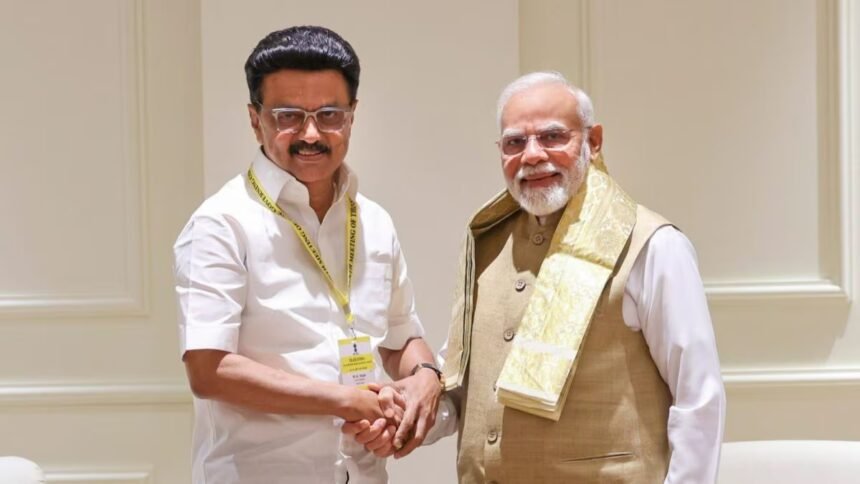
With the DMK’s support, the NDA is more sure-footed ahead of the special session in Parliament that begins on Monday, November 30. (Image: PTI/File)
The DMK has decided to support the Centre’s revised Delimitation Bill after its “two conditions” were met. Party chief MK Stalin convened a meeting early on Saturday to deliberate on their stance, and later made the announcement on X calling it a “victory” for the DMK and all southern states.
“DMK supports the bill incorporating the demands of #FairDelimitation. The two demands for which we opposed the #Delimitation bill last April have been included in writing in the new bill. This is a victory for the sustained struggles waged by the DMK since 2024! A victory for all the southern states, including Tamil Nadu!” Stalin said in the post, adding that the party had thoroughly examined all issues, and delimitation “in this form” is “feasible in practice and beneficial to us”.
#FairDelimitation கோரிக்கைகளை ஏற்ற சட்டமுன்வரைவிற்குத் தி.மு.க. ஆதரவுகடந்த ஏப்ரல் மாதம் எந்தக் காரணங்களுக்காக #Delimitation சட்டமுன்வரைவை எதிர்த்தோமோ, அந்த இரண்டு கோரிக்கைகளும் எழுத்துப்பூர்வமாகப் புதிய சட்டமுன்வரைவில் சேர்க்கப்பட்டுள்ளன.
இது, 2024-ஆம் ஆண்டுமுதல் தி.மு.கழகம் மேற்கொண்ட தொடர் போராட்டங்களுக்கான வெற்றி! தமிழ்நாடு உள்ளிட்ட தென்மாநிலங்கள் அனைத்துக்குமான வெற்றி!
1971 மக்கள்தொகையின் அடிப்படையிலேயே அனைத்து மாநிலங்களுக்கும் 50% தொகுதிகள் உயர்வு எனும் இந்த #DelimitationBill-ஐத் தவறவிட்டால் என்ன நடக்கும் என உணர்ச்சிவயப்படாமல் சற்று சிந்தித்துப் பார்க்க வேண்டும்.
அதையெல்லாம் தீர ஆராய்ந்துதான், நடைமுறைக்குச் சாத்தியமானதில் நமக்குச் சாதகமான இந்த வடிவிலேயே #Delimitation நடந்திடத் தி.மு.கழகம் ஆதரவளிக்கும் என்ற நிலைப்பாடு இன்றைய நாடாளுமன்ற உறுப்பினர்கள் கூட்டத்தில் எடுக்கப்பட்டுள்ளது.
— M.K.Stalin (@mkstalin) November 28, 2026
On Friday (November 27), he had stressed that there will be no compromise on his demands. Hours later, the Union Cabinet cleared the Bill, which will raise Lok Sabha seats by a uniform 50 per cent in every state and extend the freeze on their relative share in the House until 2031.
So, what led to the DMK’s decision after the party voted against the Bill in April when it was first tabled in Parliament? Now, with its support, the NDA is more sure-footed ahead of the special session in Parliament that begins on Monday, November 30.
WHAT DID THE DMK DEMAND?
Stalin had set out two conditions, terming them as “fair delimitation”: Tamil Nadu’s 7.18 per cent share of Lok Sabha seats must not fall if the House expands; and the 1971 Census-based proportion of seats among states must stay frozen for another 25 years.
Tamil Nadu has 39 out of 543 Lok Sabha seats, which account for its 7.18 per cent share.
On February 25, 2025, Stalin claimed delimitation could cost Tamil Nadu eight Lok Sabha seats. An all-party meeting he convened on March 5 sought a 30-year freeze on the number and state-wise distribution of seats. On March 22, the joint action committee he led in Chennai adopted a resolution seeking a 25-year extension of the freeze based on the 1971 Census.
At the time, Stalin said the states were not against delimitation but only against a version unfair to states that had controlled population growth.
HOW DID THE DMK VOTE THE FIRST TIME?
The Constitution (131st Amendment) Bill, 2026 was defeated in the Lok Sabha on April 17 by 298 votes to 230, out of 528 members present and voting. It needed about 352.
It was the first time a constitutional amendment brought by the Narendra Modi-led government failed. It then withdrew the companion Delimitation Bill and the Union Territories Laws (Amendment) Bill.
The DMK had voted against the Bill in April. Its objection was that it offered no written guarantee.
Union Home Minister Amit Shah had said on the floor that Tamil Nadu’s seats will rise from 39 to 59, with its share edging up from 7.18 to 7.23 per cent. But the promise of a uniform increase was made in speeches and was absent in the Bill.
WHAT HAS CHANGED?
According to the DMK, both conditions set by them now appear in the revised Bill.
- Uniform 50% rise: The Delimitation (Second) Bill, 2026 (Bill No. 159 of 2026) states in Section 10 that there shall be an increase of 50 per cent in the Lok Sabha seats allocated to each state and Union territory. It applies the same rise to each state’s assembly seats. Section 11(5) states the new allocation does not affect the existing House until it is dissolved, so it will apply from the next general election.
- 25-year freeze: This sits in the companion Constitution (132nd Amendment) Bill, not in the Delimitation Bill. It amends Article 81 to replace the words “until the relevant figures for the first census taken after the year 2026 have been published” with “until the year 2051″.
- Ceiling: The Article 81 amendment raises the maximum number of Lok Sabha members from states from 530 to 815, and from Union Territories from 20 to 35. That makes 850 in total. The Centre plans to redraw boundaries using the 2011 Census and finish the exercise within two years.
WHAT IS THE MATH?
Tamil Nadu’s share: a uniform 50 per cent rise takes 543 seats to about 815 and Tamil Nadu’s 39 to about 59, which is about 7.2 per cent of the House, effectively unchanged and in line with Amit Shah’s figure.
The 850 figure is a ceiling that includes 35 Union territory seats. A flat 50 per cent on 543 gives about 815, which is why the share holds.
The numbers in the Lok Sabha: in April, the Bill got 298 votes for and 230 against. The two-thirds mark was 352, so it fell 54 votes short.
If all 22 DMK MPs, who were among the 230 against, moved to the “for” side, the tally will be 320 for and 208 against. The two-thirds majority is still 352, so the DMK’s votes would not carry it alone.
There have been other shifts since April. About 20 Trinamool MPs who broke away from Mamata Banerjee and six MPs who left the Shiv Sena (UBT) take the NDA to about 320. Adding the DMK’s 22 and the NCP (SP)’s eight puts the tally near 350, or 354 if the YSRCP’s four MPs join. The NCP (SP) and YSRCP have already declared their support to the NDA.
If all 540 sitting members vote, the government needs 360, which leaves it about six short. Absences lower the bar only slightly. The shortfall could be around 10, while the government claims a cushion of 15 to 18 votes.
Under Article 368, the Bill also needs two-thirds in the Rajya Sabha, where the DMK has eight members. The NDA is estimated to be about six votes short there.
WHY THE CHANGE IN STANCE
Stalin said the party is putting its weight behind the NDA as its stated terms were met.
Earlier, a senior DMK MP reportedly said the party never opposed delimitation, only unfair delimitation, and that its leader always insisted Tamil Nadu’s share should not go down. Now, the party can present the new package as a win on its own terms.
The break with the Congress becomes more significant. The DMK had left the INDIA bloc after the Congress backed the TVK government in Tamil Nadu.
The DMK’s reconsideration may have stemmed from the Congress walking out of the alliance to support a fledgling party. Stalin’s post attacks “backstabbers” and those who “abandon principles for positions of power”, which can be interpreted as an indirect attack on the Congress.
(With agency inputs)
Quick Answers
 Ask News18
The DMK decided to back the Centre’s revised Delimitation Bill after the Union government incorporated its two core demands in writing: a uniform 50 percent increase in Lok Sabha seats across all states and a 25-year freeze on the inter-state seat distribution proportion based on the 1971 Census.
Ask News18About the Author

Oindrila Mukherjee is a senior sub-editor who works for the rewrite and breaking news desks. Her nine years of experience in print and digital journalism range from editing and reporting to writing im…Read More
November 28, 2026, 13:06 IST
Read More