
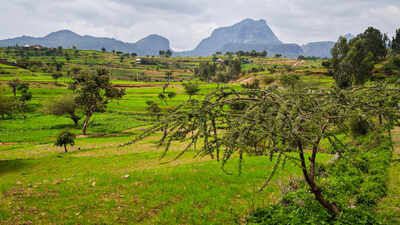
Picture yourself wandering through a tranquil village in the northern Ethiopian highlands, a gnarled grapevine sheltering from the afternoon sun over a stone courtyard. It is a familiar part of daily life for local families, a source of sweet fruit, a place to gather, and a plant passed down through generations. But what if that humble vine is a lot more than a family heirloom? What if it is a living survivor of one of Africa’s greatest ancient civilisations?But a new interdisciplinary study suggests that this extraordinary possibility is real. According to a report by Phys Org, scientists studying traditional grapevines in Ethiopia’s Tigray region have discovered evidence that some of the surviving vines could be descendants of the Aksumite Kingdom, a powerful civilization that thrived between 150 BCE and 800 CE. Aksum was a bustling centre of trade, culture and innovation, connected to busy Red Sea trade routes linking Africa with the Mediterranean and Near East. Now, nearly 2,000 years later, its agricultural legacy may linger still in the vines that quietly grow beside homes and churches.
A lost chapter in the history of Ethiopia agriculture
For the uninitiated, Ethiopia is renowned as one of the world’s earliest agricultural centers and the origin of important crops such as teff, chickpeas and lentils. But grapes are rarely seen as part of the country’s agricultural heritage. Archaeological findings tell a different story. Archaeological excavations at ancient Aksum have uncovered grape seeds, wine vessels, rock-cut wine presses, and historical evidence of the cultivation of grapes centuries ago. Intrigued by these findings, an international team of geographers, agronomists and archaeologists set out to discover whether any of our modern grapevines might descend from those ancient introductions.
The vine that attracted scientists’ attention
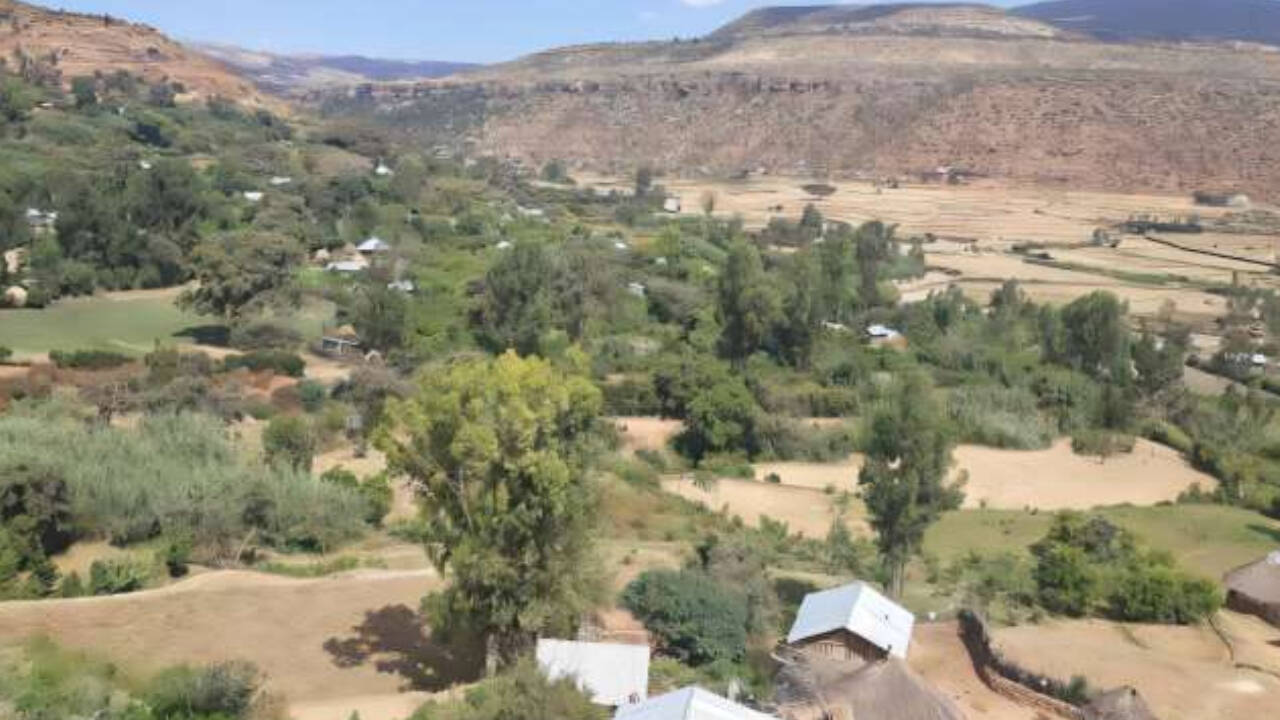
Researchers estimated that the wider region may still host between 1,000 and 1,500 traditional grapevines
The vineyards are sprawling in Europe; in Tigray the grapevines are woven into everyday village life. They are grown in home compounds, church grounds and small gardens, not commercial vineyards. Families eat the grapes fresh, give bunches to neighbors, donate harvests to Orthodox churches, and treasure the vines for the cool shade they provide during Ethiopia’s dry season. Most have been propagated from cuttings handed down through families for many generations, rather than purchased from nurseries. Researchers estimated that the wider region may still host between 1,000 and 1,500 traditional grapevines, having surveyed more than 1,269 square kilometres in field surveys, noting 41 mature vines. But one vine in the remote mountain village of Rubaksa turned out to be especially remarkable.
DNA shows roots of ancient Mediterranean
According to the report, researchers gathered leaves for DNA analysis and looked at the shape of seeds from dried grapes still hanging on the vine. The genetic fingerprint of the vine did not match any known commercial grape variety listed in major international databases. But it had strong similarities with ancient grape varieties from the Mediterranean and Caucasus regions. Even the shapes of the seeds were very similar to those of grapes traditionally grown in Italy, Greece and Cyprus. The researchers suggested to name this unique landrace Rubaksum Tsellim, a combination of the village Rubaksa, the historic city of Aksum and the Tigrinya word tsellim, which means “dark” or “black”.
A living link to ancient trade routes
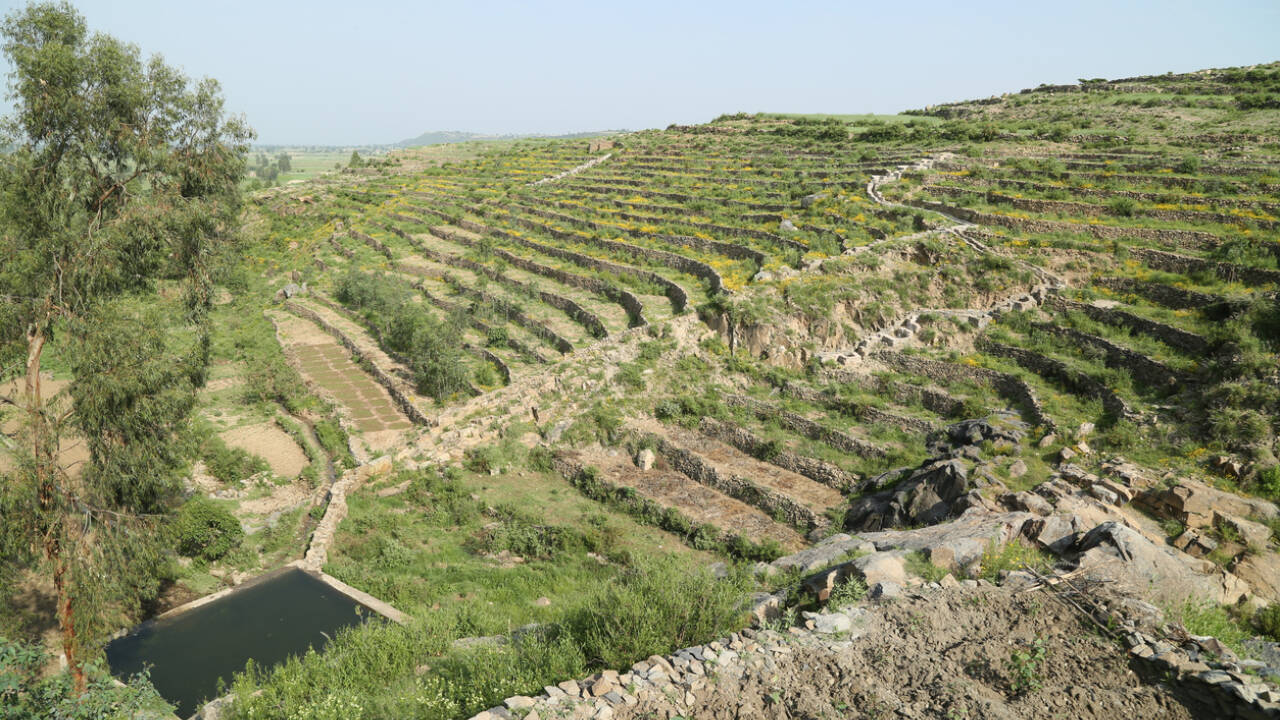
The findings suggest that these isolated vines might be the last remnant of a once thriving tradition of grape-growing
According to researchers, the most likely route was through the flourishing trade networks of the Aksumite Kingdom. Aksum was one of the great commercial powers of the ancient world, with far-flung maritime links across the Red Sea and eastern Mediterranean, importing goods, ideas, and maybe grapevines. The story became more interesting when years later scientists discovered what seems to be the oldest surviving grapevine of Aksum. Genetic testing revealed it had the identical DNA profile as the Rubaksa vine. They also produced seeds that were remarkably close to those of Mavro, an ancient variety of grape that was historically grown in Cyprus and Crete. The findings suggest that these isolated vines might be the last remnant of a once thriving tradition of grape-growing that once stretched across northern Ethiopia. Researchers also believe Orthodox churches and monasteries may have played a role in keeping these vines alive for centuries, protecting them long after formal viticulture faded.
Why these ancient vines matter today
Scientists say they might even help sustain future grape growing sustainably by growing along the stone terrace walls that already define much of Tigray’s farmland. Simultaneously, the discovery underscores the critical contribution of local farming communities to the conservation of agricultural biodiversity. Without generations of families preserving and sharing vine cuttings, this remarkable genetic lineage may have been lost forever.Images Courtesy: istock and Phys Org