Forevermark, the natural diamond jewellery brand owned by De Beers India, has seen its average bill value climb 80 per cent to $4,500 from an anticipated $2,500, even as its India business moves from a diamond-supply model to a consumer-facing retail operation.
The brand is targeting $100 million in revenue and around 100 stores by 2030, after launching its retail identity in September 2025.
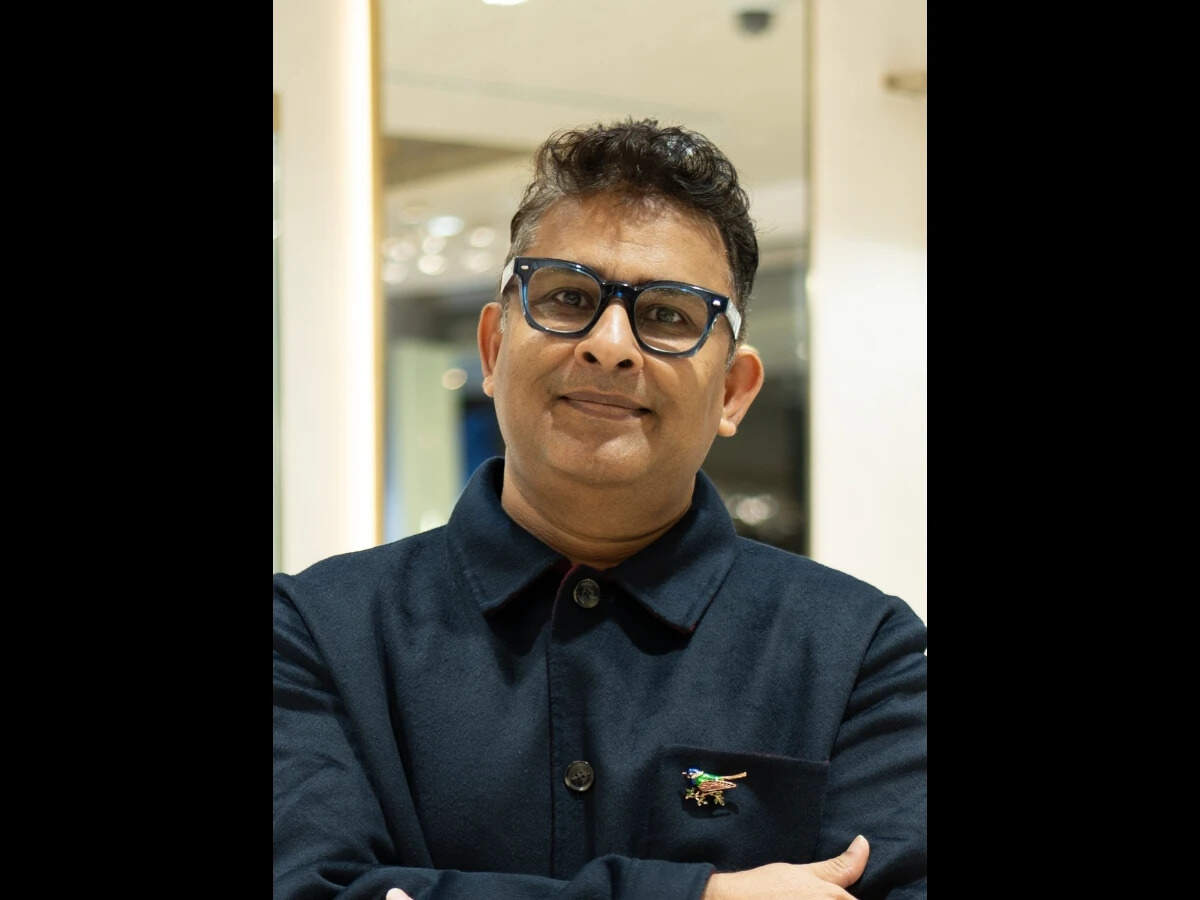
“We are very ambitious, but we work internally with a lot of humility. We want to achieve $100 million in revenue by 2030 with about 100-odd stores,” said Mallikarjuna Reddy Yarabolu, managing director, Forevermark, De Beers India.
The brand expects to close the current financial year with revenue of around $8–8.5 million, or approximately Rs 85 crore, from a retail business that started from zero.
The average bill value increase comes against the backdrop of a growing natural diamond jewellery market. India’s jewellery market is worth around $90 billion, of which natural diamond jewellery accounts for $9.2 billion. While the broader jewellery market is growing at 10.5 per cent, natural diamond jewellery is expanding at 13.5 per cent, according to Yarabolu.
“Today, we are at $4,500,” he said, referring to the average bill value. “That is something which is really encouraging.”
Forevermark currently operates 10 stores and plans to reach 13–15 by the end of December 2026. It aims to establish a presence in around 20 cities over the next three to four years, spanning metros, extended metros and smaller markets. Its existing footprint includes Delhi-NCR, Mumbai, Kolkata, Bengaluru, Mangaluru, Patna and Chandigarh.
Patna has emerged as a notable proof point for the strategy beyond metros. “I don’t see a major difference between the purchasing power parity of Patna and NCR,” Yarabolu said, adding that consumers are responding to the brand’s natural diamond proposition and in-store experience.
The company is also seeing stronger sales momentum from its existing network. Sales at its flagship Khar boutique in Mumbai have grown fivefold since the business began, while revenue increased more than 25 per cent between August and September without adding a new store.
Its store conversion rate stands at 29 per cent, with the company aiming to take it to 40 per cent.
“Anybody who is wanting to purchase is spending nothing less than 45 to 50 minutes” in the store, Yarabolu said, pointing to consumers’ interest in diamond provenance, inscription and the brand’s sourcing journey. Only around 1 per cent of the world’s diamonds qualify for Forevermark, he said.
The retail model is shifting towards franchising as it scales. Of the 10 existing stores, six are company-owned, and four are franchise-operated; the next three stores in the pipeline will all be franchised.
The company wants one-third of its eventual network to be company-owned and two-thirds franchised.
Forevermark is also working to reduce expansion costs. Store capex, which started at around Rs 20,000 per sq ft, has been reduced by nearly 30 per cent without compromising on materials or customer experience. Its two largest boutiques are in Mumbai’s Khar neighbourhood, at around 3,400 sq ft, and South Extension, Delhi, at approximately 2,800 sq ft.
Yarabolu said the company has committed to significant marketing investment in India over the next five to six years, with the country serving as the proving ground for a broader international rollout.
“The journey here, what we have decided in the UK, is India to the world,” he concluded.