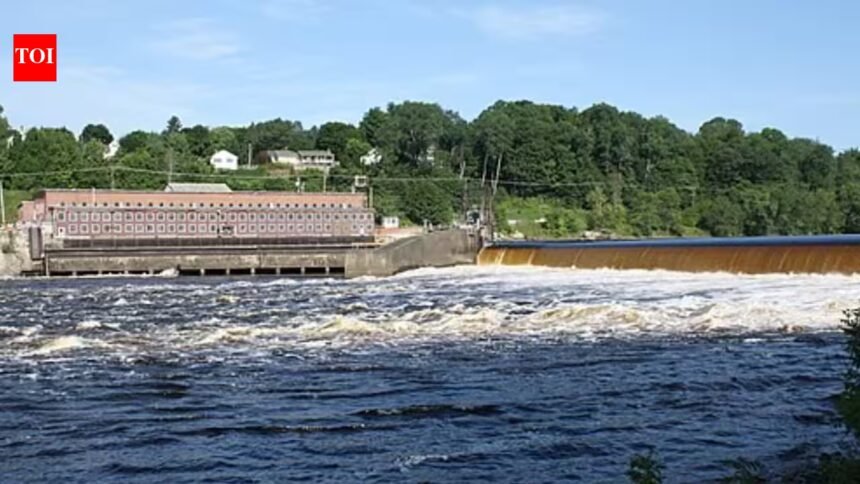
Who knew that a small fish would become the storyteller of one of the biggest wildlife comebacks? Imagine a river where millions of fish try to swim upstream every year, only to find concrete barriers blocking access to stretches of water they have travelled for generations. Now imagine what happens when those barriers are removed, and the river’s long-blocked routes begin to open up again. Something similar has been unfolding along Maine’s Penobscot River in the United States, where a major restoration project has helped migratory fish regain access to parts of the river that were once difficult to reach.In 2012 and 2013, two old dams, the Great Works Dam and the Veazie Dam, were removed as part of the Penobscot River Restoration Project. The effort reopened around 15 kilometres of the river’s main channel, while improvements to fish passage at other dams helped fish continue their journey upstream. By October 12, 2026, Maine’s Department of Marine Resources had recorded a provisional count of 5,852,487 river herring at the Milford fish lift, offering a striking example of the changes that can follow when a river’s natural connections are restored.
How removing two dams changed the river
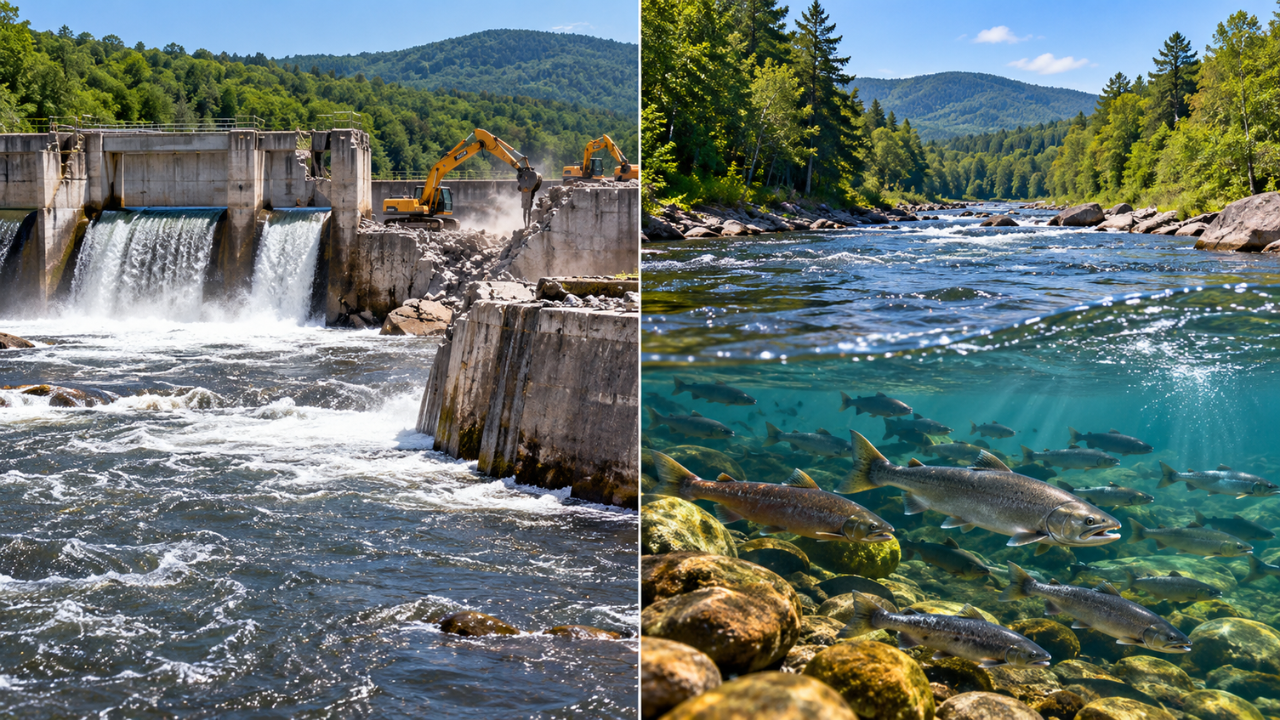
Image AI generated
For decades, dams have played an important role in generating electricity and supporting other human activities, but they can also interrupt the movement of fish between the sea and freshwater habitats where they reproduce. For migratory species, being unable to pass these barriers can mean losing access to important spawning and feeding areas, making it harder for populations to recover.The Penobscot River Restoration Project aimed to address this problem without simply abandoning hydropower altogether. Along with removing the Great Works and Veazie dams, the project included improvements to fish passage at remaining barriers, including a fish lift at Milford Dam, which helps migratory fish move upstream.The changes have been documented in scientific research. A 2023 study published in Marine and Coastal Fisheries, which examined fish communities in the Penobscot River before and after the restoration work, found that the most pronounced changes in fish community composition occurred in sections that had previously been held back by dams. River-dwelling and migratory species became more prevalent in these areas, although the study also noted that different species responded differently to the restoration.
Millions of river herring are making the journey
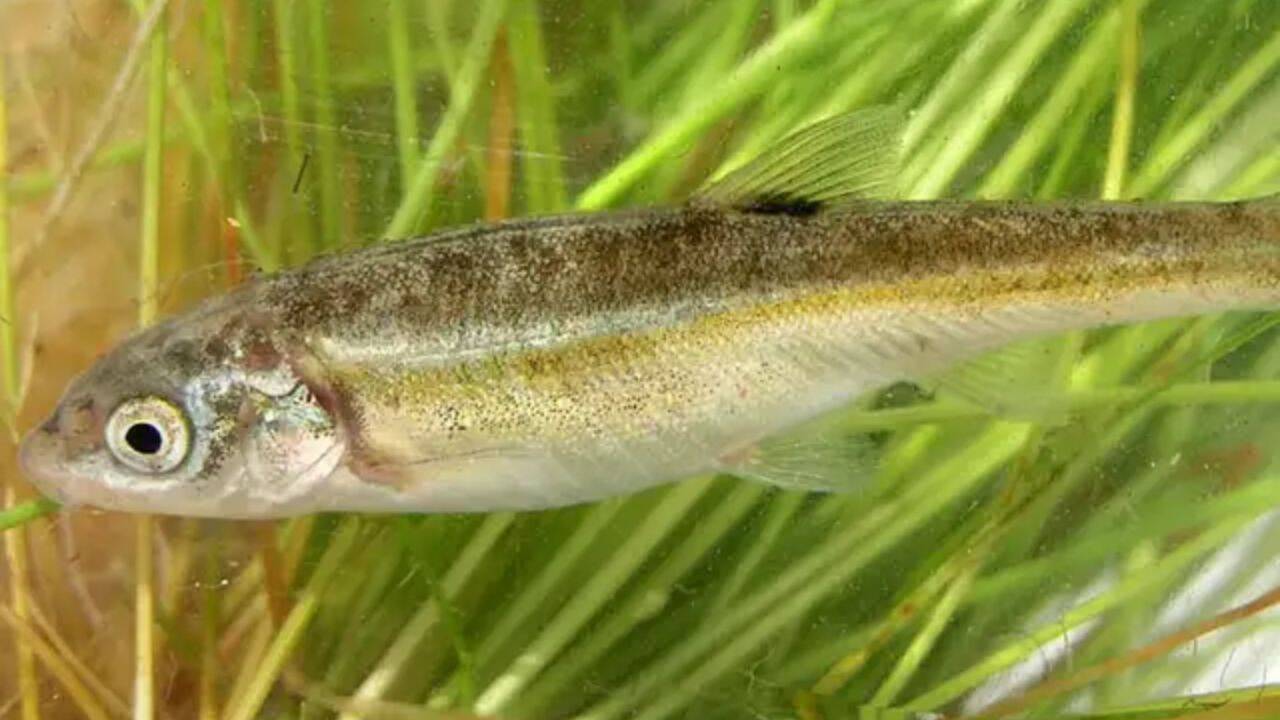
One of the most interesting parts of this recovery is the return of river herring, which includes alewives and blueback herring, two species that travel from the sea into freshwater rivers to reproduce. For these fish, the journey upstream is an essential part of their life cycle, but dams can make it difficult to reach the waterways they depend on. The difference in the Penobscot River has been striking, with a 2023 study finding that annual river herring counts averaged just 556 fish between 1978 and 2012, when access to the river was still heavily restricted by dams.Following the restoration work, however, the numbers began to rise, crossing 180,000 in 2014 and reaching around 2.3 million by 2018. The recovery has continued since then, with Maine’s Department of Marine Resources recording a provisional count of 5,852,487 river herring at the Milford fish lift by October 12, 2026. It is a remarkable change from the earlier counts, showing how reopening migratory routes and improving fish passage can help large numbers of fish return to stretches of a river that were once difficult to reach.
Why restoring a river matters beyond fish numbers
The return of migratory fish is important because rivers are not isolated waterways; they are connected ecosystems in which fish movements link freshwater habitats with the sea. Migratory fish can also contribute to food webs, providing food for other animals and helping move nutrients between aquatic environments.However, the recovery of one group of fish does not automatically mean that an entire river ecosystem has returned to its original condition. The Penobscot research found different patterns among different species, and Atlantic salmon and they for instance have continued to occur in comparatively low numbers following the restoration work.Still, the project offers a useful lesson in river conservation: restoring the movement of water and wildlife can make a measurable difference, even in ecosystems that have been shaped by human infrastructure for generations. Sometimes, helping nature recover does not mean building something new, but removing an obstacle that has stood in its way for years.