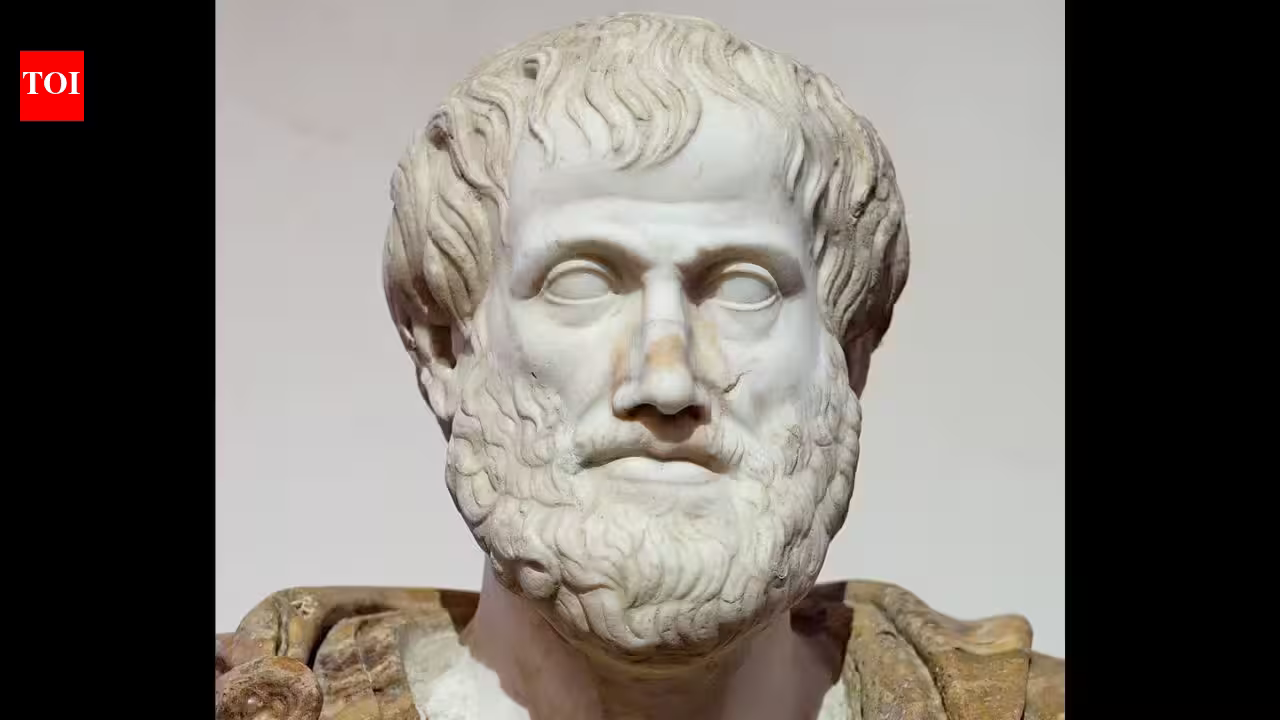
The pursuit of pleasure is often treated as one of life’s simplest goals, but Aristotle offered a more measured view of what it means to live wisely. In his Nicomachean Ethics, Aristotle wrote: “The man of practical wisdom aims at avoiding pain, not at attaining pleasure.” The statement appears in his discussion of pleasure, pain and self-control, where he considers whether pleasure should be treated as the highest good. Aristotle’s argument suggests that practical wisdom is not simply about seeking whatever feels good in the moment. Instead, it involves understanding which desires are worth following and recognising when the pursuit of pleasure can ultimately create greater difficulties. His words remain relevant because modern life constantly encourages people to seek comfort, entertainment and immediate satisfaction. The quote offers a reminder that wisdom can sometimes mean choosing what prevents unnecessary pain rather than constantly pursuing what feels pleasurable.
Quote of the day by Aristotle: What did Aristotle mean by the quote?
Aristotle’s statement centres on the difference between practical wisdom and the pursuit of immediate pleasure. In Nicomachean Ethics, he discusses the way people respond to pleasure and pain and examines the behaviour of those who lack self-control. His point is not that all pleasure is bad or that a wise person should live without enjoyment. Instead, Aristotle distinguishes between pleasures that are beneficial and excessive or misguided pleasures that can lead to problems. The practically wise person therefore does not make pleasure the sole objective. Such a person understands that avoiding unnecessary pain can be more important than chasing temporary enjoyment.The idea becomes clearer when considered alongside Aristotle’s broader discussion of self-control. He argues that people can become overly driven by pleasurable things and that this pursuit can itself produce pain. Someone who constantly seeks immediate gratification may eventually face consequences that outweigh the original pleasure. Practical wisdom therefore requires judgement. It means considering where a particular choice will lead rather than evaluating it only by how enjoyable it feels in the present. Aristotle’s message is ultimately about moderation, foresight and the ability to place short-term desires within the context of a larger and more balanced life.
Why avoiding unnecessary pain can be a form of wisdom
People often associate wisdom with achieving more, gaining more or experiencing more pleasure. Aristotle’s observation presents another way of looking at it. Sometimes the wiser decision is the one that prevents avoidable problems from developing in the first place. A person may choose discipline over excess, restraint over impulse or preparation over convenience because these choices can reduce difficulties later. This does not mean avoiding every challenge. Some difficulties are necessary for growth, and Aristotle’s wider philosophy places considerable importance on developing good character through practice and habit. The point is to distinguish between worthwhile difficulty and unnecessary suffering. Practical wisdom helps a person recognise that difference and make choices accordingly.This idea remains relevant in everyday decisions. Eating or spending excessively may provide immediate pleasure but create problems later. Avoiding difficult responsibilities may feel comfortable in the moment but increase stress over time. Similarly, constantly choosing entertainment over meaningful work can offer short-term satisfaction while making long-term goals harder to achieve. Aristotle’s argument encourages people to look beyond the immediate emotional reward and consider the consequences of their choices.
Why chasing pleasure does not always lead to happiness
Aristotle’s discussion is particularly interesting because he does not simply argue that pleasure is worthless. In Nicomachean Ethics, he examines different arguments about pleasure and ultimately treats pleasure as having an important place in human life. His concern is with the assumption that every pleasurable experience should automatically be pursued. Some pleasures can be excessive, harmful or connected to desires that undermine self-control.This distinction is important in a world where instant gratification is increasingly accessible. Entertainment, shopping, food, social media and other forms of stimulation can provide immediate rewards with very little effort. Yet the fact that something is enjoyable does not necessarily mean that pursuing more of it will improve a person’s life. Aristotle’s idea encourages a more deliberate approach. Instead of asking only whether something feels good, a person can also ask whether it is good for them, whether it supports their goals and whether the consequences are worth the temporary pleasure.
Aristotle and the importance of practical wisdom
Practical wisdom, or phronesis, occupies an important place in Aristotle’s ethical philosophy. It concerns the ability to deliberate well about how to act in particular circumstances. Rather than relying on simple rules, practical wisdom involves judging what is appropriate in a given situation and choosing actions that contribute to a good life. Aristotle’s discussion of pleasure and pain forms part of this wider examination of human behaviour, virtue and self-control.The quote therefore should not be interpreted as a simple instruction to avoid discomfort at all costs. A wise person may willingly accept temporary pain or difficulty when it serves a worthwhile purpose. Studying can be difficult, exercise can be uncomfortable and achieving an important goal can require sacrifice. The wisdom lies in understanding which difficulties are meaningful and which forms of pain are simply the consequences of poor choices. Aristotle’s approach asks people to think beyond immediate feelings and consider the broader consequences of their actions.
The timeless lesson
Aristotle’s words ultimately encourage a more thoughtful relationship with pleasure and pain. A good life is not necessarily one in which every moment is comfortable or every desire is satisfied. Wisdom involves knowing when to pursue something, when to exercise restraint and when avoiding a particular choice can save us from greater difficulties later. The quote reminds us that self-control is not about rejecting pleasure but about refusing to let pleasure control our decisions. In a culture increasingly focused on instant gratification, Aristotle’s ancient observation offers a simple but powerful lesson: sometimes the wisest choice is not the one that promises the greatest pleasure, but the one that prevents unnecessary pain and helps us live with greater balance and judgement.