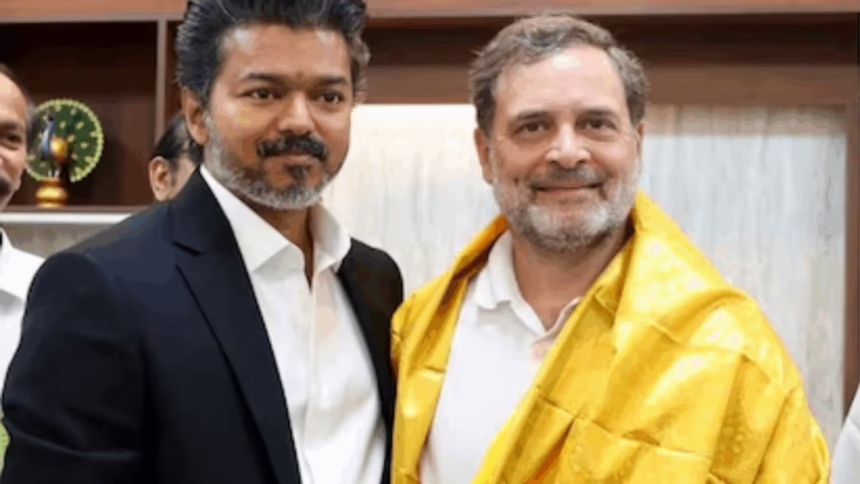
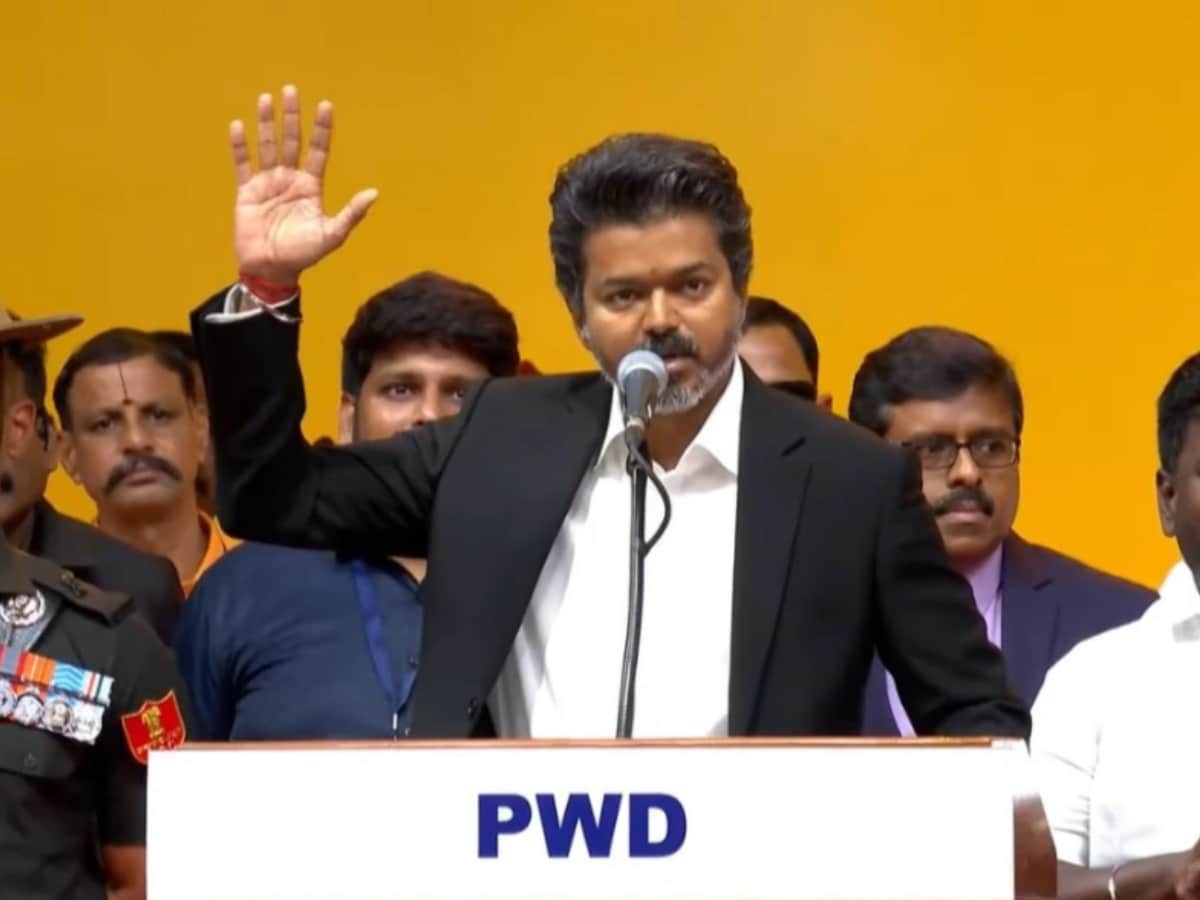
For the first time since 1967, Indian National Congress has secured a place in the Tamil Nadu cabinet, marking a major political shift in a state long dominated by single-party rule. The development comes after the recent assembly elections produced a hung verdict, forcing parties to come together to form a coalition government under the leadership of Tamilaga Vettri Kazhagam (TVK).
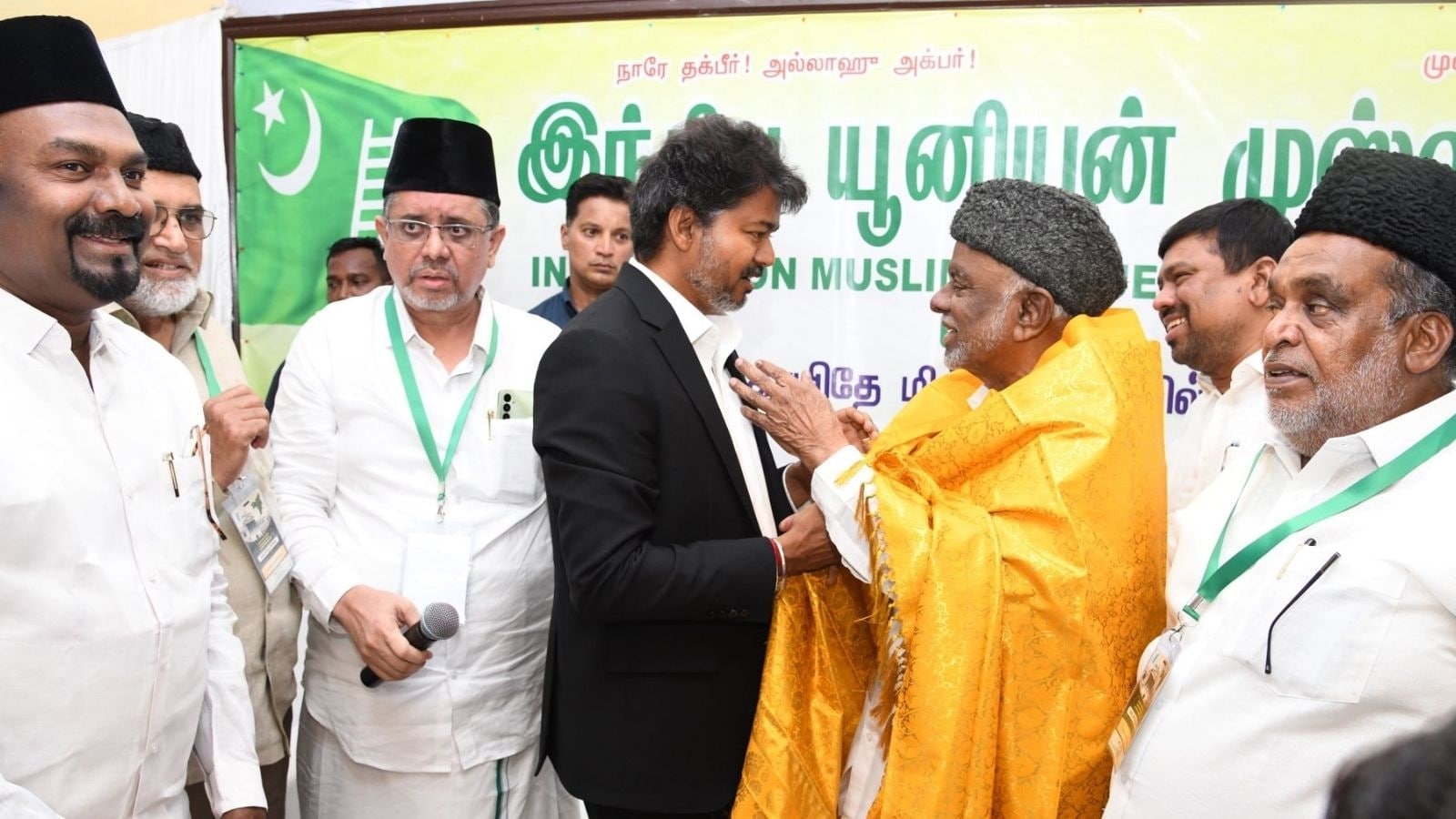
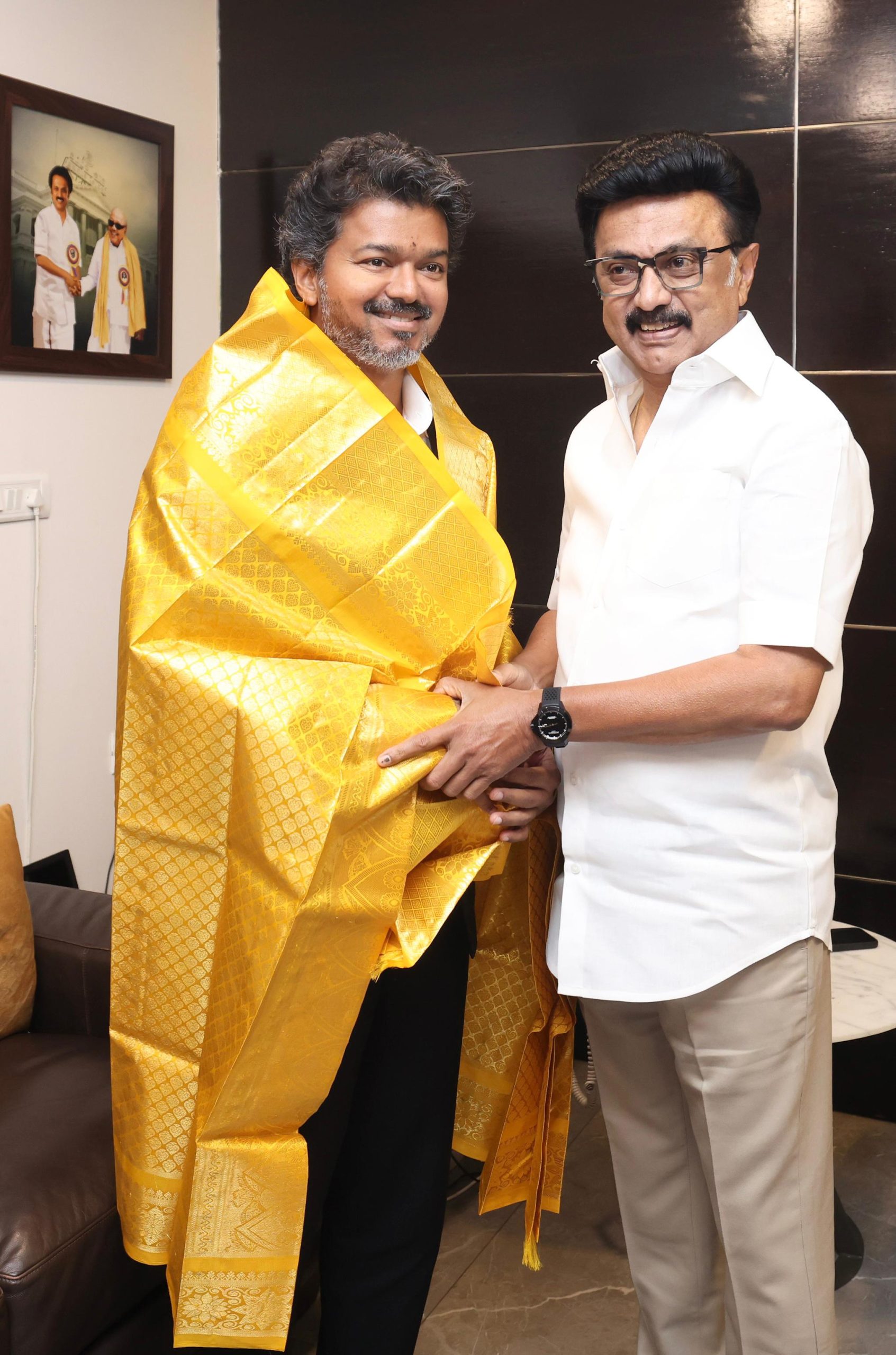
With support from Congress, Left parties, Viduthalai Chiruthaigal Katchi (VCK) and Indian Union Muslim League (IUML), TVK managed to form the government led by Vijay. The coalition has now opened the doors for Congress to directly participate in governance in Tamil Nadu after nearly six decades.
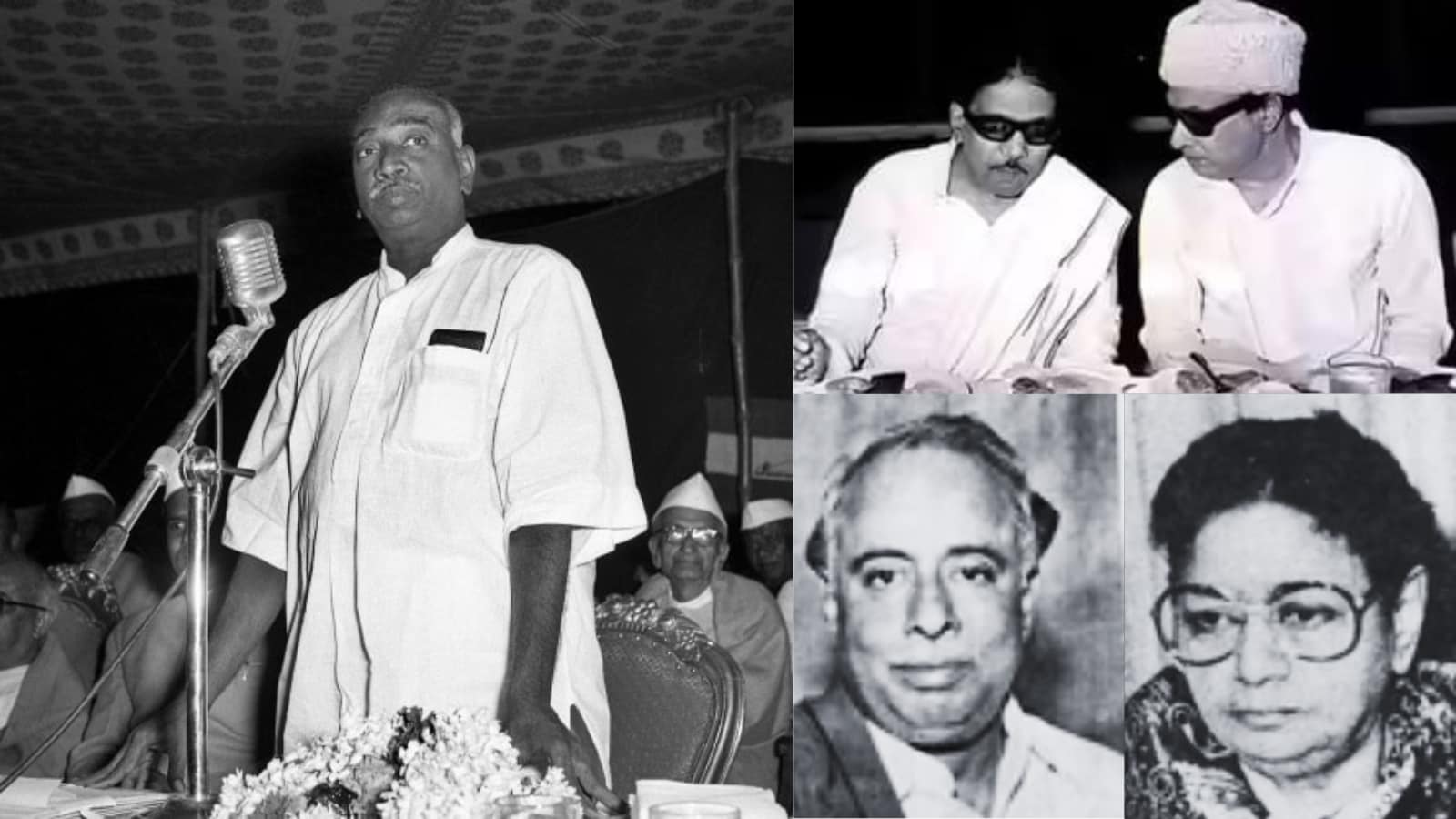
Tamil Nadu’s political history has largely revolved around governments formed with clear majorities rather than coalition arrangements. For decades, either the ruling party won enough seats independently or smaller parties extended support after elections without formally becoming part of the government. As a result, the state rarely experienced the kind of coalition politics seen in several northern and western Indian states.
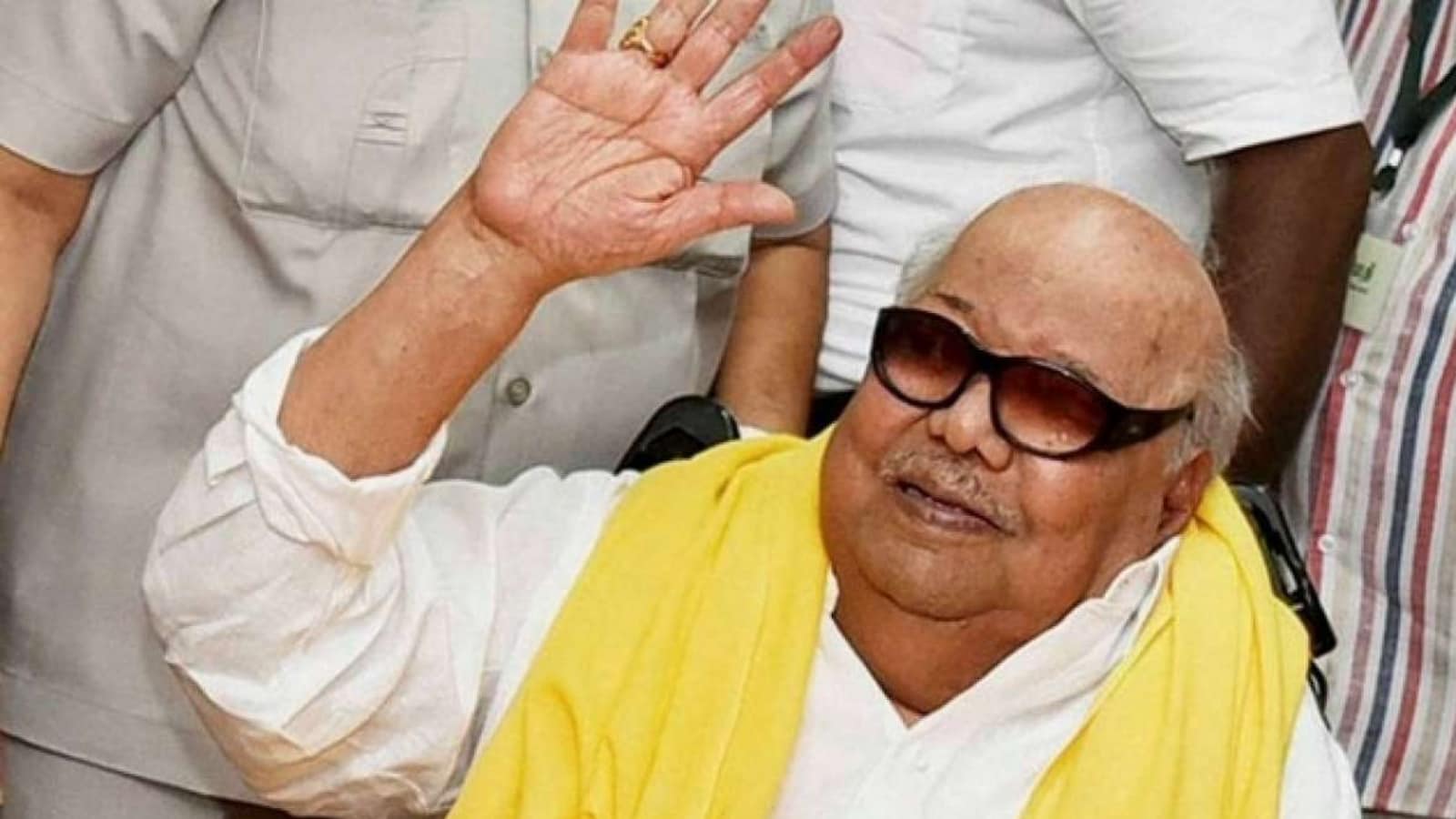
Since 1977 in particular, Tamil Nadu politics has been dominated by the two major Dravidian parties — Dravida Munnetra Kazhagam (DMK) and All India Anna Dravida Munnetra Kazhagam (AIADMK). Although both parties regularly built electoral alliances, they traditionally formed governments using their own legislative strength and seldom offered cabinet positions to alliance partners.
Tamil Nadu’s First Hung Assembly Came In 1952: The possibility of coalition politics first emerged in Tamil Nadu during the state’s earliest elections after Independence. In the 1952 assembly election, held when the Madras State assembly had 375 seats, no party secured the required majority mark of 188. Congress emerged as the single-largest party with 152 seats, leading to a hung assembly. To retain power, Congress received support from smaller parties. The Commonweal Party led by Manickavelar later merged with Congress, following which Manickavelar was inducted into C Rajagopalachari’s cabinet.
Later, under K Kamaraj, the Labour Party also joined Congress, and its leader Ramasamiar was accommodated in the cabinet. However, these arrangements were not widely viewed as formal coalition governments because Congress remained the dominant ruling force while other parties merged or extended support mainly for political participation.
The 2006 Election Nearly Created A Coalition Government: Tamil Nadu came close to witnessing coalition governance again after the 2006 assembly elections. In that election, DMK won only 96 seats on its own. Its allies performed strongly, with Congress securing 34 seats, PMK winning 18 seats, the Communist Party of India (Marxist) obtaining 9 seats and the Communist Party of India winning 6 seats. Together, the alliance crossed the majority mark with 163 seats, allowing DMK to form the government.
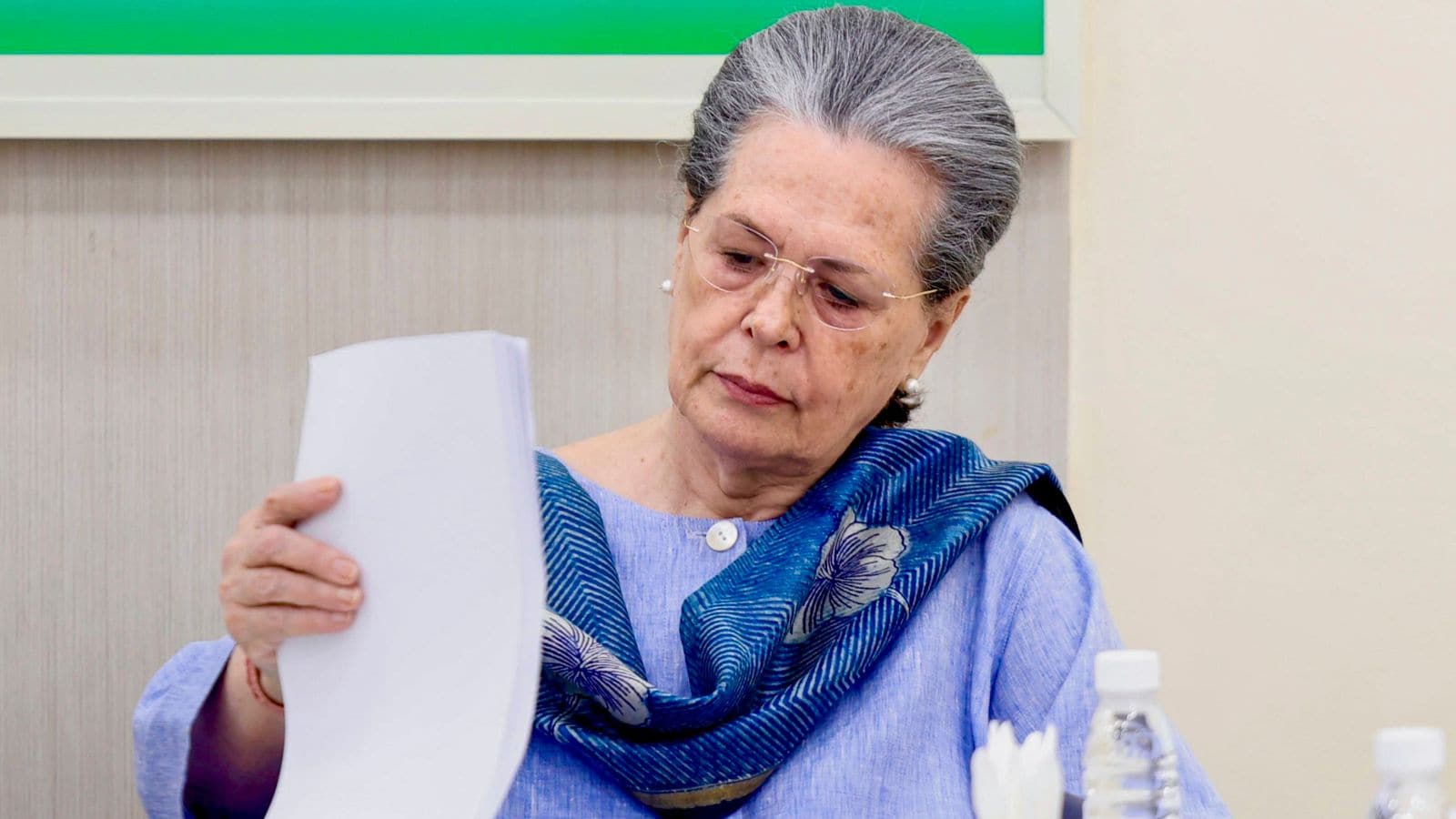
At the time, many expected Tamil Nadu to finally see a formal coalition cabinet. However, then Congress president Sonia Gandhi announced that Congress would not join the state cabinet. PMK and Left parties also chose to support the government from outside instead of seeking ministerial roles. As a result, the opportunity for coalition governance slipped away once again.
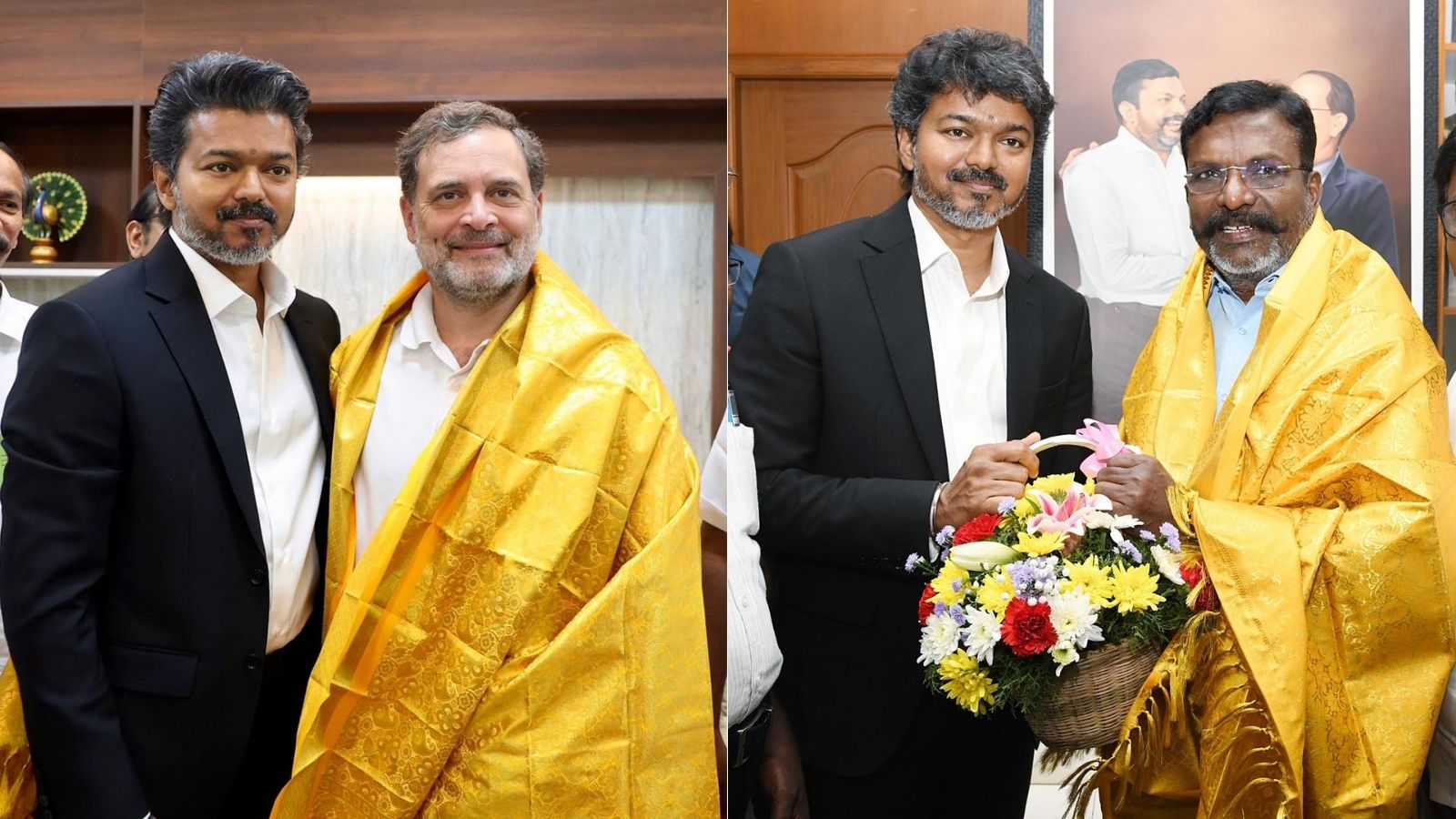
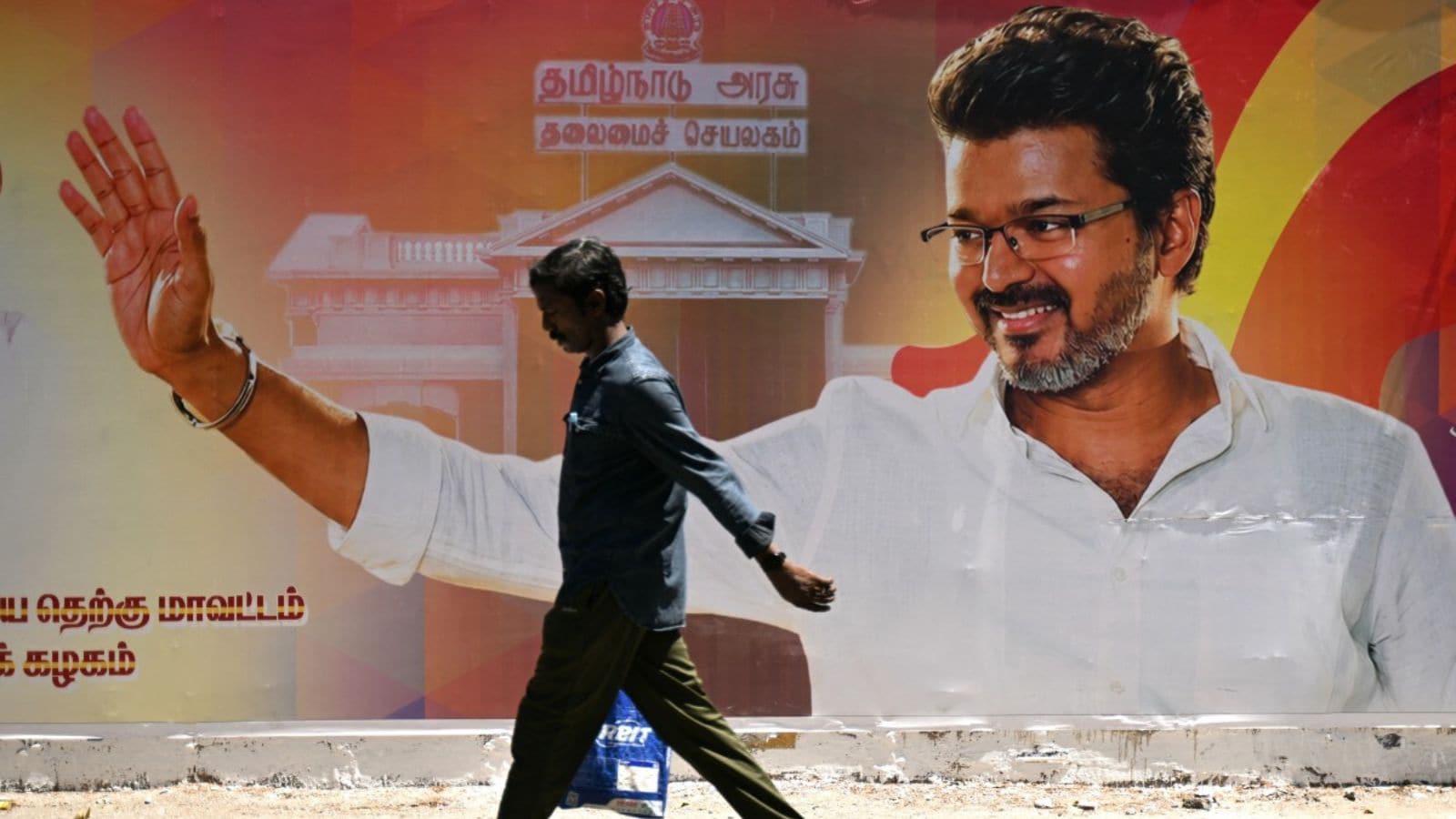
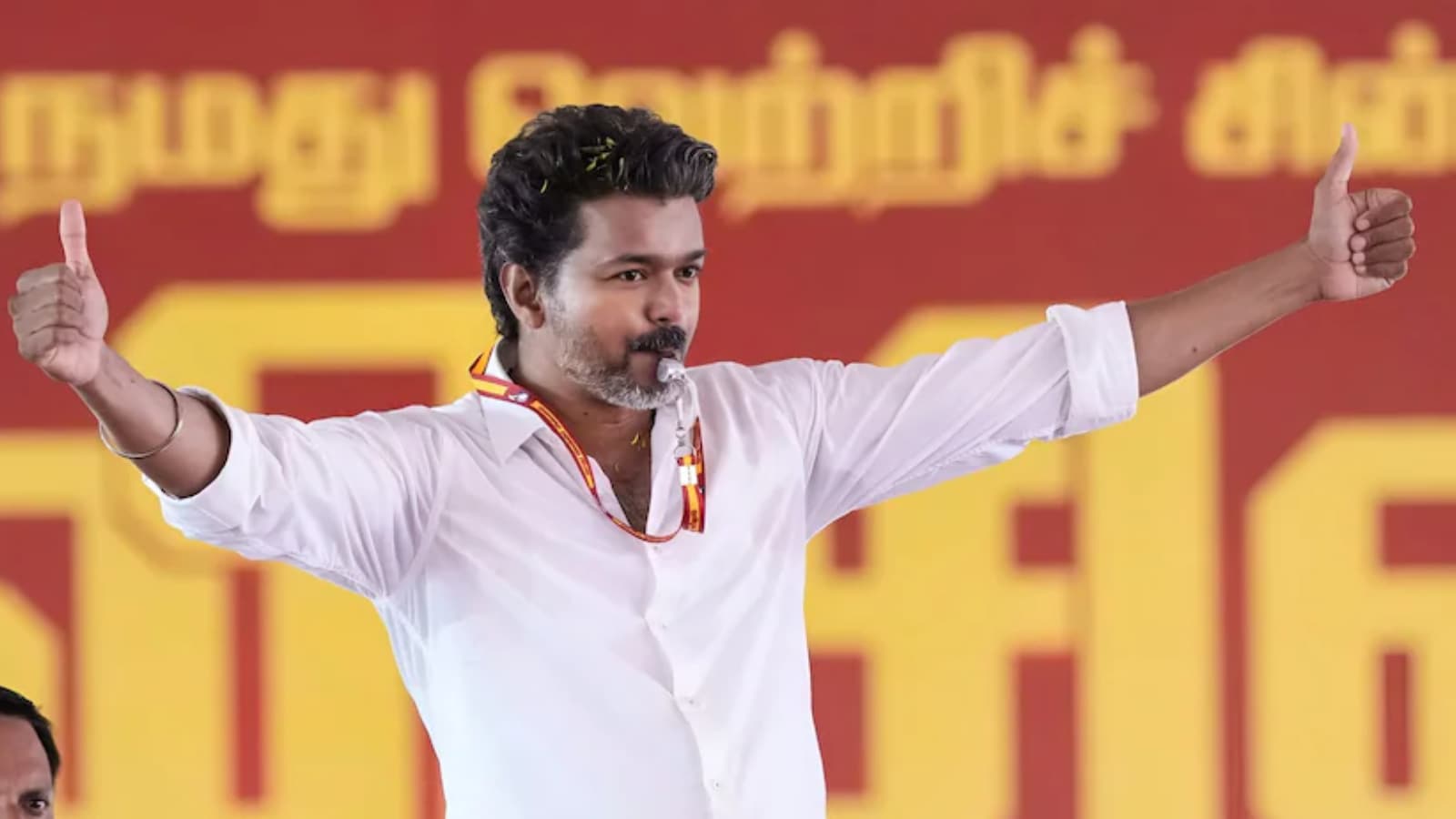
TVK’s Rise Breaks Decades Of Two-Party Dominance: The latest election outcome has significantly altered Tamil Nadu’s political landscape. With no single party able to independently form the government, TVK emerged as the centrepiece of a coalition arrangement backed by Congress, Left parties, VCK and IUML. Political observers say the rise of TVK has disrupted the decades-long dominance of DMK and AIADMK, effectively shifting Tamil Nadu towards a three-party political structure. The inclusion of Congress in the cabinet is being viewed as one of the most symbolic changes in this transition, especially given the party’s long absence from direct governance in the state since 1967.
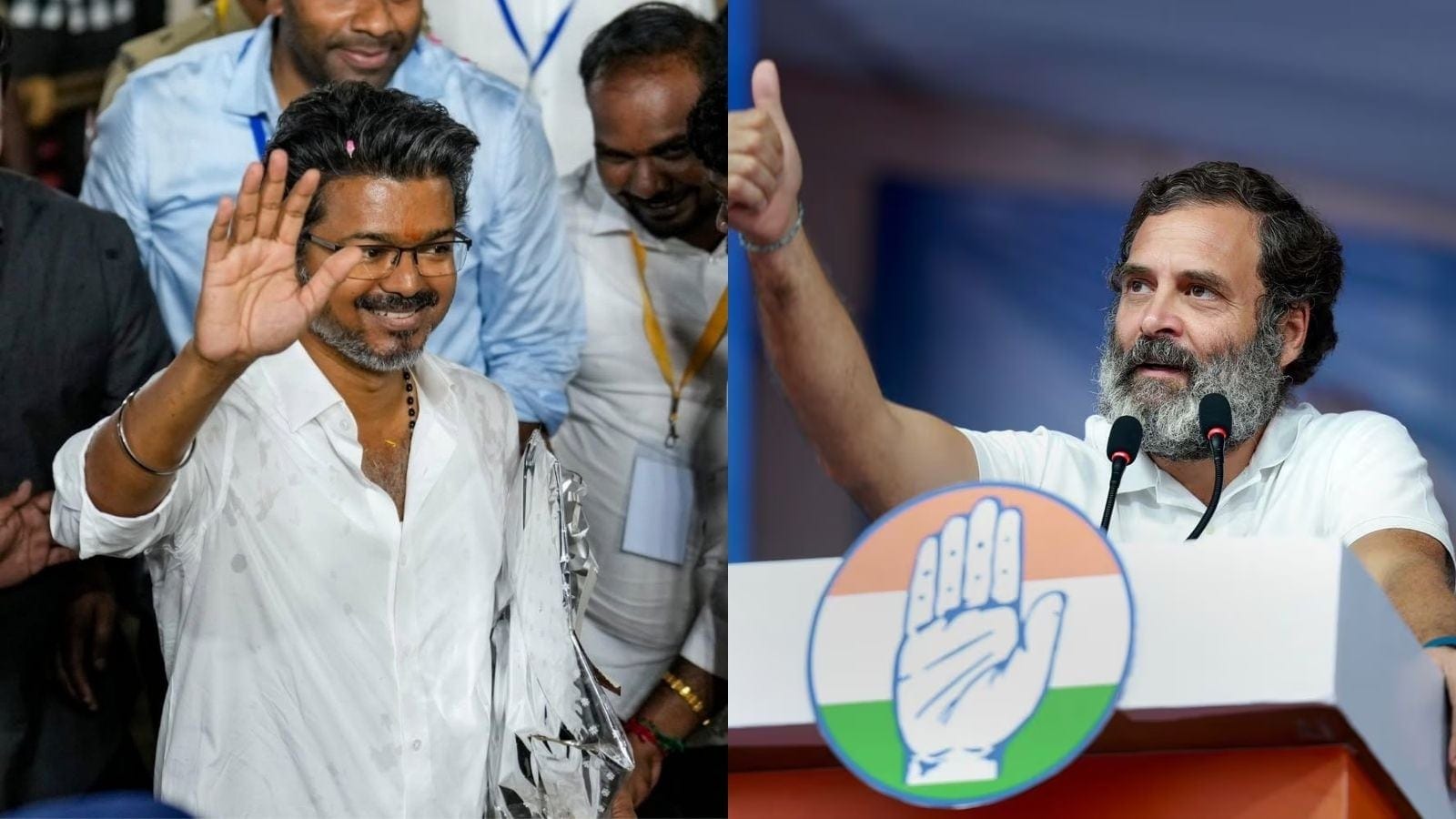
A New Era Of Coalition Politics? The formation of the coalition government under TVK is also being seen as the beginning of a new political culture in Tamil Nadu, one centred around power-sharing rather than single-party dominance. For decades, alliances in the state largely functioned only as electoral arrangements. Now, for the first time in many years, alliance partners are directly participating in governance and cabinet decision-making.
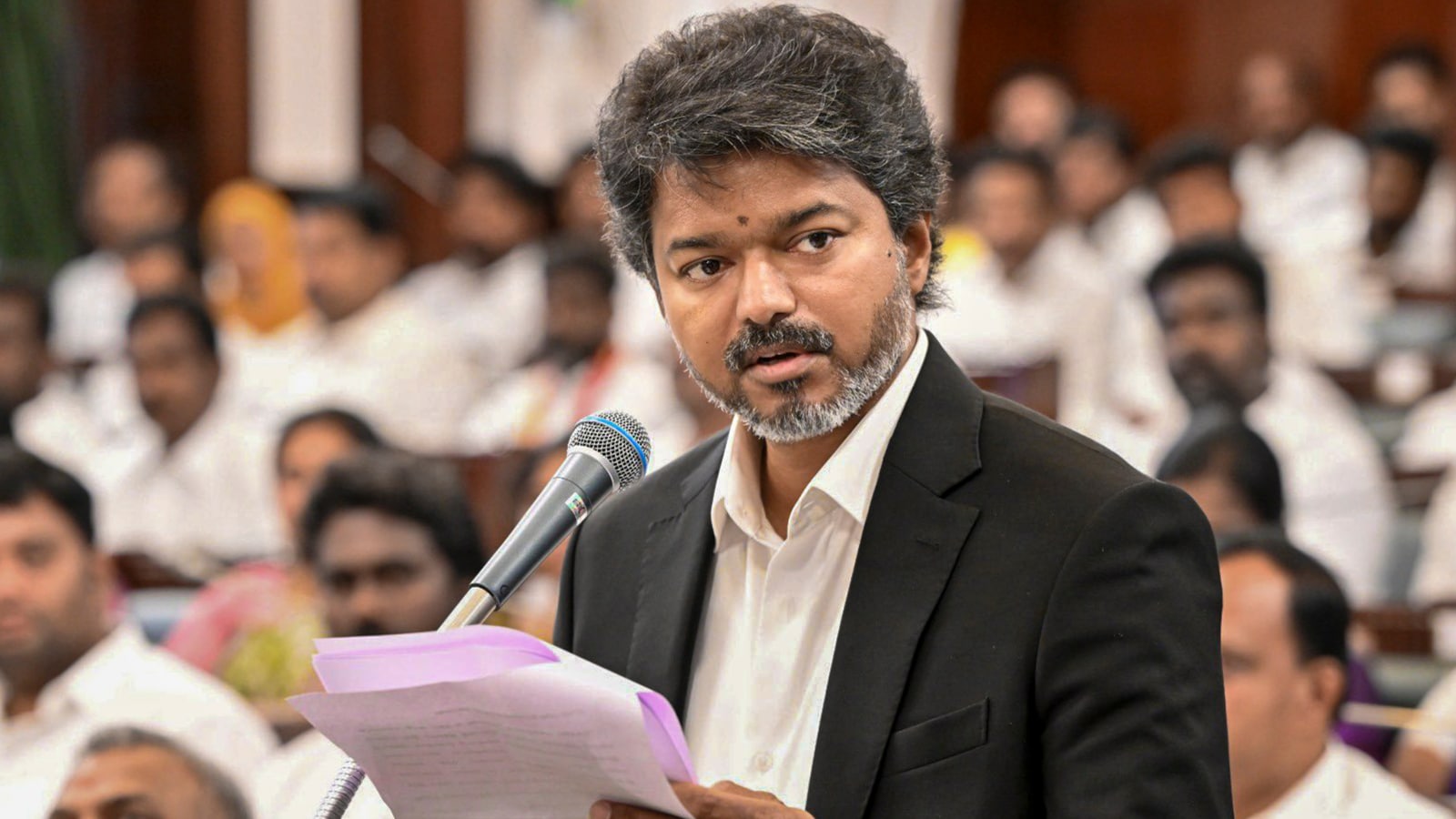
Analysts believe this could reshape Tamil Nadu politics in the coming years, especially if coalition governance becomes a stable and accepted model in the state.