The Argentine ant (Linepithema humile) has created one of the most remarkable biological phenomena ever recorded: a super-colony stretching around 6,000 kilometres along the Mediterranean and Atlantic coasts of Portugal, Spain, France and Italy. According to a study published in the Proceedings of the National Academy of Sciences (PNAS), these ants, which originated in South America, have formed the largest known cooperative unit in the animal kingdom.Unlike most ant species, which aggressively defend their territory against neighbouring colonies, Argentine ants in Europe display a rare social behaviour called unicoloniality. This allows billions of ants living in millions of nests to recognise one another as allies instead of rivals. The result is an enormous interconnected network that functions like a single underground city spanning thousands of kilometres, according to BBC Wildlife.
What makes the Argentine ant super-colony so large
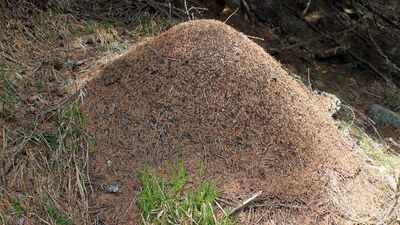
Most people are familiar with the small mounds built by native ants, but the Argentine ant’s underground network is on an entirely different scale. Even the impressive nests of Central America’s leafcutter ants, which can grow as large as a tennis court, are tiny compared with this vast interconnected system.The super-colony stretches along Europe’s coastline, where mild Mediterranean winters and dry summers create favourable conditions for constant nest expansion. Over time, the ants have established millions of interconnected nests beneath towns, farmland and coastal landscapes. According to BBC Wildlife, billions of “happily cooperating sisters” work together across this 6,000-kilometre network, making it one of the largest known animal societies on Earth.
How does this super-colony function without conflict
The most unusual feature of the Argentine ant super-colony is the absence of fighting between ants from different nests. While colonies in their native South American range compete aggressively with one another, the European populations behave very differently.Researchers believe this cooperation is possible because the European population originated from a relatively small number of ants introduced from South America. As a result, the ants share very similar genetics and chemical signatures. Each ant carries wax-like compounds on its outer body, known as cuticular hydrocarbons, which act like an identification system. Because these chemical signals are so similar, ants from different nests recognise one another as members of the same colony instead of enemies. This allows workers to move freely between nests hundreds of kilometres apart without triggering territorial battles.
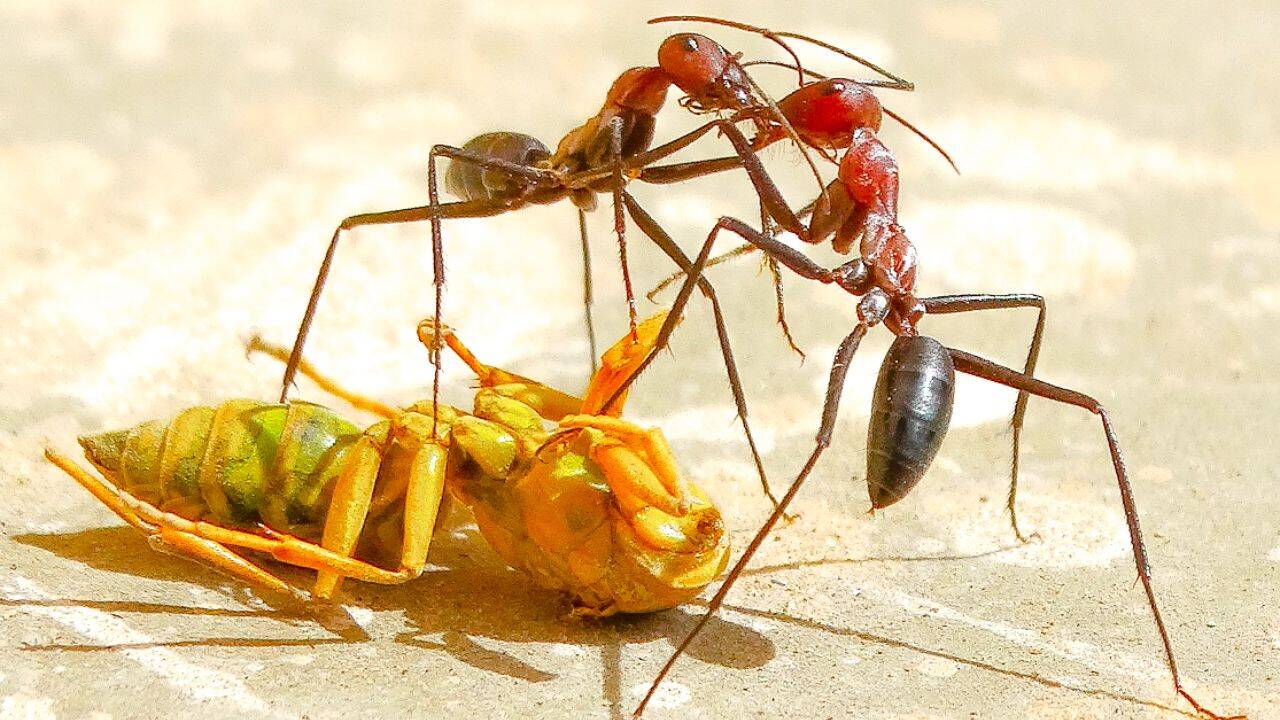
Two ants fighting over a dead wasp. Image Credit: Kashif iqbal naul/Wikipedia
Why have Argentine ants spread so successfully across Europe
The spread of Argentine ants is closely linked to global trade and human activity. During the 19th and 20th centuries, shipping routes accidentally transported the ants from South America to ports around the Mediterranean. From there, they gradually expanded along the European coastline.Their spread continues today because colonies are easily transported in soil, nursery plants and construction materials. Human-made environments also provide ideal living conditions. Heated buildings, irrigated parks and a steady supply of food waste help the ants establish new colonies and expand existing ones. Combined with their ability to cooperate across vast distances, these favourable conditions have enabled them to build one of the world’s largest super-colonies.
What is life like inside these massive colonies
Life inside the super-colony revolves around cooperation and rapid growth. Unlike many other ant species, a single nest can contain dozens of queens laying eggs at the same time. Each queen may live for several years and produce thousands of offspring annually, ensuring a constant supply of workers.Resources are also shared throughout the network. Workers regularly move food, larvae and other resources between nests using underground tunnels and natural cracks in the soil. If one area has abundant food, such as honeydew produced by sap-sucking insects, it can support neighbouring nests with fewer resources. This efficient sharing system helps the colony recover quickly from disturbances and maintain its dominance across an enormous area.
How do these colonies affect the local environment
The arrival of Argentine ants has had a significant impact on native ecosystems. They compete aggressively with local ant species for food, nesting sites and territory, often forcing native ants to disappear from invaded areas.The loss of native ants can disrupt ecosystems because many plants rely on them to disperse seeds. Argentine ants also create problems for agriculture. They protect aphids and other sap-sucking insects because these pests produce honeydew, a sugary liquid that serves as food for the ants. By defending these insects from predators, Argentine ants allow pest populations to grow, increasing crop damage in orchards and vineyards while making pest control more difficult.
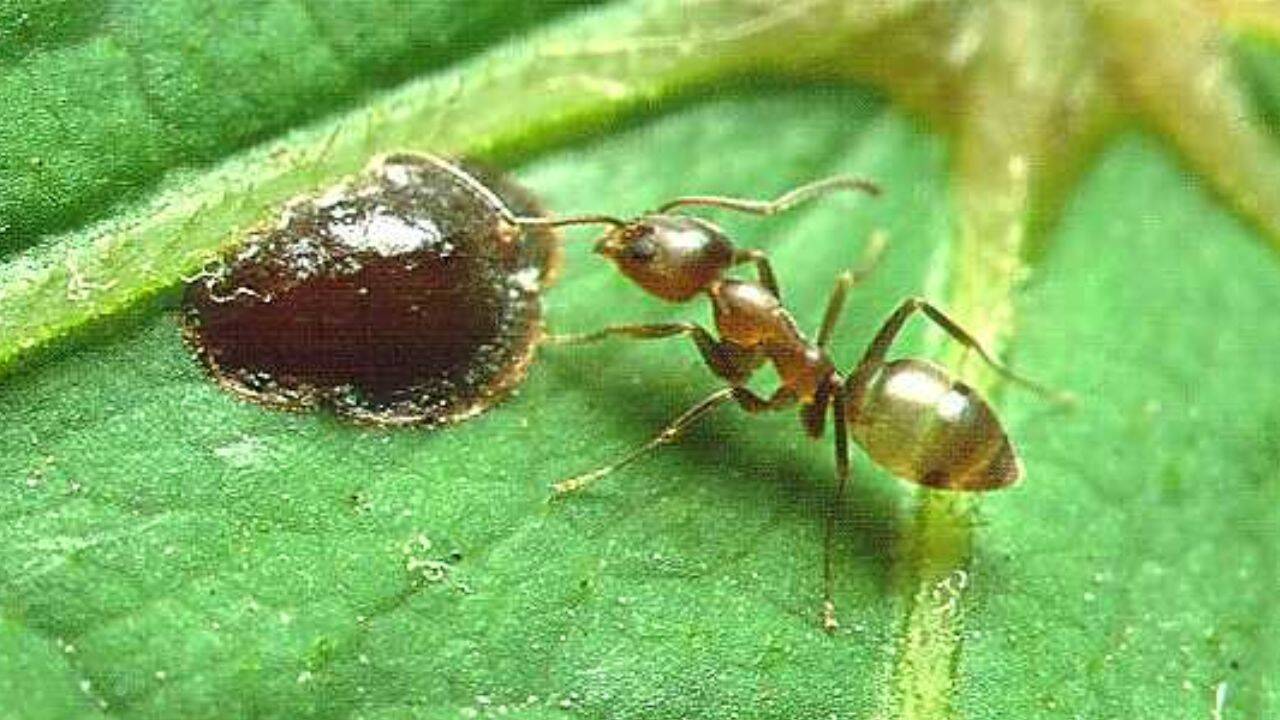
Linepithema humile, Argentine ant. Image Credit: Penarc/Wikipedia
Can these massive colonies be controlled
Controlling a super-colony that stretches across four countries is extremely difficult. Conventional methods, such as treating individual nests with insecticides, rarely succeed because workers from neighbouring nests quickly recolonise treated areas once the chemicals lose their effect.Instead of attempting complete eradication, conservation experts focus on preventing the ants from spreading further. Monitoring the movement of soil, plants and other materials that may contain hidden colonies remains one of the most effective ways to slow their expansion. The Argentine ant super-colony continues to demonstrate how cooperation, favourable environmental conditions and human activity can allow a single invasive species to dominate an entire region.